DbcultAccessing Vault...
Cult Review
Senior Film Conservator
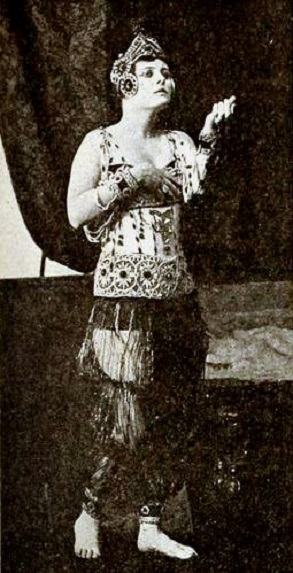
In the annals of early cinema, where narratives often hinged on grand gestures and profound emotional stakes, 'Alma, Where Do You Live?' emerges as a compelling exemplar of the era's dramatic sensibilities. It's a film that, even viewed through the lens of history, resonates with timeless themes of love's intoxicating power, the corrosive nature of jealousy, and the redemptive potential of truth. The story, penned by Paul Harve, is a meticulously constructed edifice of romance, intrigue, and self-discovery, inviting audiences into a world where artistic passion collides with the cold calculations of inheritance, and personal loyalties are tested against the backdrop of an impending conflict.
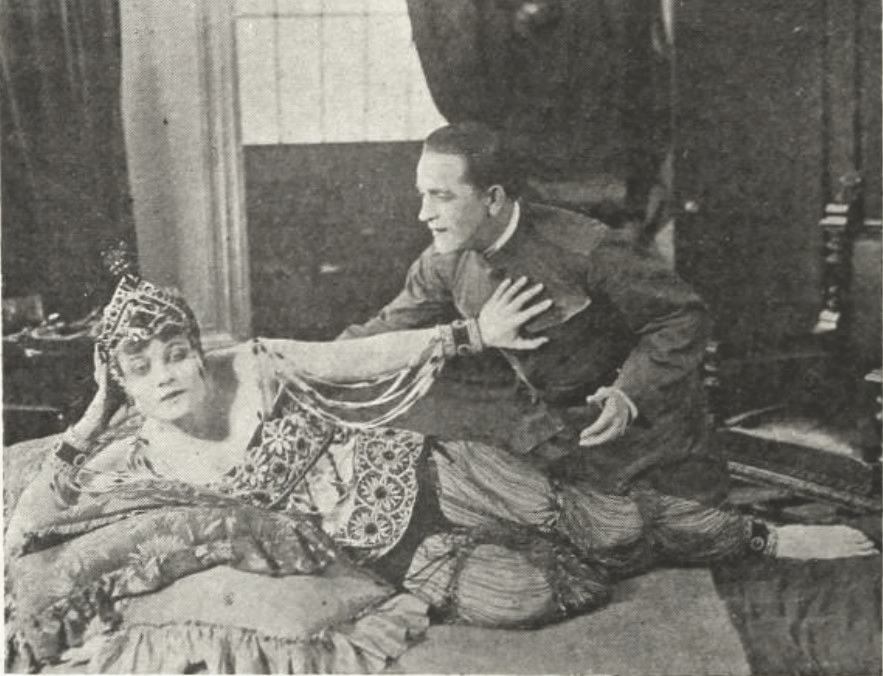
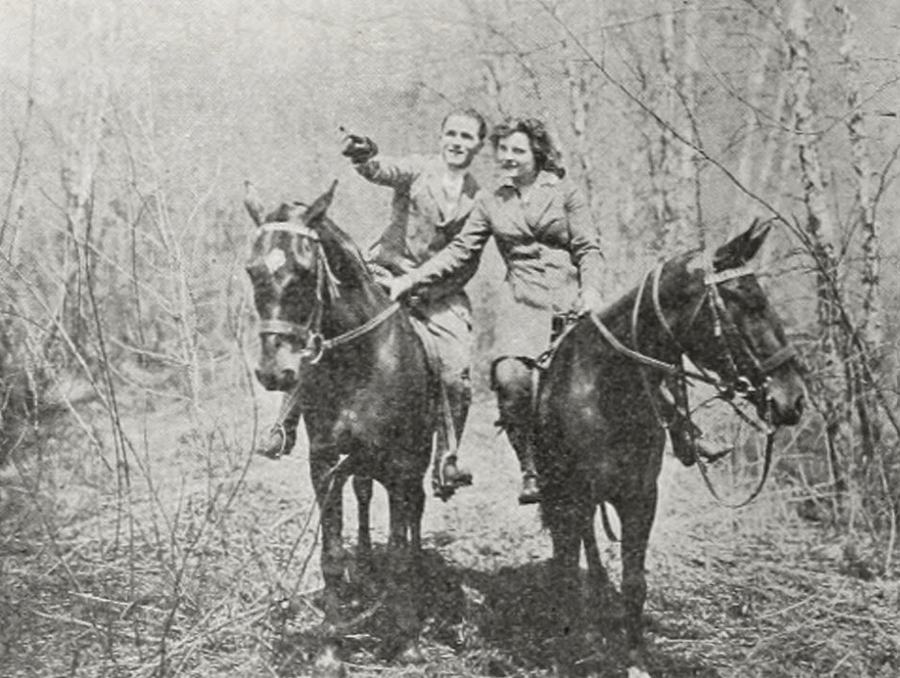
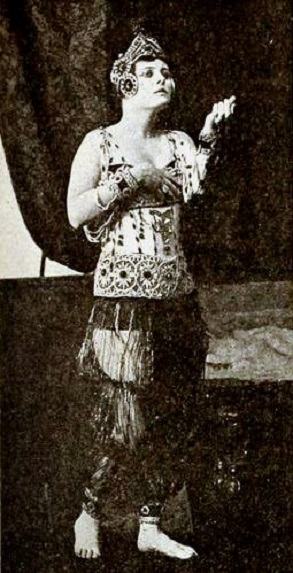
The film's genesis lies in the serendipitous meeting of its protagonists: Alma, an actress whose theatrical flair imbues her with both grace and a capacity for performance, and Gaston Duval, an artist whose vision captures the essence of beauty. Their initial encounter, amidst the picturesque setting of horseback riding, sparks an immediate and undeniable connection. It's a classic cinematic trope, yet rendered here with a sense of genuine, almost fated, intensity. Gaston, moved by Alma's captivating presence, embarks on painting her portrait, an artistic endeavor that becomes a profound symbol of their burgeoning love. The choice of an Egyptian costume for Alma in this portrait is particularly evocative, hinting at an exotic allure, a timeless mystique that Alma embodies both on canvas and on stage, as she wears the very same attire for her leading role. This intertwining of art, life, and love establishes a foundational layer of romantic idealism, portraying a relationship built on mutual admiration and shared creative spirit. It's a bond that feels both fragile and formidable, destined to be tested by the harsh realities that soon encroach upon their idyllic world. One might draw parallels here to the intricate emotional landscapes explored in films like The Spirit of the Poppy, where artistic expression often intertwines with personal yearning, or even the grand romantic gestures found in Hearts of Oak, albeit with a different set of dramatic circumstances.
The tranquility of Alma and Gaston's romance is shattered by the introduction of a cunning subplot, a narrative device that injects a potent dose of suspense and moral ambiguity into the film. Anatole Peach, a character whose naiveté is his most defining trait, stands to inherit a colossal sum – one million dollars – contingent upon a rather peculiar stipulation: he must remain unattached, both romantically and maritally, until his twenty-first birthday. Should he fail, the fortune is bequeathed to Theobold Martin, a character whose villainy is immediately apparent through his Machiavellian maneuvering. Martin, recognizing Alma's captivating charm and her profession's inherent capacity for illusion, enlists her in a scheme to deliberately tempt Peach into proposing. This is where the film truly begins to explore the moral complexities of its characters. Alma, an actress by trade, finds herself tasked with a performance that could dismantle another's future, all for a fee. Her involvement casts a shadow over her otherwise pure romance with Gaston, setting the stage for inevitable misunderstanding and heartbreak. The tension here lies in Alma's internal conflict: how far will she go for money, and what are the ramifications for her true affections? This intricate web of deceit and temptation brings to mind the moral quandaries faced by protagonists in films like The Dupe or The Bondage of Fear, where characters are often trapped by circumstances beyond their immediate control or by their own compromised choices.
Alma's performance as the temptress is almost too convincing. Peach, smitten by her manufactured charm, nearly succumbs to Martin's ploy, teetering on the brink of a proposal that would cost him his inheritance. However, the true casualty of this deception is not Peach's fortune, but Gaston's trust. Witnessing Alma's overt flirtations, and unaware of the underlying scheme, Gaston's artistic and romantic sensibilities are profoundly wounded. His love, once a source of inspiration, transforms into a bitter jealousy. In a fit of passionate despair and wounded pride, he makes an impulsive decision that will forever alter the course of their lives: he joins the army. This act, a desperate attempt to escape his perceived betrayal and perhaps to find a new purpose in the face of heartbreak, adds a layer of poignant tragedy to the narrative. The looming shadow of war, though not explicitly detailed, becomes a powerful metaphor for the internal conflict raging within Gaston, and the external forces that threaten to tear the lovers apart. The casting, featuring Frank McNish and George Larkin, would have been crucial in conveying these shifts in emotion, particularly in an era of silent film where exaggerated expressions and body language carried the weight of dialogue. The dramatic weight of Gaston's enlistment, driven by personal anguish, mirrors the broader anxieties of a world on the brink, a sentiment perhaps subtly echoed in the background of films like On the Firing Line with the Germans, albeit from a vastly different genre.
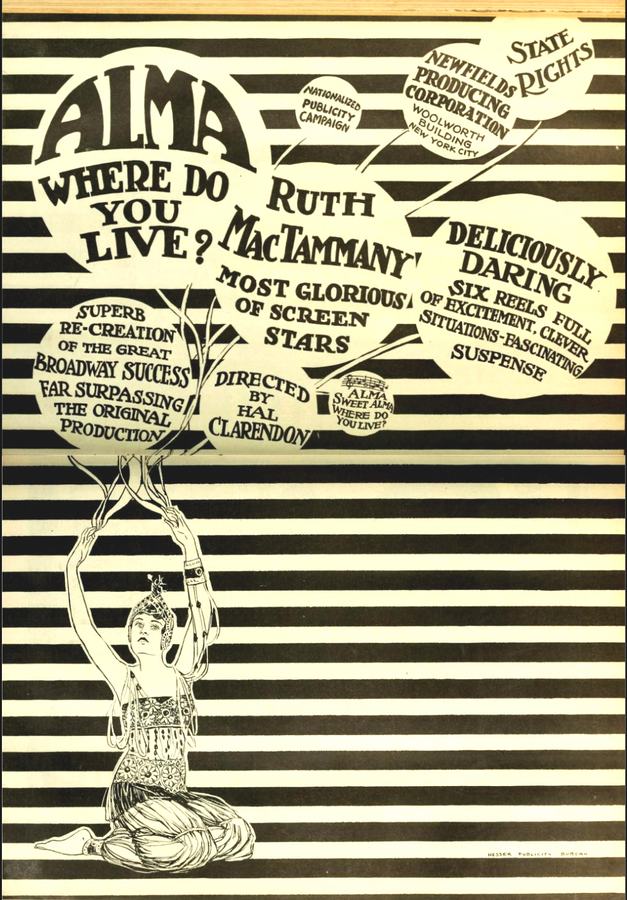
Before departing for the front, Gaston gathers his soldier friends for a farewell party, a poignant gathering imbued with both camaraderie and the unspoken anxieties of impending conflict. This scene becomes the stage for Alma's most audacious act of desperation and a catalyst for the film's climactic emotional unraveling. Donning a khaki uniform, Alma attends the party incognito, a disguise that speaks volumes about her desire to be close to Gaston, yet also her fear of confronting him directly. This act of masquerade, while reminiscent of the playful deceptions in Lady Barnacle or Madame Bo-Peep, carries a far heavier emotional burden here. In a misguided attempt to test Gaston's affections, or perhaps to provoke a reaction, she brags to him about her 'sweetheart Alma.' The irony is palpable, the dramatic tension excruciating. This cruel jest, intended to elicit jealousy or regret, instead ignites a furious fight. The party descends into chaos, a physical manifestation of the emotional turmoil that has consumed Alma and Gaston. In the ensuing commotion, a moment of impulsive rage or profound despair leads Alma to destroy Gaston's cherished portrait of her. This act is deeply symbolic: it is the destruction of their shared artistic vision, the shattering of the idealized image of their love, and a visceral expression of the pain and confusion that has gripped them both. The destruction of the portrait is not merely an act of vandalism; it is a symbolic tearing apart of their very bond, a representation of how misunderstanding and manipulation can obliterate beauty and trust. The power of this scene, even without dialogue, would have been immense, relying on the raw emotional performances of Ruth MacTammany as Alma and George Larkin as Gaston.
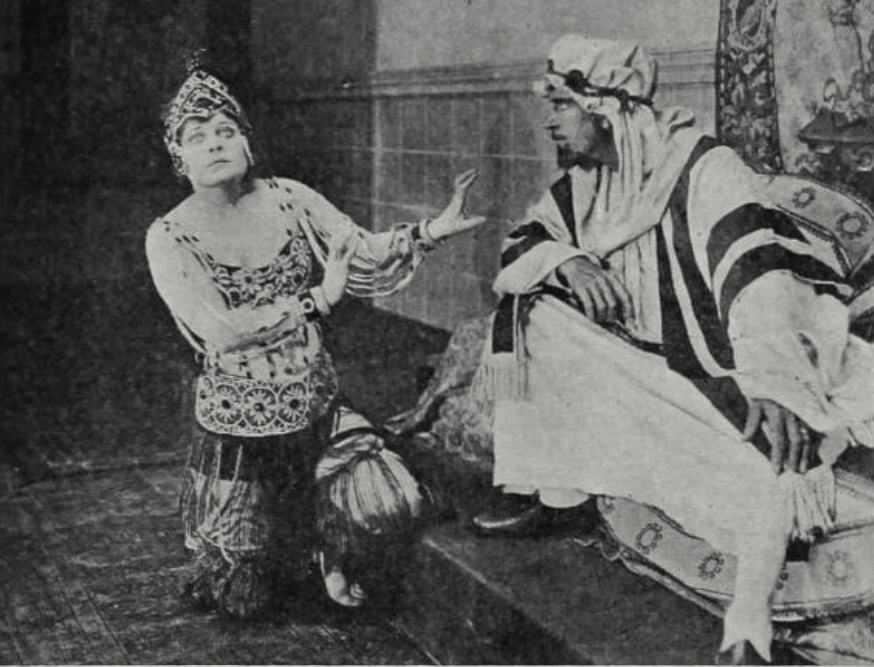
The morning after the chaotic party brings with it a sobering clarity for Alma. The impulsive destruction of the portrait, fueled by jealousy and despair, now weighs heavily on her conscience. She realizes the gravity of her actions, the irreparable damage she has seemingly inflicted upon her relationship with Gaston, and the profound mistake she has made. This moment of self-awareness is crucial for her character's development, marking a transition from a woman entangled in external machinations to one confronting her own internal failings. In a profound act of contrition and an attempt at reconciliation, Alma bravely returns to Gaston's studio. Instead of merely apologizing, she performs a symbolic gesture that speaks louder than any words. She poses in the very spot where her portrait once hung, replicating the posture and perhaps the costume, for Gaston's soldier friends. This act is not for Gaston's benefit alone, but for his comrades, who witnessed the destruction and perhaps judged her. It is a public declaration of her true feelings, a vulnerable offering of herself as she truly is, beyond the artifice of her acting or the disguises of her deception. It is a re-creation, not of the painting, but of the love and trust that the painting represented. This brave, almost theatrical, act of self-exposure demonstrates her unwavering devotion and her genuine regret. It paves the way for the film's emotionally resonant climax: a tender embrace between Alma and Gaston. This embrace is not merely a reunion; it is a profound act of forgiveness, understanding, and renewed commitment, signifying the triumph of love over misunderstanding and the healing power of vulnerability. The narrative arc, from initial passion to profound alienation and finally to a hard-won reconciliation, echoes the enduring themes of enduring love found in classics like Damon and Pythias, where loyalty and devotion are tested to their limits.
'Alma, Where Do You Live?' stands as a testament to the power of silent cinema to convey complex emotional narratives through visual storytelling, expressive acting, and well-crafted plotlines. The film's reliance on facial expressions, body language, and carefully orchestrated dramatic moments would have been paramount in conveying the depth of Alma's duplicity, Gaston's anguish, and their eventual reconciliation. The cast, including Frank McNish, George Larkin, Ruth MacTammany, Mattie Keene, Joseph Phillips, John Webb Dillion, Walter Mack, Jack Newton, Marian Kinmaird, and George Gaston, would have been tasked with delivering performances that transcended the absence of spoken dialogue, using their physicality and emotional intensity to drive the narrative forward. The film's themes—love, betrayal, jealousy, redemption, and the impact of external forces like war and wealth—are universal, ensuring its continued relevance even as cinematic techniques have evolved. It’s a narrative that explores the fragility of trust and the resilience of true affection, reminding us that even in the most convoluted circumstances, the human heart seeks connection and forgiveness. The intricate plotting, while perhaps requiring a suspension of disbelief common to the era, serves to heighten the dramatic tension and provide a satisfying resolution. In an age before synchronized sound, the ability of a film to evoke such a rich tapestry of human emotion speaks volumes about the artistry involved. It's a reminder that compelling storytelling doesn't always require dialogue; sometimes, a knowing glance, a desperate act, or a tender embrace can speak volumes more. This film, like many of its contemporaries, such as Sally in Our Alley or Reggie Mixes In, relied on the strength of its narrative and the charisma of its performers to captivate audiences, proving that the essence of cinema lies in its ability to transport and engage, regardless of technological limitations.
Ultimately, 'Alma, Where Do You Live?' is more than just a period piece; it's a profound exploration of human nature, a narrative that deftly navigates the treacherous waters of deceit and the calming currents of reconciliation. The film, through its dramatic twists and turns, asserts the enduring power of love to overcome even the most formidable obstacles, whether they be the manipulations of a greedy relative or the impulsive decisions made in the throes of jealousy. The journey of Alma and Gaston, from instantaneous attraction to bitter estrangement and finally to a tender reunion, serves as a poignant reminder of the complexities of relationships and the importance of understanding and forgiveness. It’s a narrative that would have resonated deeply with audiences of its time, offering both escapism and a reflection of their own emotional landscapes. The film's enduring legacy lies in its ability to craft a story that, despite its specific historical context, speaks to universal truths about the human condition. It’s a testament to the foundational principles of dramatic storytelling that continue to influence cinema to this day, proving that a well-told story, rich with character and emotional depth, can transcend the limitations of its medium and time. Like the timeless struggles depicted in Robinson Crusoe or the moral dilemmas in The Mill on the Floss, 'Alma, Where Do You Live?' offers a window into the enduring human experience, presented with the captivating artistry of early cinema.
IMDb 5.8
1932
Community
Log in to comment.