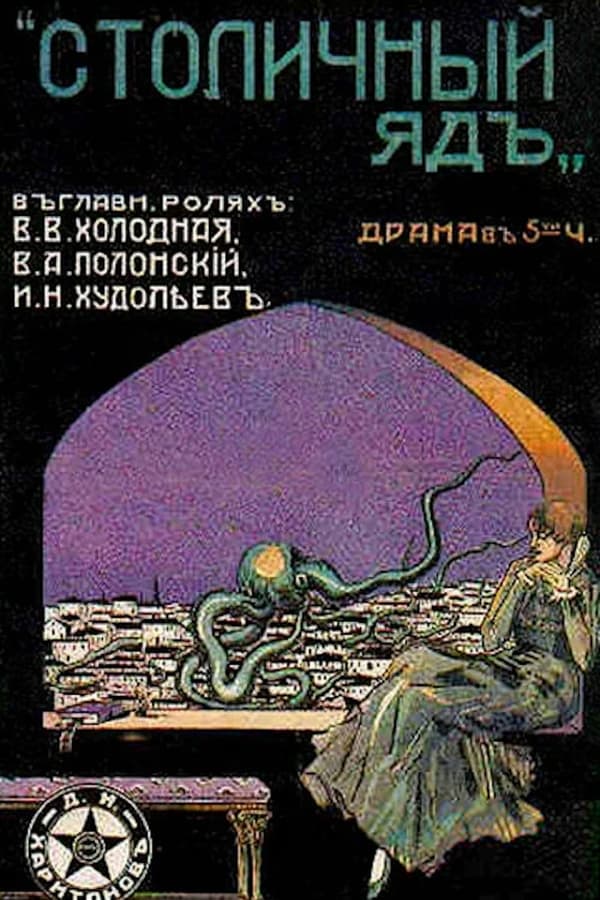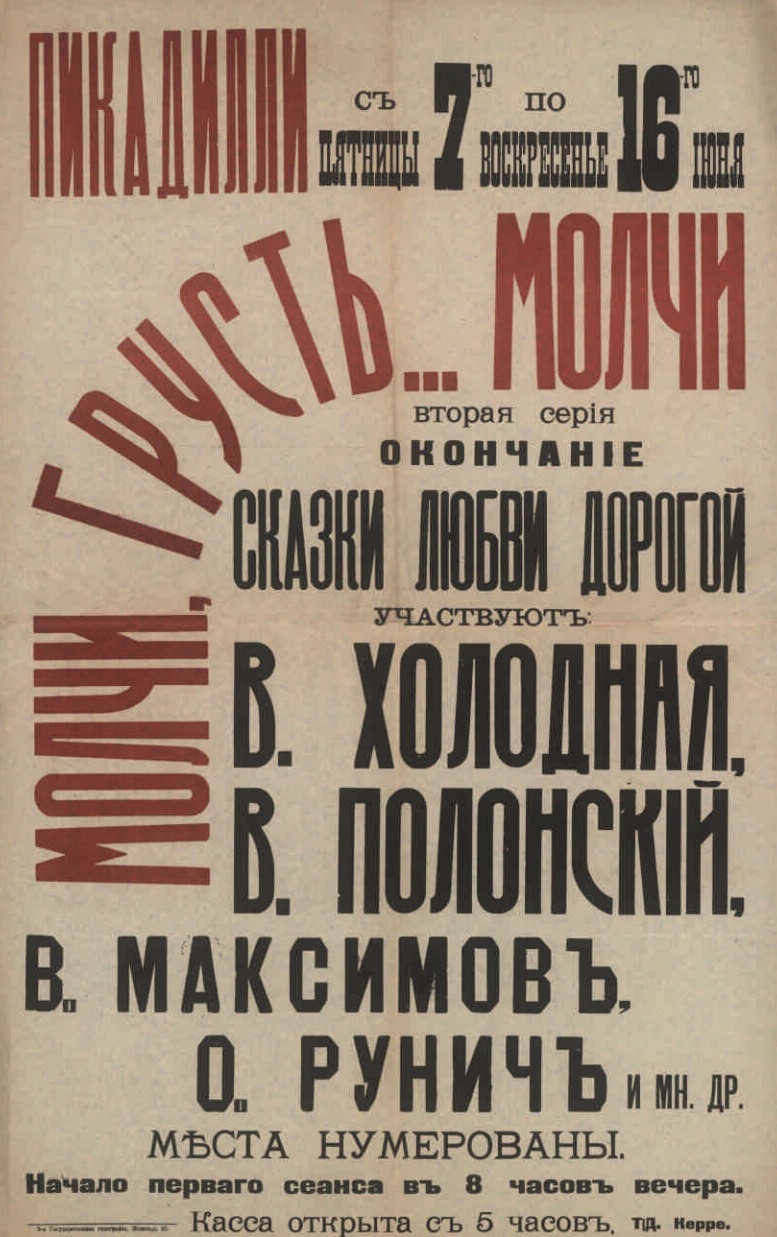
Actress Paula who left circus on disability of the husband acrobat, leaves a family to the wealthy man. A remarkable research of diseases of pre-revolutionary society where "owners of life" manipulating the equities and human destinies.
Russian Federation
::selection{background:#EAB308;color:#000}blockquote{border-left:4px solid #C241C0;padding-left:1rem;margin:1.5rem 0;font-style:italic;color:#EAB308} There are silences that scream louder than any intertitle, and Molchi, grust... molchi hoards those silences like Fabergé eggs—ornate, cold, destined to crack under the...
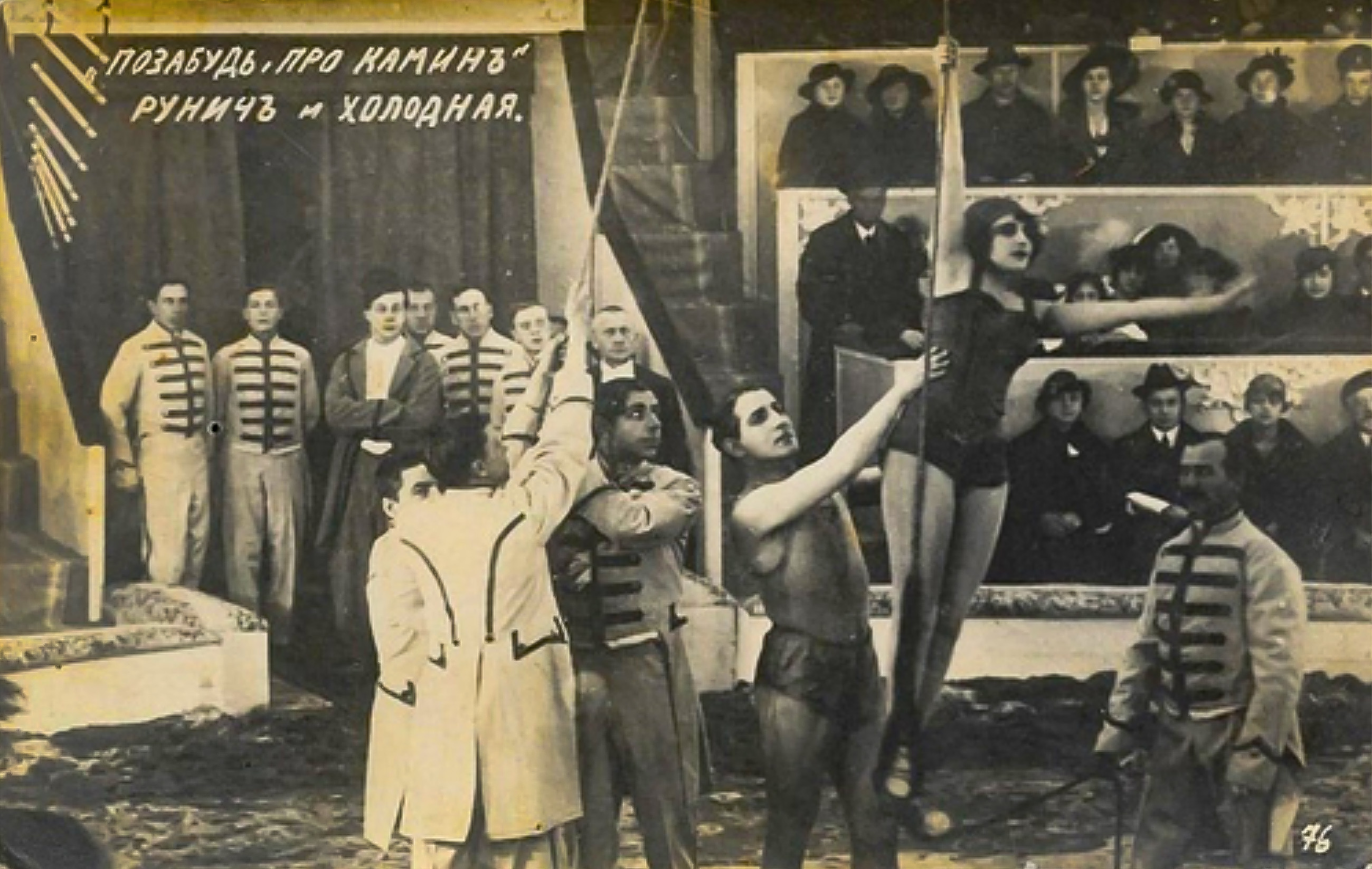
still_frame
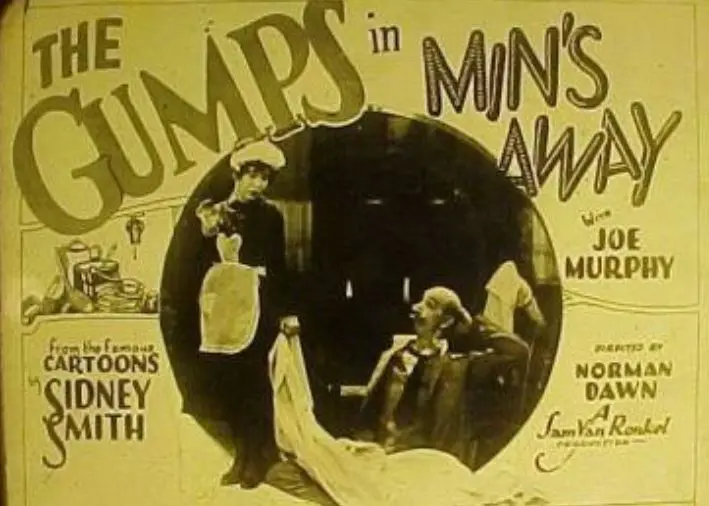
Comparing the cinematic DNA and archive impact of two defining moments in cult history.
Pyotr Chardynin
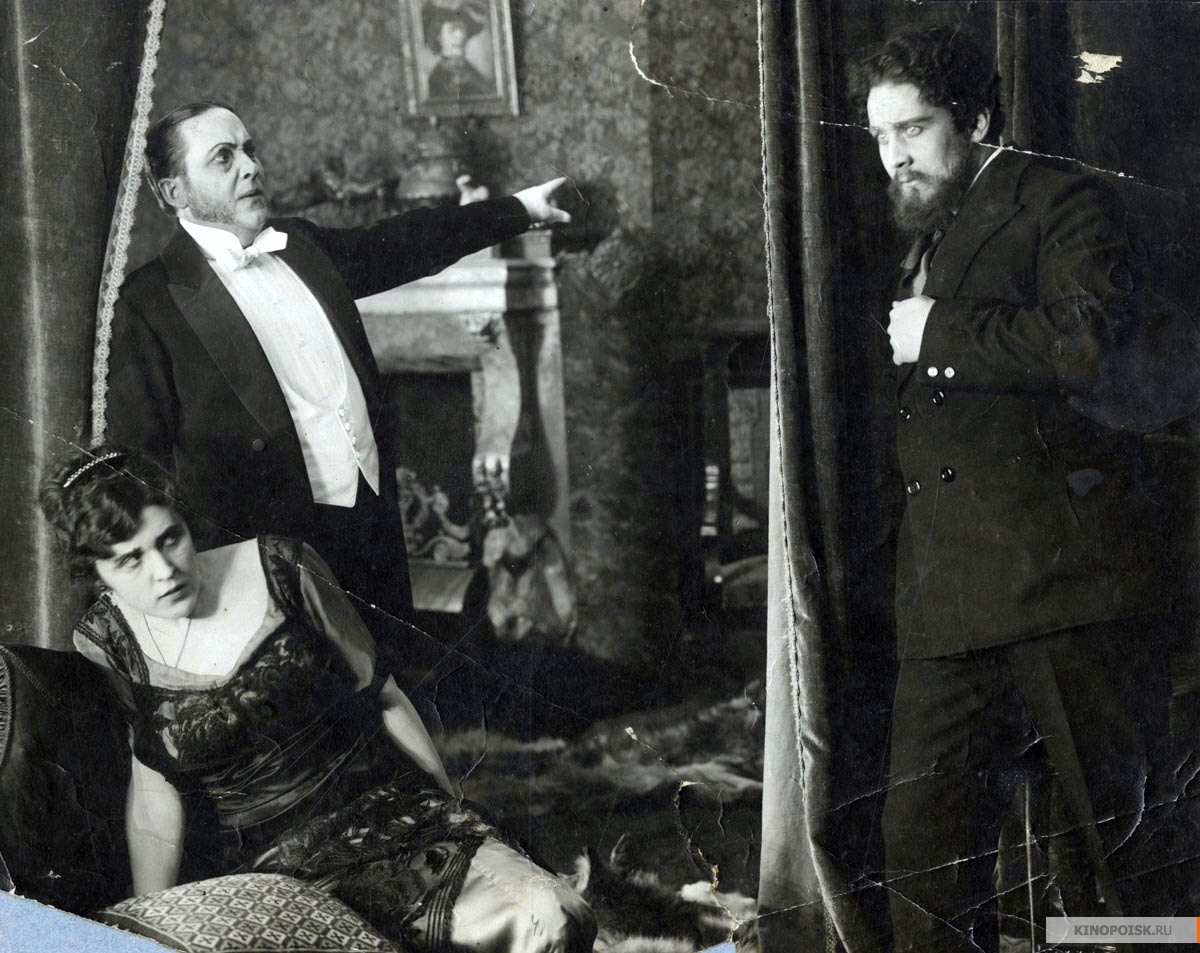
Pyotr Chardynin
Community
Log in to comment.
" ::selection{background:#EAB308;color:#000}blockquote{border-left:4px solid #C241C0;padding-left:1rem;margin:1.5rem 0;font-style:italic;color:#EAB308} There are silences that scream louder than any intertitle, and Molchi, grust... molchi hoards those silences like Fabergé eggs—ornate, cold, destined to crack under the thumb of anyone foolish enough to grip them. Picture a ballroom lit by kerosene chandeliers: the flames shiver, throwing copper freckles across décolletages already bruised by wh..."
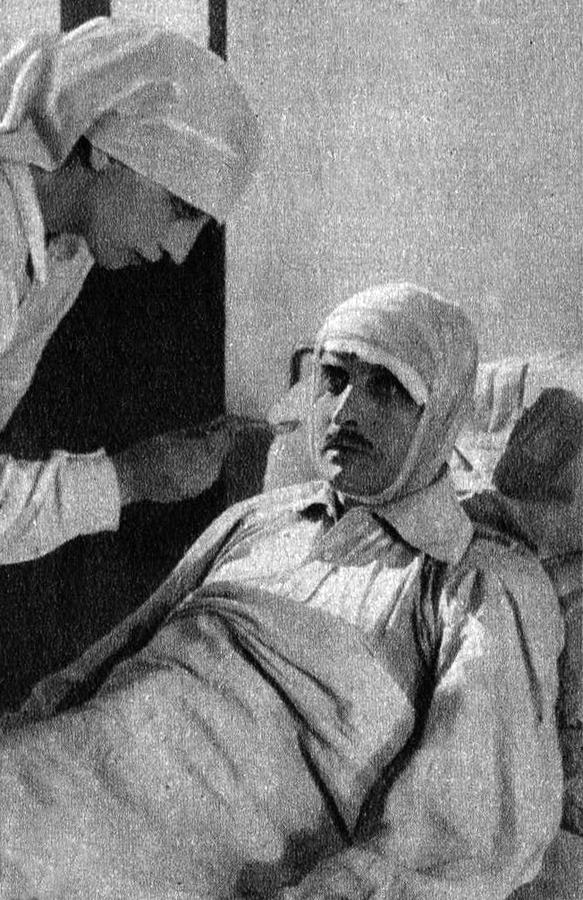
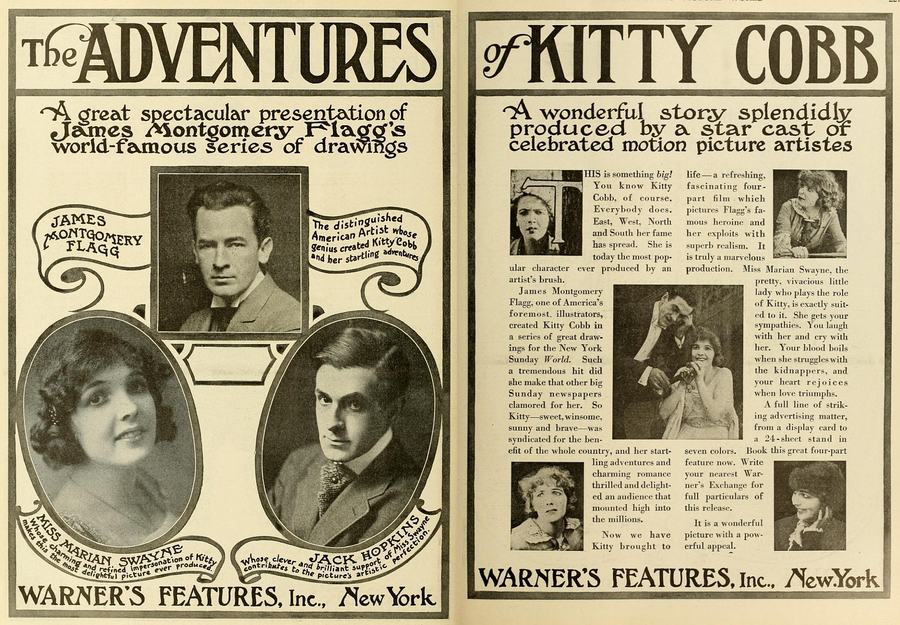
Deep dive into the cult classic
Discover similar cinematic experiences
A Directorial Spotlight on Pyotr Chardynin