DbcultAccessing Vault...
Cult Review
Senior Film Conservator
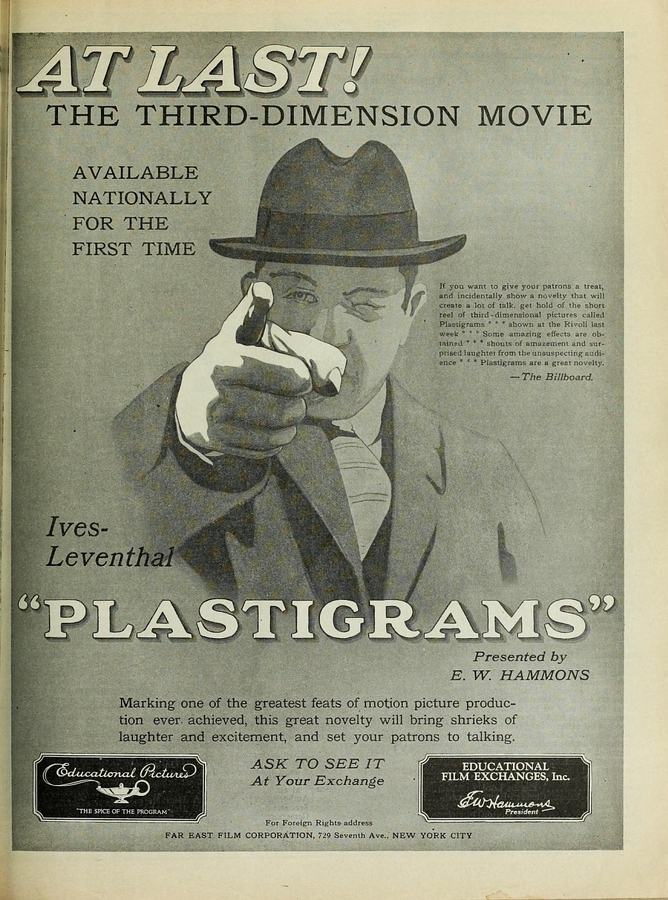
The cinematic landscape of Plastigrams is a realm where art and science converge, yielding a captivating narrative that defies conventions. Frederick Eugene Ives and Jacob Leventhal, the visionary minds behind this project, have successfully harnessed the potential of plastigrams to create an immersive experience that transcends the ordinary. By delving into the intricacies of stereoscopic photography, they have crafted a visual language that is at once intuitive and innovative, inviting the viewer to partake in a journey of discovery.
As we navigate the uncharted territories of Plastigrams, we are reminded of other cinematic endeavors that have pushed the boundaries of storytelling, such as The Land of the Pygmies, which, although differing in theme and technique, shares a similar spirit of adventure and exploration. The use of plastigrams in Plastigrams, however, introduces a new dimension to the narrative, literally and figuratively, allowing the viewer to engage with the story on a deeper level.
The narrative of Plastigrams is a complex tapestry, woven from threads of art, science, and imagination. Ives and Leventhal have carefully balanced the artistic and scientific aspects of their work, creating a harmonious union that yields a unique cinematic experience. The film's use of color, or rather, the lack thereof, serves to underscore the beauty of form and texture, inviting the viewer to contemplate the essence of representation and perception.
In comparison to other films of the era, such as Humor Risk and Her Double Life, Plastigrams stands out for its bold experimentation with form and technique. The film's innovative use of plastigrams has paved the way for future generations of filmmakers, inspiring new approaches to storytelling and visual representation. The influence of Plastigrams can be seen in films like Beyond the Great Wall and Prudence, the Pirate, which, although differing in style and theme, share a common spirit of innovation and creativity.
The artistic vision of Plastigrams is a testament to the power of human imagination and the boundless possibilities of cinematic storytelling. Ives and Leventhal have created a world that is at once familiar and strange, inviting the viewer to embark on a journey of discovery and exploration. As we delve into the realms of Plastigrams, we are reminded of the importance of experimentation and innovation in the cinematic arts, and the need to continually push the boundaries of what is possible.
In the context of cinematic history, Plastigrams occupies a unique position, bridging the gap between the early experiments with stereoscopic photography and the modern applications of this technology. The film's influence can be seen in a wide range of cinematic endeavors, from the classic Forget Me Not to the more recent The Adventures of a Madcap. The use of plastigrams in Plastigrams has also inspired new approaches to visual representation, as seen in films like Tabaré and The Way Women Love.
The legacy of Plastigrams continues to inspire new generations of filmmakers and artists, offering a unique perspective on the possibilities of cinematic storytelling. As we reflect on the film's innovative use of plastigrams, we are reminded of the importance of experimentation and innovation in the artistic process. The film's influence can be seen in a wide range of cinematic endeavors, from the classic Chained to the Past to the more recent Acquitted. The use of plastigrams in Plastigrams has also inspired new approaches to visual representation, as seen in films like The Evil Eye and The Luck of Roaring Camp.
In conclusion, Plastigrams is a cinematic masterpiece that continues to inspire and fascinate audiences with its innovative use of plastigrams and its unique approach to storytelling. The film's influence can be seen in a wide range of cinematic endeavors, from the classic Romeo's Dad to the more recent Kidnapping Caroline. As we reflect on the film's legacy, we are reminded of the importance of experimentation and innovation in the artistic process, and the need to continually push the boundaries of what is possible in the world of cinematic storytelling.

IMDb 6.9
1923
Community
Log in to comment.