Summary
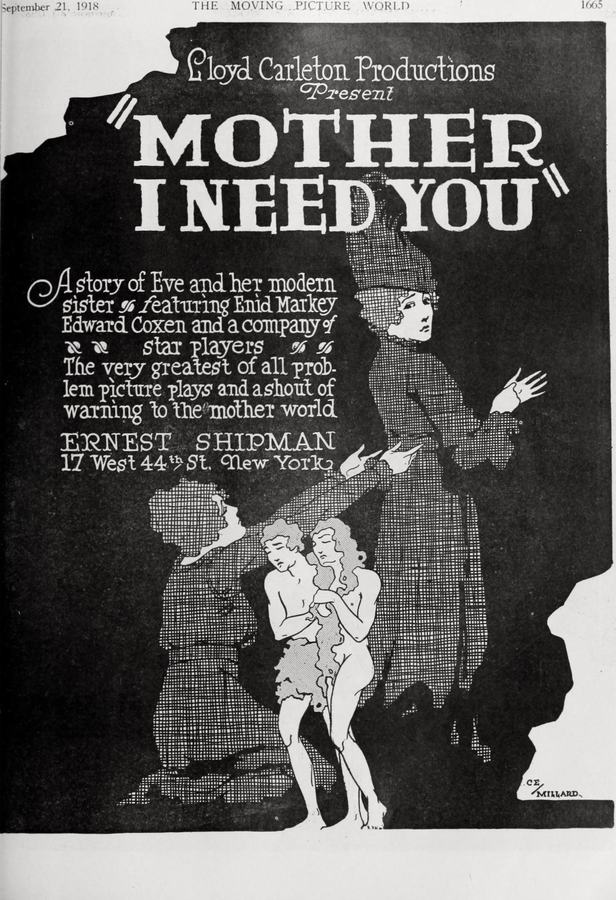
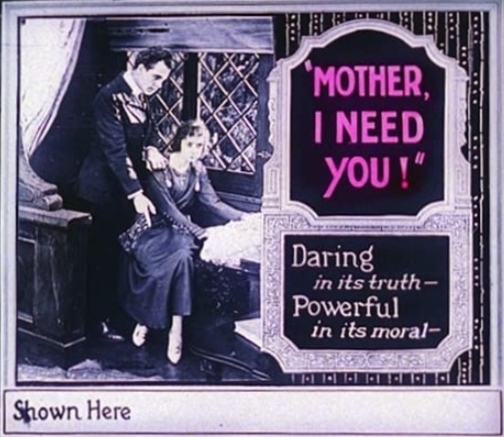
A gaunt war-widow, Mrs. Vale—played with tremulous stoicism by Clarissa Selwynne—clutches the frayed edges of respectability in a nameless seaboard town where the salt gnaws both clapboard and conscience. Her son, Leslie, an incandescent Edward Coxen, returns from continental battlefields with a limp, a medal, and a secret marriage to a cabaret violinist whose silhouette still smells of Berlin absinthe. Into this tinderbox drifts Enid Markey’s Lillian, the childhood sweetheart turned munitions-factory forewoman, her overalls spangled with metallic dust like stardust on a mourner’s veil. G. Raymond Nye’s Horace Grimble, a predatory banker whose collar is as starched as his sense of entitlement, holds the mortgage on the Vale homestead and covets both the property and the widow’s dwindling virtue. The film unspools in chiaroscuro interiors: kerosene flames tremble across daguerreotype portraits, while outside, locomotive headlights rake the night, turning drifting soot into incandescent swarms. A pivotal nocturne sees Leslie forging his dead captain’s signature on a promissory note to save the farm, the quill’s scratch syncopated by the windlass groan of a lighthouse—a heartbeat of guilty iron. When the forgery surfaces, maternal sacrificial impulses combust: Mrs. Vale barters her heirloom cameo, the last relic of patrician lineage, to buy back the ink-stained paper, only to discover that the banker has already duplicated it, a palimpsest of blackmail. The climax transpires during a gothic thunder-feast: Lillian, wielding a rivet gun like a Valkyrie’s spear, storms the banker’s marble mausoleum of an office, her rivets perforating ledgers so that columns of numbers hemorrhage into the storm. Yet resolution arrives not through gunpowder but through a whispered maternal confession beneath an umbrella of rain: Leslie is not her biological child but the orphaned offspring of the very captain whose name he forged, a revelation that refracts every prior motive through a prism of tragic irony. The final tableau freezes on a dawn train platform: mother and son exchange no words, only the shared knowledge that the word “mother” itself is now a movable feast of loyalty, blood, and chosen affinity.
Review Excerpt
"If you crave a maternal weepie that sidesteps syrup and instead slits open the corset of 1910s propriety, Mother, I Need You is the nitrate revelation you never knew you needed. Shot through with the acrid smoke of post-war disillusion, this one-reel dagger barely exceeds thirty-five minutes yet etches itself into your marrow like a shrapnel splinter.
Visual Alchemy in Monochrome
Director (unnamed in surviving prints) wields chiaroscuro like a scalpel. Note the early parlor scene: lace curtains..."