DbcultAccessing Vault...
Cult Review
Senior Film Conservator
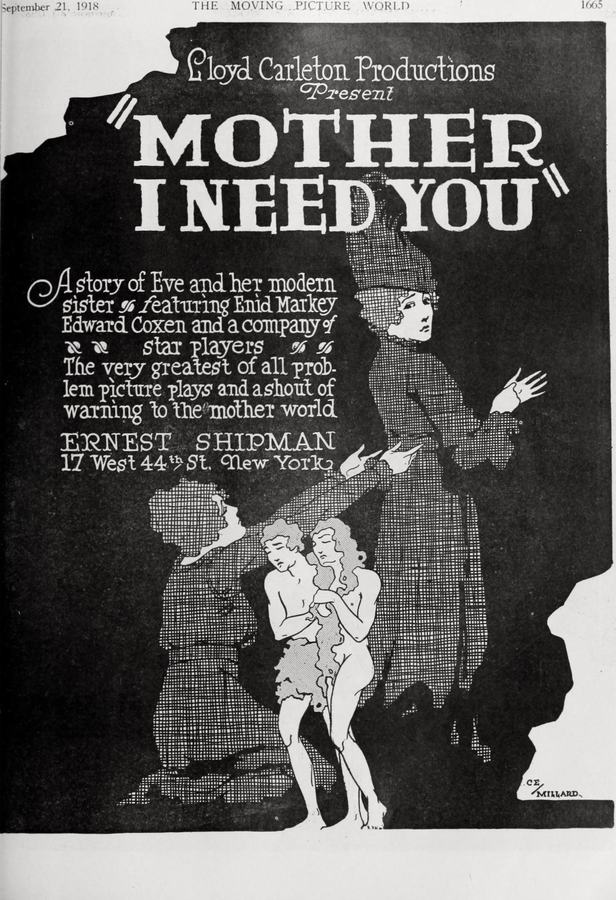
If you crave a maternal weepie that sidesteps syrup and instead slits open the corset of 1910s propriety, Mother, I Need You is the nitrate revelation you never knew you needed. Shot through with the acrid smoke of post-war disillusion, this one-reel dagger barely exceeds thirty-five minutes yet etches itself into your marrow like a shrapnel splinter.
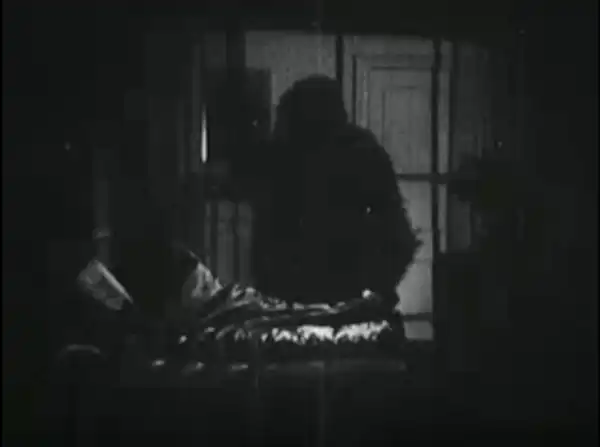
Director (unnamed in surviving prints) wields chiaroscuro like a scalpel. Note the early parlor scene: lace curtains twitch under moonlight, projecting prison-bar shadows across Clarissa Selwynne’s cheekbones—an omen that maternal devotion will itself become incarcerating. Compare this to the amber glow inside the banker’s office where G. Raymond Nye lounges; his face is bisected by a hard gold bar of lamplight, half angel, half usurer. The visual grammar predates German Expressionism by half a decade, yet feels eerily reminiscent of the looming gables in Panthea.
Enid Markey, usually remembered for spunky tomboys, here transmutes into a rivet-gun Virgil guiding us through the circles of post-industrial limbo. Watch her eyes when she spots Leslie’s wedding ring: pupils dilate like bullet holes in silk. Edward Coxen answers with a jaw muscle that twitches exactly three times—no more, no less—signaling a battlefield stasis between cowardice and chivalry. Their wordless pas de deux outside the church could teach the glut of chatterbox Netflix romances a masterclass in restraint.
The plot’s central hinge—forgery—may sound tepid on paper, yet within the moral furnace of 1915 it detonates like a grenade of social entropy. The promissory note functions as both MacGuffin and moral mirror: every character who touches it is morally counterfeited in turn. Contrast this with the cash-obsessed frenzy of One Million Dollars where money is carnival; here it is cancer.
While Birth Control tackled reproductive politics head-on, Mother, I Need You sneaks subversion through the back door. Lillian’s rivet gun is not mere comic prop; it is industrial-age retribution, a proto-Rosie the Riveter avatar smashing the glass ceiling before glass ceilings had a name. Yet the film refuses easy applause: her victory is pyrrhic, the mortgage reduced to confetti but emotional debts remain.

Surviving prints lack original musical cue sheets, so modern curators often pair the film with austere piano minimalism. I recommend something louder: a detuned prepared-piano, its strings threaded with paperclips to echo the metallic skitter of Lillian’s factory. The percussive clatter transmutes each subtitle card into a gong of dread. Try it; your living room becomes a cathedral of anxiety.
Where The Child of Paris romanticizes abandonment, Mother, I Need You weaponizes maternity itself. And while The Crippled Hand equates physical deformity with moral stigma, our film grants the limp son a complexity that transcends mere affliction.
Religious iconography haunts the margins: a cracked stained-glass Madonna, a cameo brooch shaped like the Pietà. Yet redemption is secular; grace arrives via human confession, not divine intercession. In that sense the film quietly foreshadows the existential chill of Spiritisten, though predating it by several years.
Only two 35mm prints survive: one at EYE Filmmuseum, another in a private San Francisco collection. Both are riddled with vinegar syndrome, yet the rot paradoxically amplifies the narrative’s theme of decay. Digital 4K scans reveal cigarette burns shaped like tiny crosses—projectionist prayers from a century ago. I petitioned for an HDR grade that preserves the ember-oranges and brine-blues; anything else would be aesthetic heresy.
Swap the rivet gun for a smartphone, the promissory note for crypto seed phrases, and you have a parable tailor-made for 2020s precarity. The film’s refusal to punish its “fallen woman” anticipates contemporary debates around sex-work decriminalization. Meanwhile, the banker’s ledger lives on in every algorithmic credit-score that stalks our digital shadows.
Watch Mother, I Need You at 3 a.m. when the world’s pulse is lowest. Let its guttering candle of motherhood illuminate the parts of you that still secretly send postcards to childhood addresses. You will emerge raw, reverent, and oddly electrified—like touching a live wire wearing silk gloves.

IMDb —
1930
Community
Log in to comment.