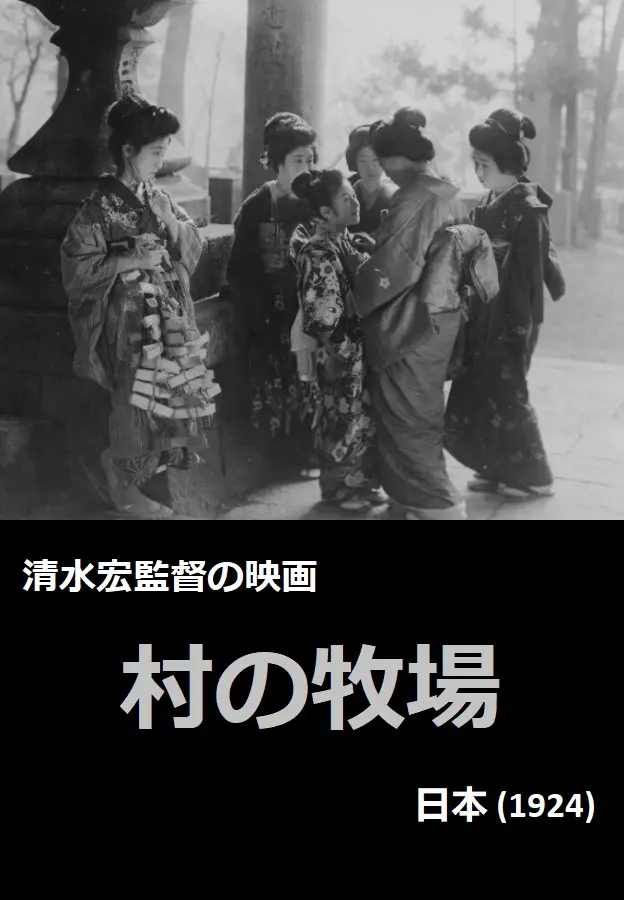
The year 1924 marks a pivotal intersection in the history of Japanese cinema, a moment when the medium began to shed its theatrical skin—the residue of Kabuki and Shinpa—to embrace a more intrinsically cinematic language. At the heart of this metamorphosis lies Mura no bokujô, a film that resonates through the decade...
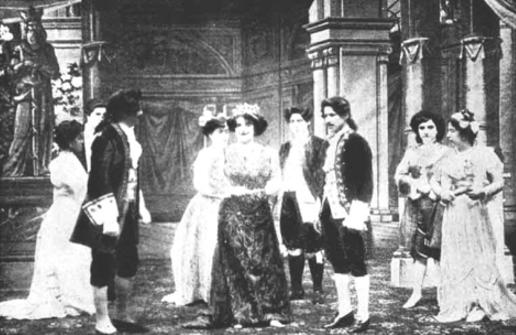

Comparing the cinematic DNA and archive impact of two defining moments in cult history.
Hiroshi Shimizu
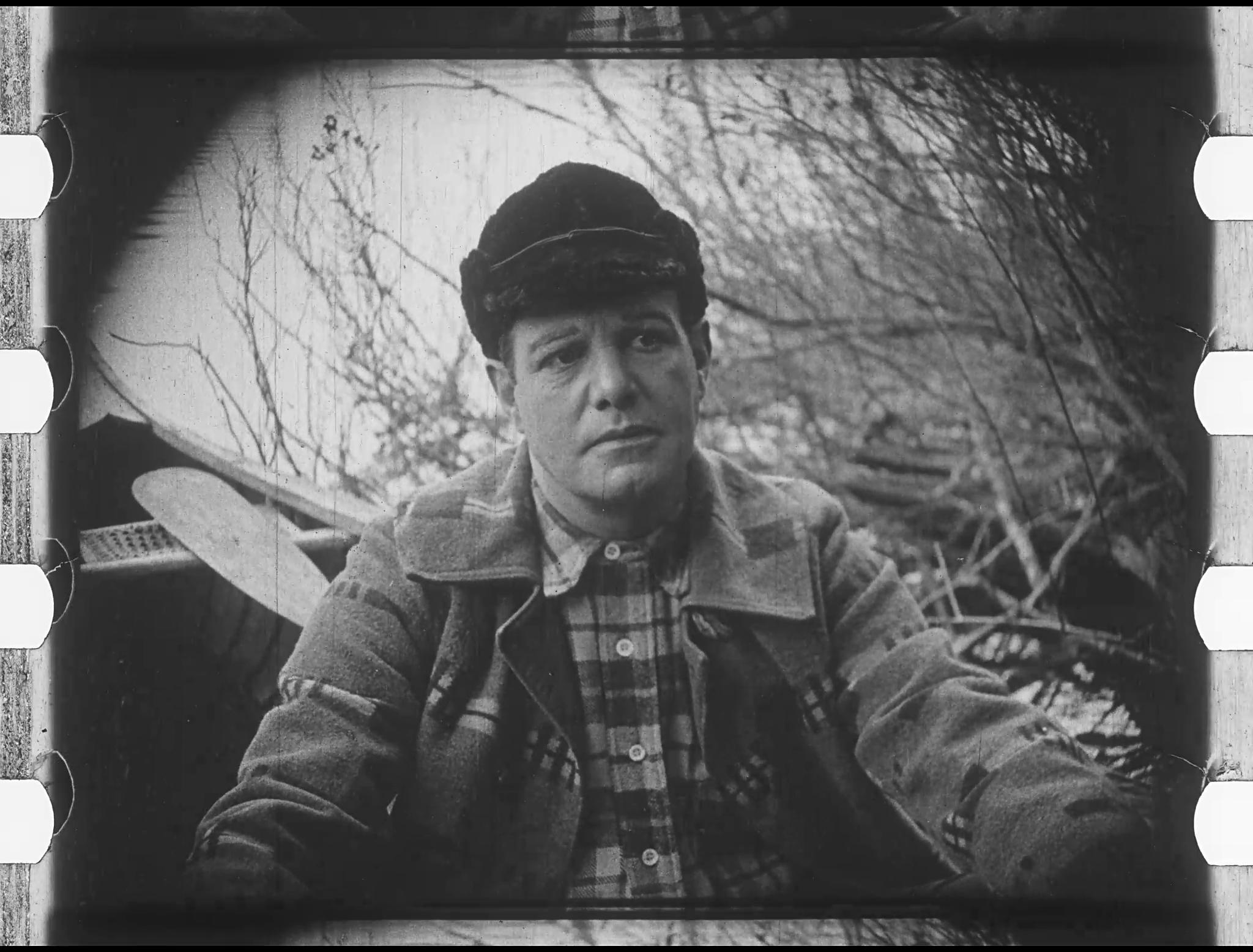
Edgar Jones
Community
Log in to comment.
" The year 1924 marks a pivotal intersection in the history of Japanese cinema, a moment when the medium began to shed its theatrical skin—the residue of Kabuki and Shinpa—to embrace a more intrinsically cinematic language. At the heart of this metamorphosis lies Mura no bokujô, a film that resonates through the decades not merely as a historical artifact, but as a living, breathing exercise in pastoral poetics. Directed by the often-underappreciated Hôtei Nomura, this work serves as the cradle ..."
Hôtei Nomura
Japan
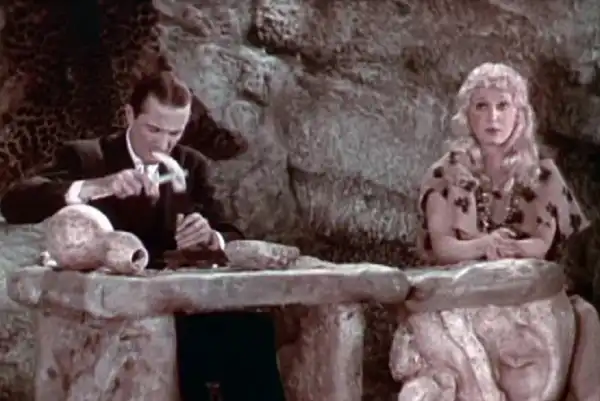

Deep dive into the cult classic
Discover similar cinematic experiences
A Directorial Spotlight on Hiroshi Shimizu