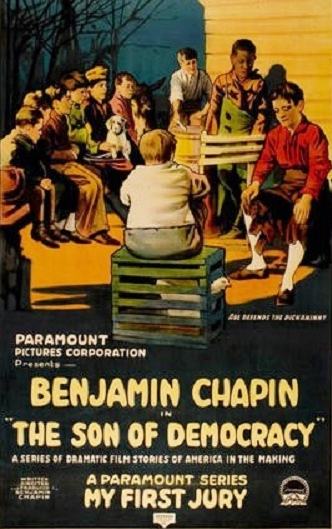
Abraham Lincoln, the boy, defends a funny little black boy accused of stealing a white rooster. After a swift chase, Jim, the black boy, is captured with the fowl under his arm, and he is about to be roughly handled by the angry youths when Abe intervenes and suggests that the trembling captive be given a fair trial by jury.
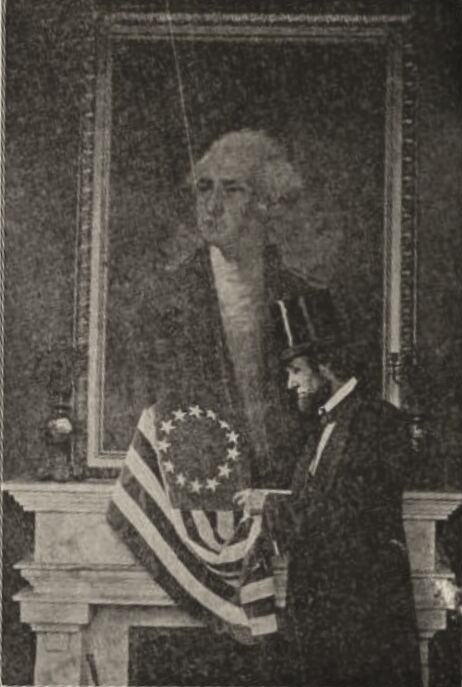
United States
Unearthing the Genesis of Justice: A Deep Dive into 'My First Jury' In the annals of early American cinema, certain films stand not merely as historical artifacts but as foundational myths, encapsulating nascent national ideals through the lens of emerging art. 'My First Jury', a silent film that cas...
Comparing the cinematic DNA and archive impact of two defining moments in cult history.
Benjamin Chapin
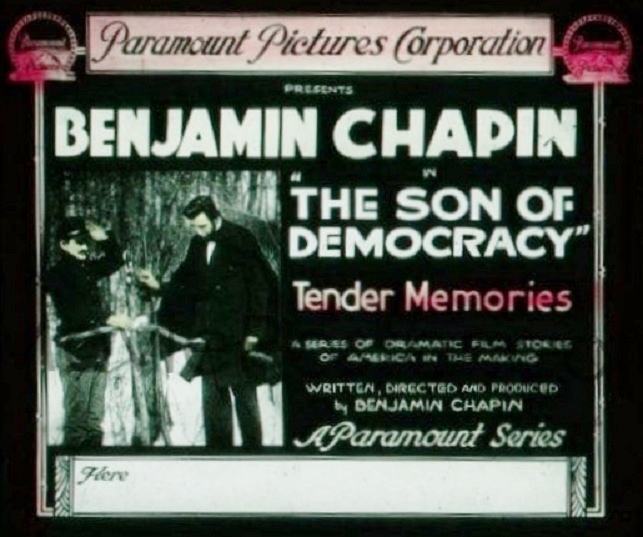
Benjamin Chapin
Community
Log in to comment.
" Unearthing the Genesis of Justice: A Deep Dive into 'My First Jury' In the annals of early American cinema, certain films stand not merely as historical artifacts but as foundational myths, encapsulating nascent national ideals through the lens of emerging art. 'My First Jury', a silent film that casts a spotlight on the boyhood of Abraham Lincoln, is precisely one such cinematic curio. It offers more than just a biographical sketch; it presents a profound, albeit simplified, ..."
1918 · IMDb —
Benjamin Chapin