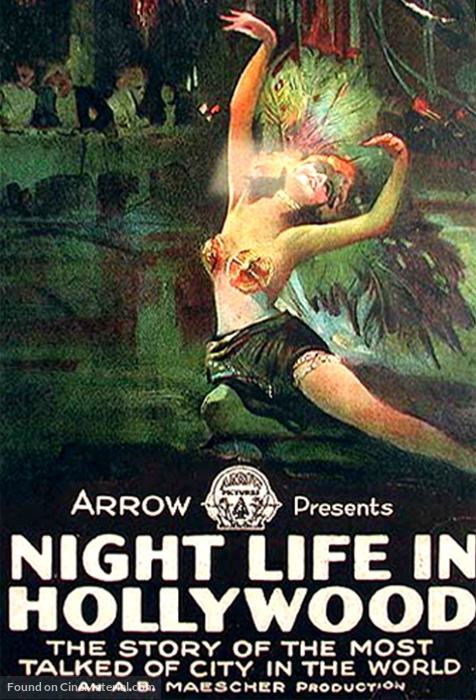
Wild melodrama in Hollywood..
Imagine, if you can, a Los Angeles that still smells of raw plaster and gardenias, where the air is thick with magnesium flash-powder and the future hasn’t been invented yet. Into this half-built paradise storms Night Life in Hollywood, a picture so drunk on its own contradictions it needs a stagger-step just to stay ...
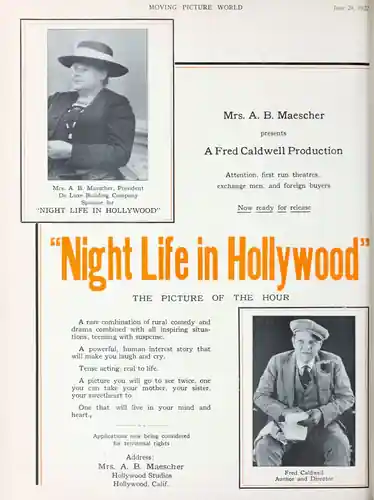
publicity
Comparing the cinematic DNA and archive impact of two defining moments in cult history.
John Frederick Caldwell
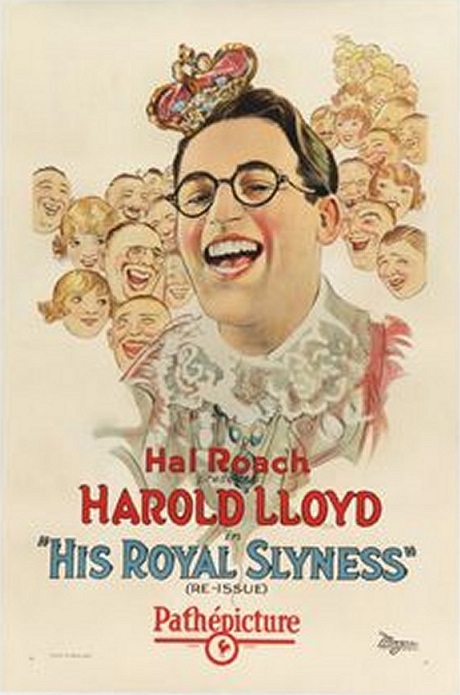
Hal Roach
Community
Log in to comment.
" Imagine, if you can, a Los Angeles that still smells of raw plaster and gardenias, where the air is thick with magnesium flash-powder and the future hasn’t been invented yet. Into this half-built paradise storms Night Life in Hollywood, a picture so drunk on its own contradictions it needs a stagger-step just to stay upright. It is at once a morality play, a backstage musical, a cocaine-fuelled slapstick, and a séance for a city that refuses to admit it’s already dead. The opening shot—a dolly ..."
Denishawn Dancers
John Frederick Caldwell
United States
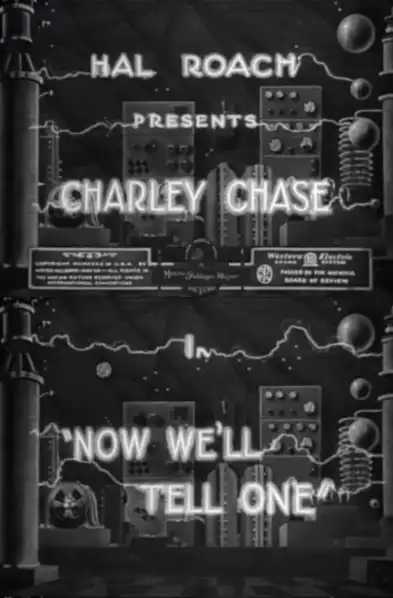
1932 · IMDb 6.5
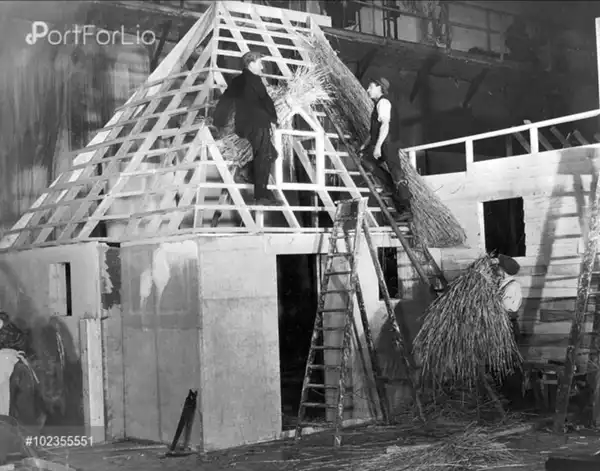
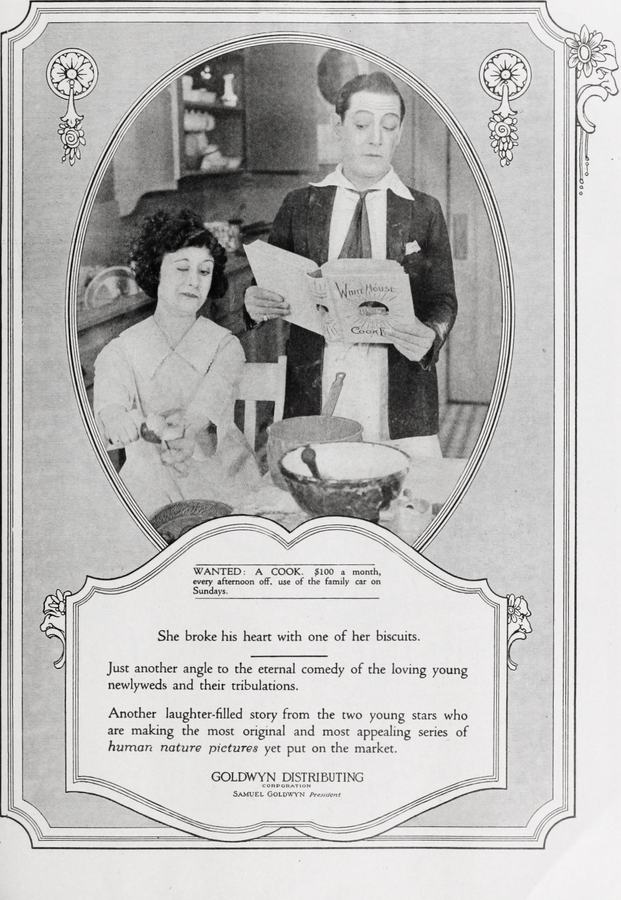
Deep dive into the cult classic
Discover similar cinematic experiences
A Directorial Spotlight on John Frederick Caldwell