DbcultAccessing Vault...
Cult Review
Senior Film Conservator
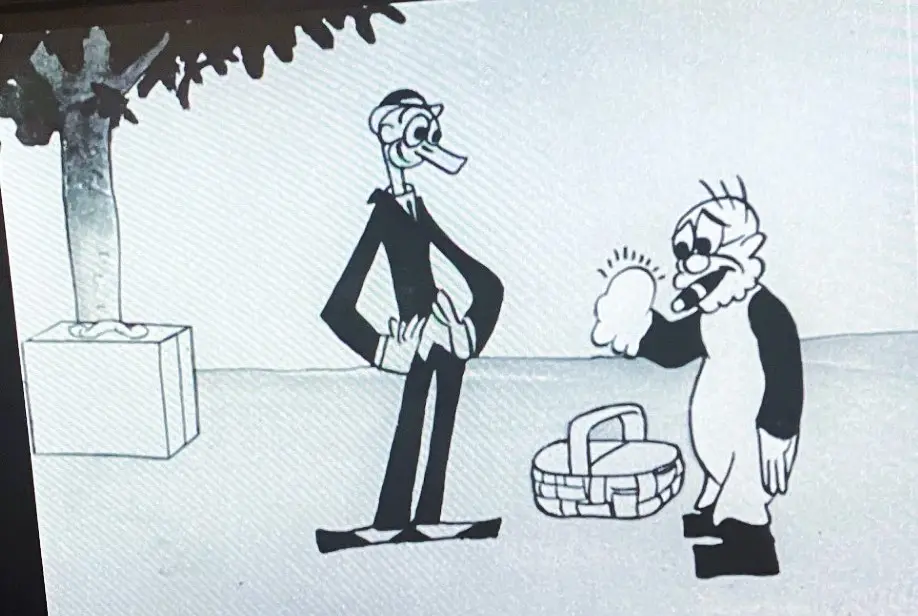
Is this film worth watching today? Short answer: only if you treat it as a frantic archaeological dig into the history of human insecurity. It is a grueling, fascinating, and occasionally mean-spirited artifact that says more about 1914 than it does about comedy.
This film is specifically for historians of the silent era and those who enjoy the raw, unpolished energy of early slapstick. It is absolutely not for anyone looking for a cohesive narrative or a modern sense of empathy regarding body image.
1) This film works because it captures a pure, unadulterated anxiety about the body that feels shockingly modern despite the grain of the film stock.
2) This film fails because its central joke is a repetitive hammer blow that lacks the rhythmic variety found in the works of Chaplin or Keaton.
3) You should watch it if you want to see the exact moment where cinema began to weaponize social shame for the sake of a cheap laugh.
Anti-Fat is a product of its time, but that doesn't make its content any less jarring. The film centers on the physical humiliation of its lead, a trope that was already becoming a staple of early shorts like Hip Hip Hypnotism. However, where other films used magic or hypnotism as the catalyst for chaos, Anti-Fat uses the burgeoning industry of 'patent medicine' and quackery.
The directing is functional, almost voyeuristic. The camera stays pinned to the floor, refusing to move even as the protagonist is put through the ringer. This creates a sense of entrapment. You aren't just watching a comedy; you are watching a man trapped in a frame, subjected to the whims of an unseen director. It lacks the grace of The Mirage, opting instead for a blunt-force trauma approach to humor.
There is a specific scene involving a vibrating belt machine that feels like a precursor to body horror. The actor's face, a mask of exaggerated terror, isn't just playing for the back row—he looks genuinely distressed by the contraption. It is a moment of raw, physical reality breaking through the artifice of the silent screen.
The acting in Anti-Fat is a masterclass in the 'over-the-top' style that defined the era before more subtle performers emerged. Every gesture is wide. Every blink is a statement. While it lacks the emotional depth seen in A Mother's Confession, it possesses a manic stamina that is hard to ignore.
The protagonist’s descent into 'reduction' madness is played with a frantic desperation. He isn't just trying to lose weight; he is trying to escape a social death sentence. This underlying desperation is what makes the film feel so heavy. It’s not lighthearted. It’s a frantic scramble for acceptance.
Compared to the character work in The Better Way, the performances here are flat archetypes. But in the context of a 1914 short, these archetypes were the shorthand of the masses. They were recognizable, relatable, and ultimately, disposable.
If you are looking for entertainment in the modern sense, no. Anti-Fat is an uncomfortable experience. However, if you want to understand the roots of visual comedy and how cinema has historically treated the human form, it is an essential watch. It provides a necessary counterpoint to the more polished dramas of the time, such as The Leopard Woman.
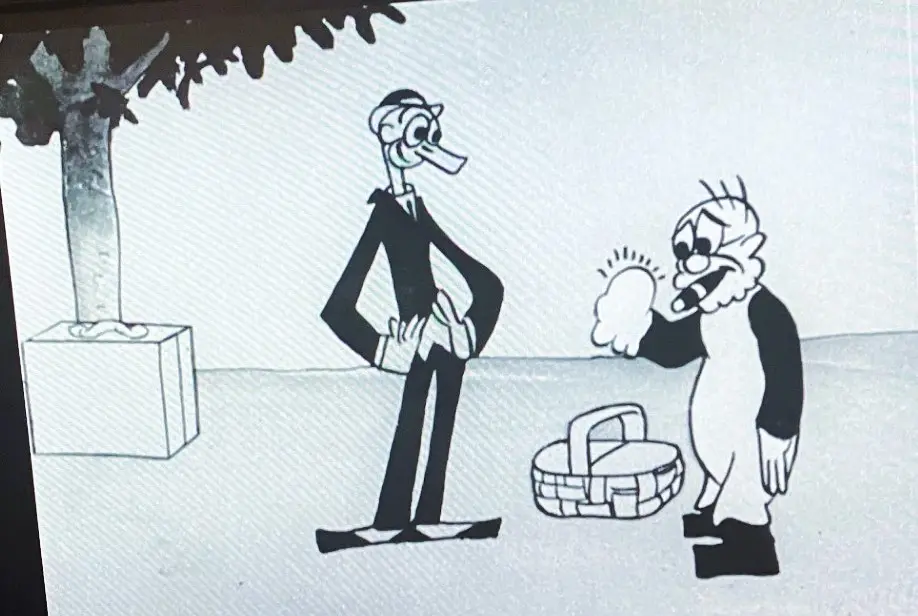
The film is a short, sharp shock of historical reality. It is a reminder that the 'good old days' were filled with the same insecurities we face today, just wrapped in different packaging. It is a brutal, honest, and ugly piece of film history.
The cinematography in Anti-Fat is non-existent by today's standards. There are no close-ups to emphasize the character's internal state. There are no tracking shots to follow the action. Instead, the film relies entirely on the 'proscenium arch' style, where the screen is treated like a theater stage.
This creates a distance between the viewer and the subject. We are not experiencing the pain with him; we are observing it from the safety of our seats. This distance allows the 'comedy' to function. If we were any closer, the film would be a tragedy. The pacing is relentless, much like the urban energy captured in The Jazz Hounds.
One surprising observation is the use of negative space. The director often leaves large portions of the frame empty, forcing the viewer to focus on the protagonist's isolation. Even in a crowded room, he feels alone. This was likely an accidental byproduct of the era's technical constraints, but it adds a layer of unintended pathos.
"Anti-Fat is a film that hates its subject as much as the subject hates himself. It is a circular exercise in social cruelty."
While the film is ostensibly a comedy, it functions as a dark satire of the industrialization of health. In 1914, the world was changing rapidly. Machines were replacing manual labor, and the 'body' was becoming something that needed to be managed, like a factory. We see this mechanical obsession again in The Masked Mannequin, but here it is focused inward.
The film suggests that there is no 'natural' way to exist anymore. You must be poked, prodded, and vibrated into a shape that society deems acceptable. This is a surprisingly cynical take for a silent short. It lacks the optimistic heroism found in The Golden Goal or the rugged individualism of The Forbidden Range.
The protagonist is a victim of his own vanity, but the film doesn't offer him a way out. He is simply a cog in the machine. By the time the credits roll, nothing has been solved. The cycle of shame simply continues. It is a bleak outlook disguised as a romp.
Pros:
Cons:
Anti-Fat is not a 'good' movie by any contemporary metric, but it is a vital one. It is a jagged, uncomfortable piece of celluloid that refuses to be ignored. It lacks the charm of The Idle Rich or the mystery of Shadows of Suspicion, but it possesses a primal energy that is undeniably cinematic.
It works. But it’s flawed. It is a film that screams for attention and then doesn't know what to do once it has it. Watch it as a curiosity, study it as a historical document, but do not expect to leave with a smile on your face. The laughter it provokes is nervous, born of the realization that we haven't changed nearly as much as we think we have.
Ultimately, Anti-Fat stands as a testament to the enduring power of the camera to capture our deepest fears. It is a 1914 mirror that still reflects the anxieties of the present day. It is a relic, yes, but one that still has the power to unsettle.
IMDb —
1923
Community
Log in to comment.