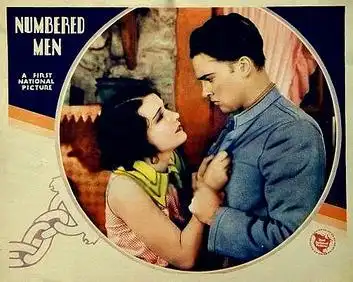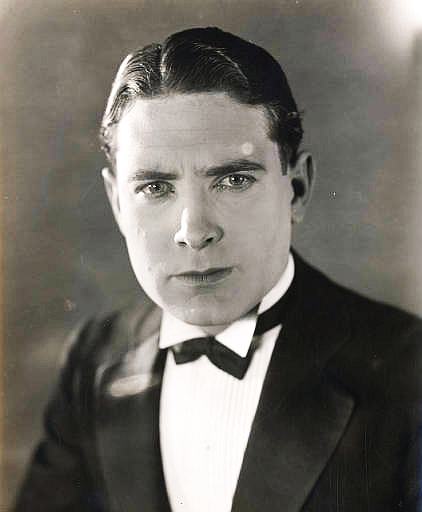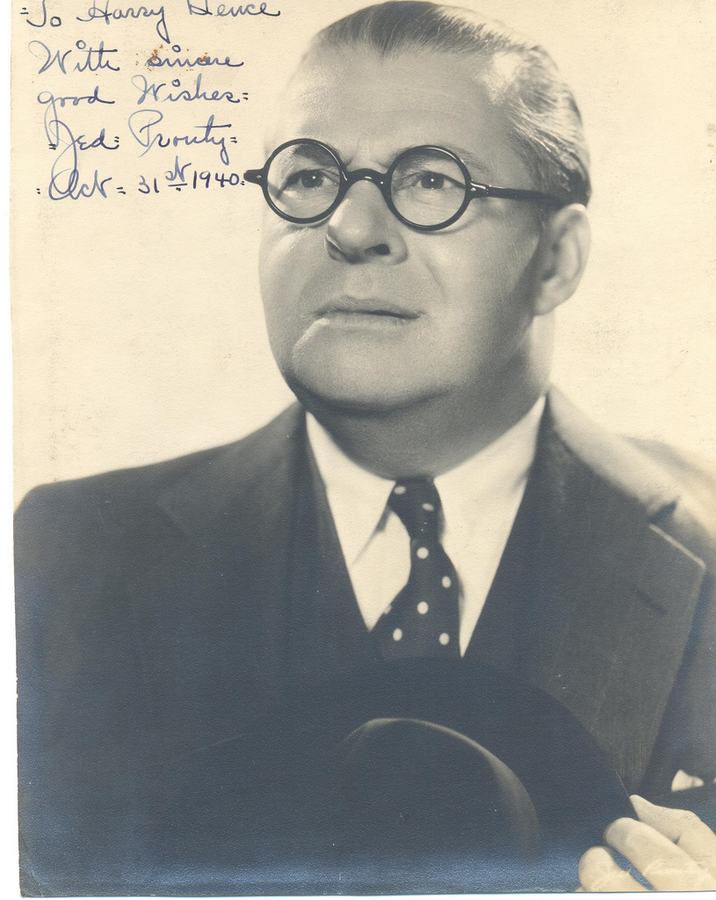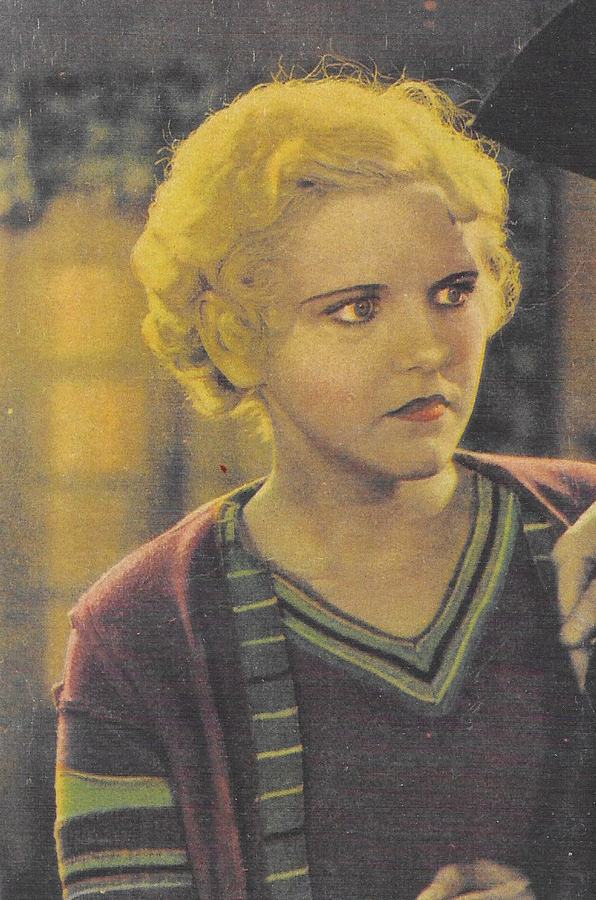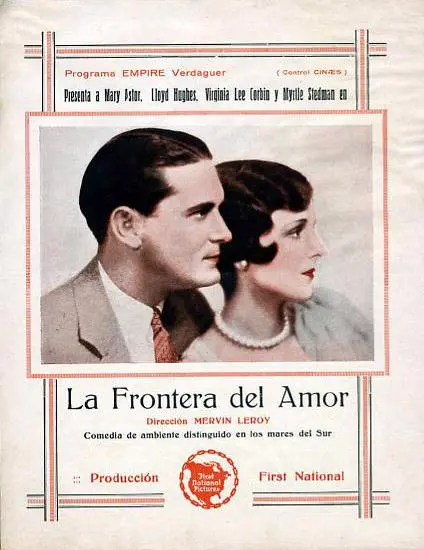
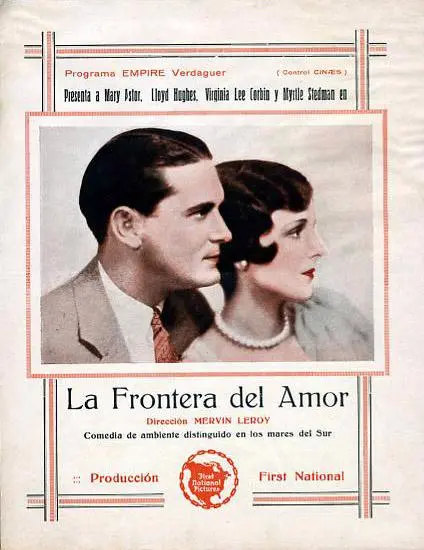
Is 'No Place to Go' a forgotten silent era treasure deserving of rediscovery in today's crowded cinematic landscape? Short answer: yes, but with significant caveats that demand a particular kind of viewer.This film is an absolute must-see for ardent silent film aficionados, film historians, and those with a deep apprec...
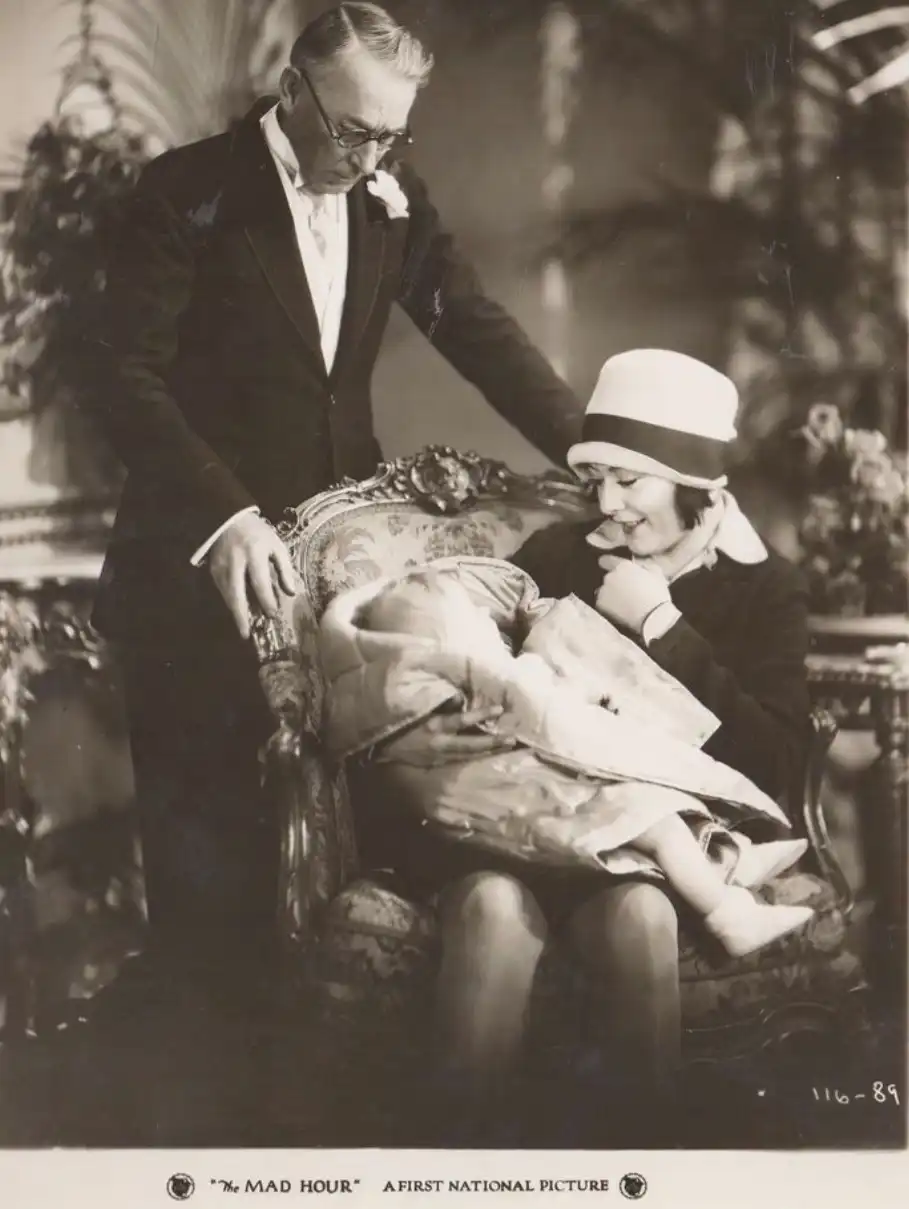
still_frame
production_art
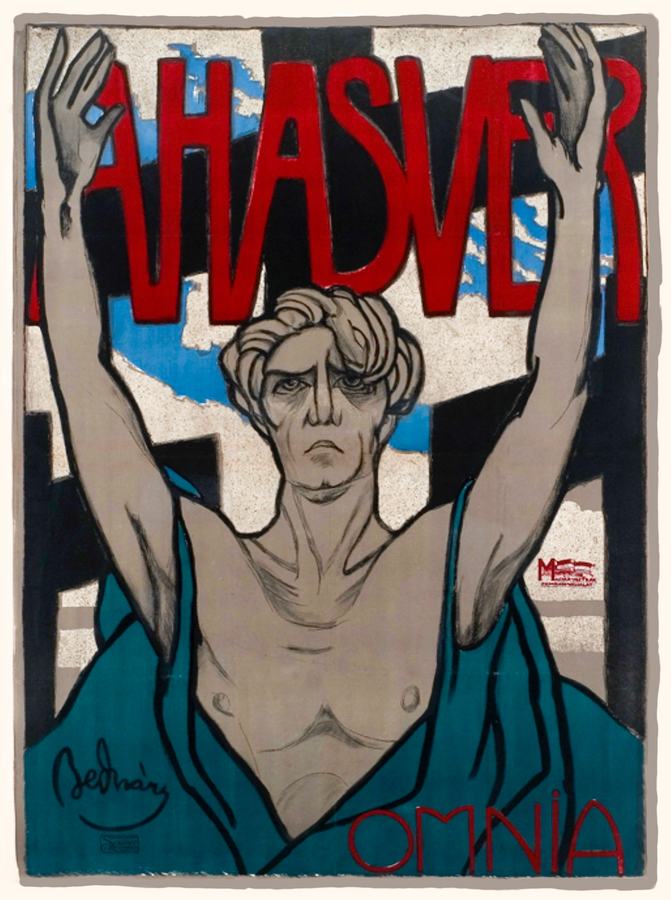
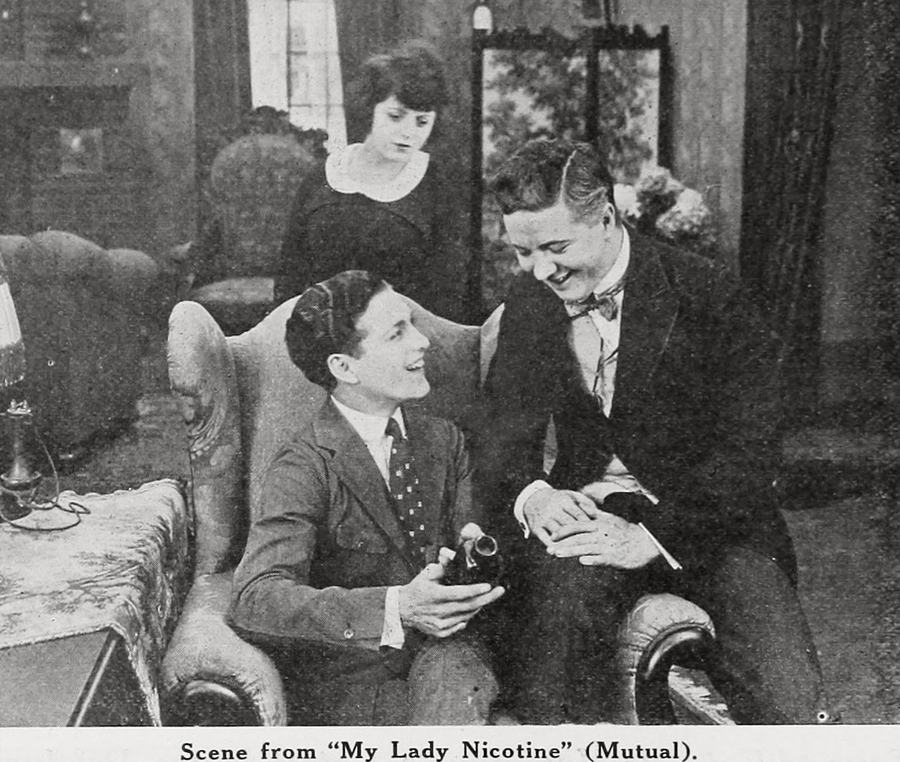
Comparing the cinematic DNA and archive impact of two defining moments in cult history.
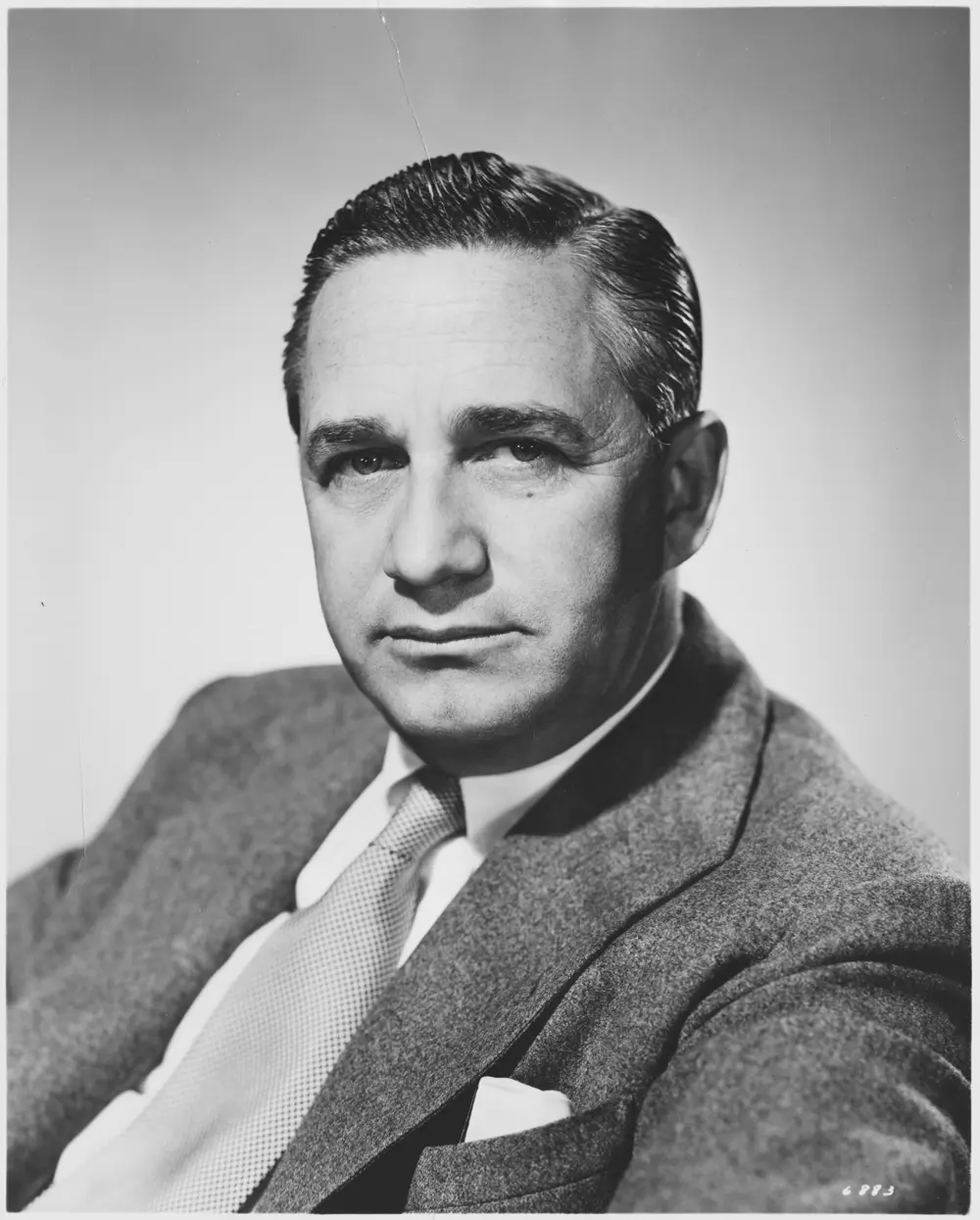
Mervyn LeRoy

Unknown Director
Community
Log in to comment.
In 'No Place to Go', a compelling silent drama from 1927, the narrative unfolds around a young woman, likely portrayed with poignant vulnerability by Mary Astor, who finds herself at a crossroads, navigating the restrictive social landscapes of the era. Her journey, steeped in the quest for personal agency and perhaps a place to truly belong, pits her against the allure of superficial charm, possibly embodied by Hallam Cooley, and the earnest, yet less glamorous, affections of a suitor like Lloyd Hughes. The film masterfully explores the internal and external pressures that leave its protagonist feeling adrift, suggesting that the 'no place to go' is not merely a physical state but a profound emotional and societal entrapment. It's a reinterpretation of a classic silent-era struggle for identity and security amidst a world offering limited choices, written by Adelaide Heilbron, Rufus McCosh, Dwinelle Benthall, and Richard Connell.
"Is 'No Place to Go' a forgotten silent era treasure deserving of rediscovery in today's crowded cinematic landscape? Short answer: yes, but with significant caveats that demand a particular kind of viewer.This film is an absolute must-see for ardent silent film aficionados, film historians, and those with a deep appreciation for the acting nuances of early Hollywood, particularly the nascent star power of Mary Astor. Conversely, modern audiences accustomed to fast pacing, explicit dialogue, and ..."
Adelaide Heilbron, Rufus McCosh, Dwinelle Benthall, Richard Connell
United States