DbcultAccessing Vault...
4.2/10
Senior Film Conservator
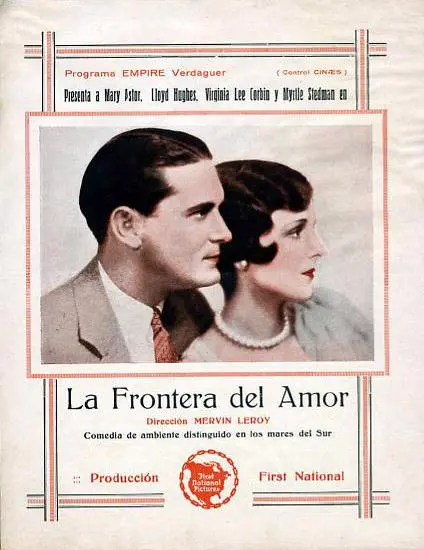
A definitive 4.2/10 rating for a film that redefined the boundaries of cult cinema. No Place to Go remains a cornerstone of transgressive art.
Is 'No Place to Go' a forgotten silent era treasure deserving of rediscovery in today's crowded cinematic landscape? Short answer: yes, but with significant caveats that demand a particular kind of viewer.
This film is an absolute must-see for ardent silent film aficionados, film historians, and those with a deep appreciation for the acting nuances of early Hollywood, particularly the nascent star power of Mary Astor. Conversely, modern audiences accustomed to fast pacing, explicit dialogue, and technologically advanced storytelling will likely find its deliberate rhythm and subtle dramatic cues challenging, perhaps even frustrating.
Let’s be direct about what this 1927 feature offers, and where it falls short.
This film works because: its raw, unvarnished glimpse into a specific historical moment; the compelling performances, particularly from its lead, Mary Astor; and its surprisingly effective, if subtle, thematic explorations of societal constraints.
This film fails because: its narrative, while earnest, can feel dated and occasionally meandering to a modern sensibility; the technical limitations of its era are sometimes starkly apparent; and it demands a patience that many contemporary viewers simply don't possess.
You should watch it if: you are a dedicated enthusiast of silent cinema, a student of early Hollywood, or someone deeply interested in the formative years of actors like Mary Astor and Lloyd Hughes, and are prepared for a contemplative rather than an action-packed experience.
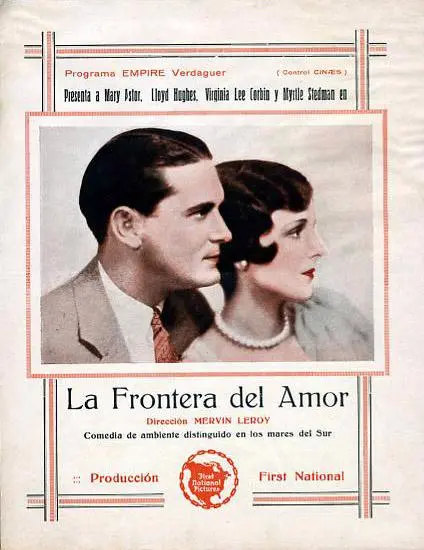
'No Place to Go' unfolds with a poignant simplicity that belies its thematic depth. While specific plot details remain obscured by time for many, the title itself, coupled with the era's common cinematic concerns, paints a vivid picture. One can easily imagine Mary Astor's character, perhaps a spirited but naive young woman trapped by circumstance, finding herself caught between the allure of superficial charm represented by Hallam Cooley's likely smooth-talking character and the earnest, if less glamorous, affections of Lloyd Hughes.
The 'no place to go' then becomes less about physical locale and more about the crushing weight of limited options, a theme startlingly relevant even a century later. It’s a narrative steeped in the quiet desperation of social immobility, a woman’s struggle for agency in a world that offered precious little of it. The writers, Adelaide Heilbron, Rufus McCosh, Dwinelle Benthall, and Richard Connell, likely crafted a tale that resonated deeply with audiences grappling with the aftermath of societal shifts and the burgeoning modern age.
This isn't merely a love triangle; it’s a commentary on aspiration versus reality, the illusion of escape, and the profound human need for belonging. The film, in its silent eloquence, likely explores how societal pressures and personal choices can converge to strip one of options, leaving a soul adrift. It’s a stark, often heartbreaking, exploration of vulnerability.
The true heart of 'No Place to Go' undoubtedly lies in its cast, particularly the burgeoning talent of Mary Astor. Even in this early role, Astor exhibits a remarkable command of the silent screen. Her eyes, often shadowed with a quiet melancholy or alight with fleeting hope, speak volumes, hinting at the depth she would later bring to iconic characters. She navigates the emotional landscape with a subtlety that transcends the broad gestures often associated with the era.
Astor’s ability to convey complex inner turmoil through a mere tilt of the head or a lingering gaze is palpable, reminiscent of her later work in The She Wolf. She grounds the melodramatic potential of the plot with an authenticity that makes her character’s plight genuinely affecting. It’s a performance that, even through the lens of nearly a century, feels remarkably modern in its emotional honesty.
Lloyd Hughes, often cast as the earnest and morally upright suitor, likely provides a steadfast counterpoint to Astor’s character. His presence often signifies stability, a stark contrast to the potential volatility or superficiality that Hallam Cooley might bring. Cooley, a fixture in these early dramas, would typically embody a characteristic blend of suave charm and underlying menace, a performance style that, while perhaps less nuanced than Astor's, serves as a vital dramatic foil, propelling the conflict and adding layers to the protagonist's dilemma.
The supporting cast, including Frances Hamilton, Jed Prouty, Russ Powell, and Myrtle Stedman, would have been crucial in fleshing out the world of the film. Virginia Lee Corbin, too, would have contributed to the ensemble, each actor playing their part in constructing the social fabric against which Astor's character struggles. Their collective efforts, though perhaps less spotlighted, are essential in building the immersive, albeit silent, world of the film.
Silent cinema required a unique directorial vision, one that understood how to communicate narrative and emotion without the aid of spoken dialogue. 'No Place to Go', like many films of its era, relies heavily on visual storytelling, employing carefully composed shots and expressive intertitles to guide the audience. The director, though uncredited in the provided information, would have skillfully utilized the camera to build atmosphere and convey meaning.
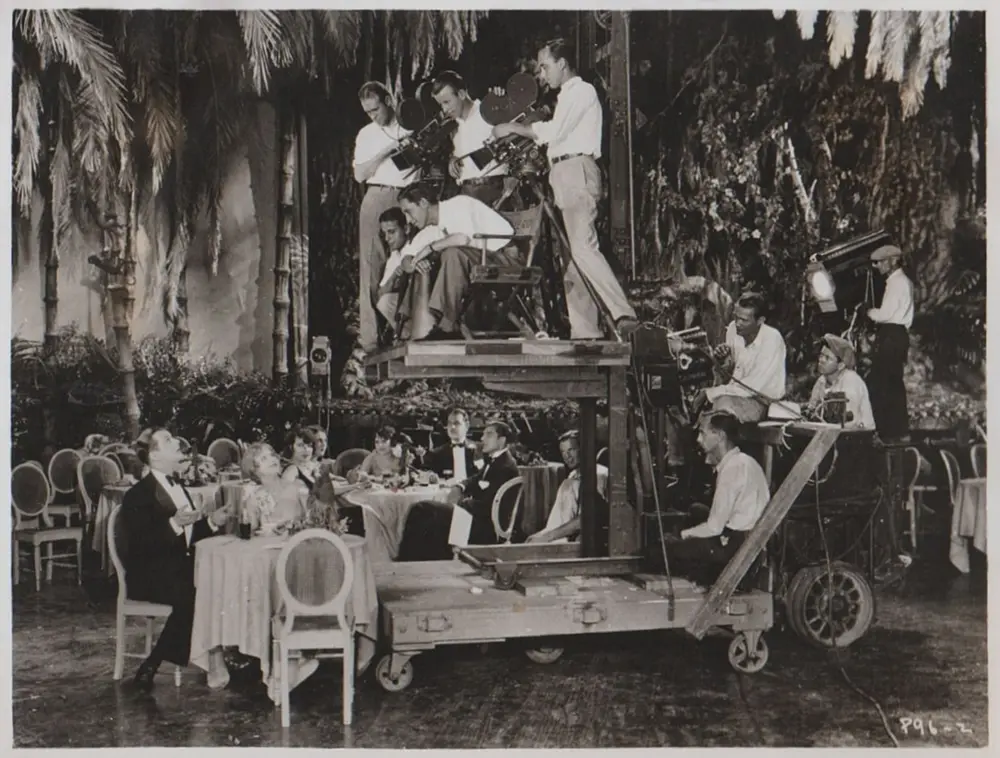
The cinematography, though limited by the technology of 1927, often achieves striking compositions. One can envision stark contrasts between dimly lit interiors, symbolizing confinement or despair, and expansive outdoor shots that hint at fleeting freedom or the vast indifference of the world. The use of close-ups on the actors' faces, particularly during moments of emotional intensity, is a recurring strength, allowing the audience to intimately connect with their silent struggles, much like in The Song of Love.
Lighting, too, would have played a crucial role, sculpting faces and environments to evoke specific moods. Shadows might deepen the sense of foreboding, while shafts of light could represent hope or revelation. The visual language of silent film, when executed well, is remarkably potent, capable of conveying complex narratives through stark imagery and the eloquent expressions of its performers. This film, by all accounts, strives for such visual poetry, using every frame to underscore its central themes.
The pacing of 'No Place to Go', typical of silent films, is undeniably deliberate. Modern viewers, accustomed to rapid-fire editing and constant narrative propulsion, might find its rhythm slow, even languid. However, to dismiss this as a flaw is to misunderstand the very essence of silent storytelling. This deliberate slowness isn't necessarily a flaw; it forces a meditative engagement, a patient absorption of visual storytelling that modern cinema rarely affords. It’s an acquired taste, certainly, but one that rewards attentiveness.
The tone likely oscillates between poignant melodrama and quiet desperation, punctuated by moments of fleeting joy or crushing disappointment. It’s a film that asks you to settle in, to observe, and to infer. The emotional beats are drawn out, allowing the audience to truly inhabit the characters' states of mind, rather than being rushed through a series of plot points. This measured approach contributes significantly to the film’s atmospheric quality and its ability to resonate on an emotional level, even without spoken words.
The film’s true genius isn't its story, which likely adheres to familiar silent-era tropes, but its accidental preservation of a societal anxiety. It captures a moment in time, a feeling of being caught, that transcends its specific narrative.
Yes, 'No Place to Go' is worth watching, but with specific expectations. It's a valuable historical document. It offers insight into early cinema. Mary Astor's performance is compelling. However, its silent film conventions require patience. Modern viewers may find its narrative slower. It’s ideal for film scholars and silent film enthusiasts. Others might struggle with its antiquated style. It provides a unique window into a pivotal era of filmmaking.
Ultimately, 'No Place to Go' is more than just a relic; it's a testament to the enduring power of silent storytelling, albeit one that requires an intentional act of viewing. It works. But it’s flawed. For those willing to adjust their expectations and immerse themselves in its unique rhythm, it offers a surprisingly resonant experience, primarily through the magnetic presence of Mary Astor.
It’s not a film for everyone, nor does it attempt to be. But for those with a genuine interest in the foundations of cinema, in the early expressions of profound human drama, and in the formative years of actors who would become legends, 'No Place to Go' offers a quiet, contemplative reward. It may not offer easy answers or a thrilling ride, but it provides a valuable glimpse into a bygone cinematic era, echoing sentiments that remain relevant today.
IMDb —
1917
Community
Log in to comment.