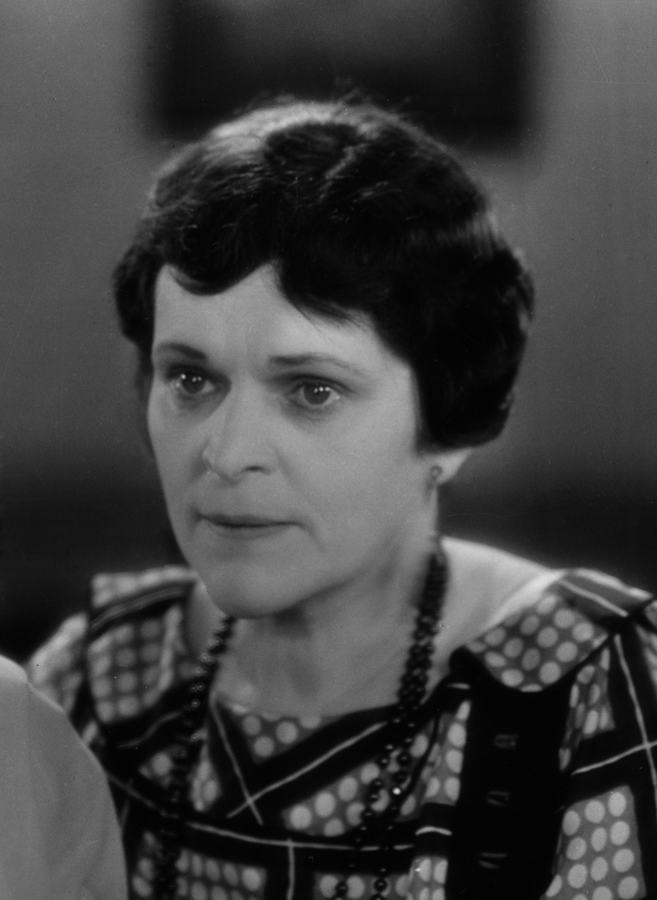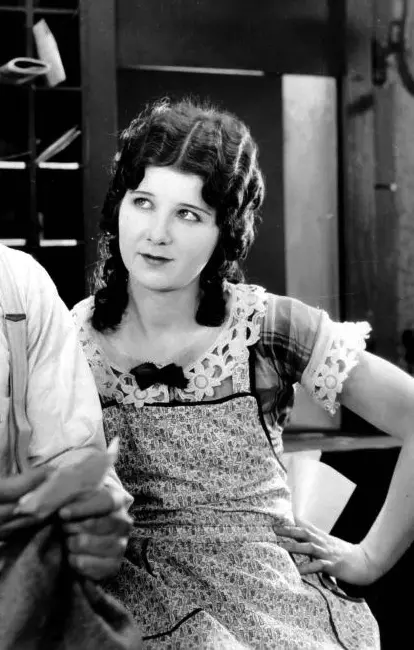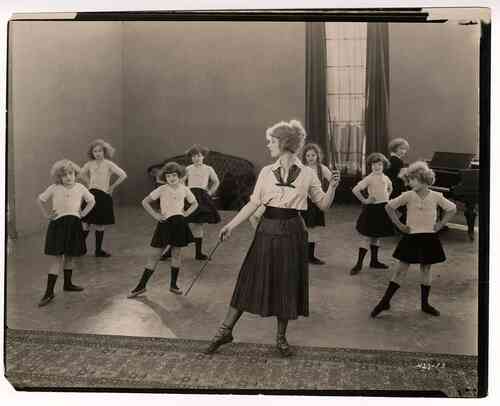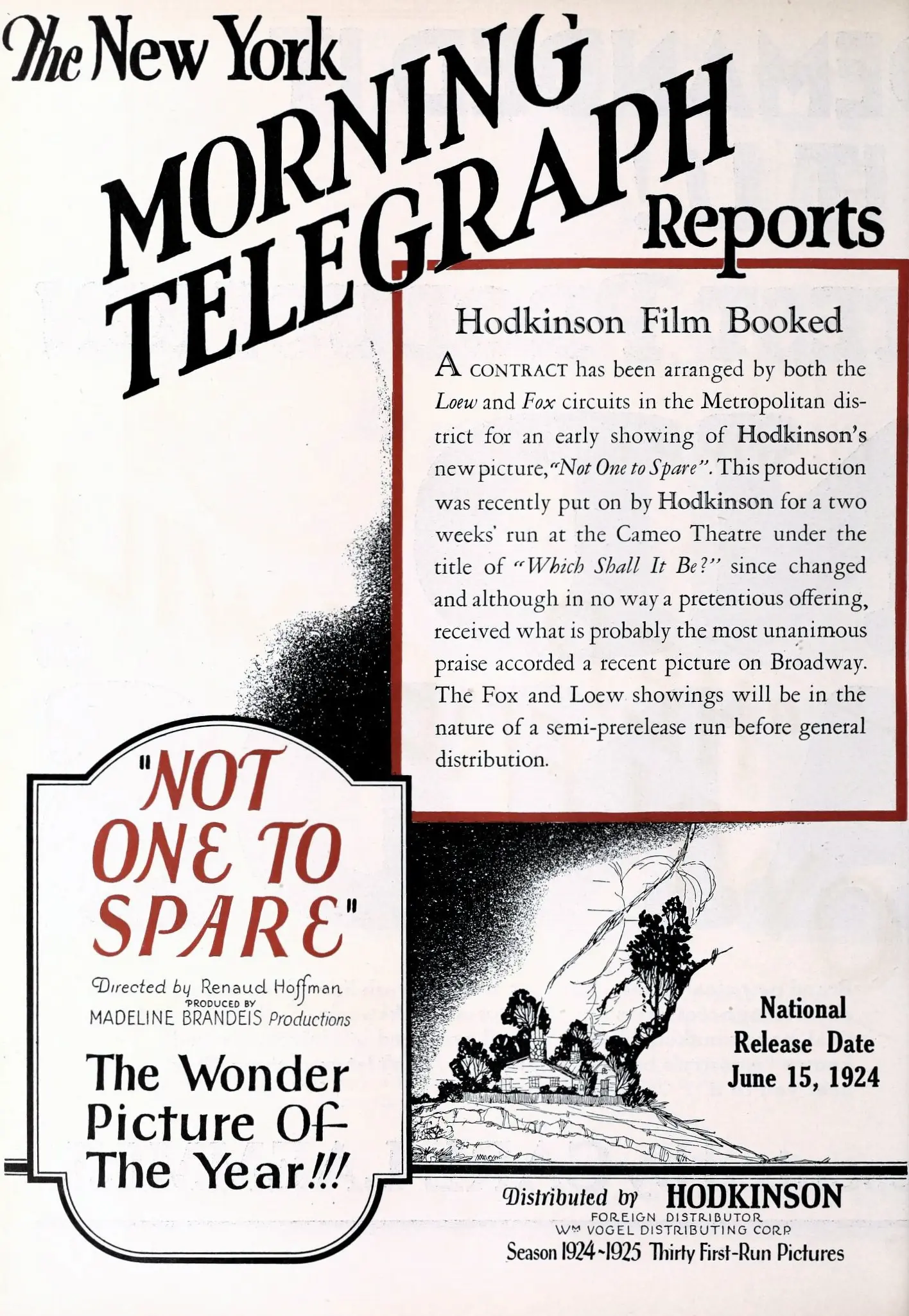
A Vermont family with seven children is presented with an offer from a wealthy relative of an estate and an allowance in return for one child, which he wishes to adopt to brighten his lonely life. After much speculation, they decide on the oldest girl, whose musical interests cannot be furthered by their limited means.
An exploration of the 1924 Renaud Hoffman classic through the lens of modern cinematic sociology.In the vast, often overlooked archives of the silent era, few films capture the intersection of agrarian struggle and emotional fortitude with the same raw, unvarnished sincerity as Not One to Spare. Released in 1924, a yea...
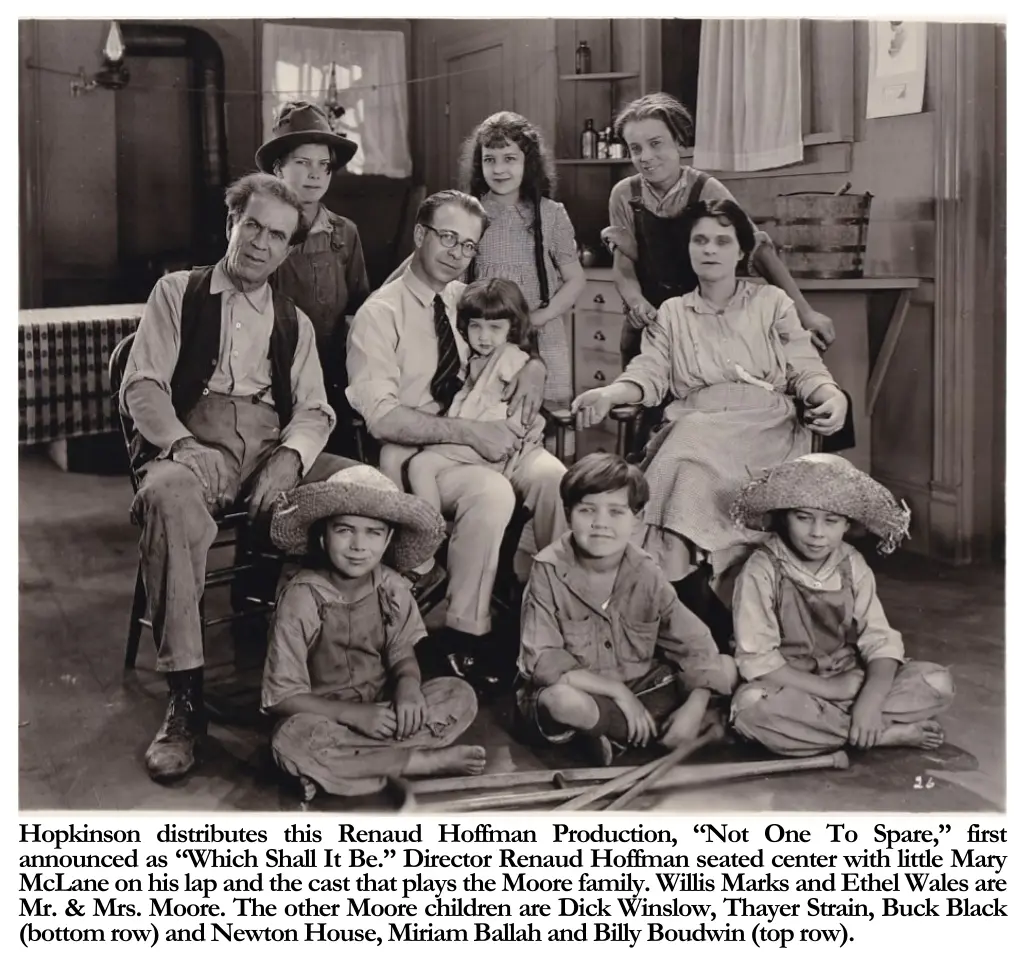
publicity
Comparing the cinematic DNA and archive impact of two defining moments in cult history.
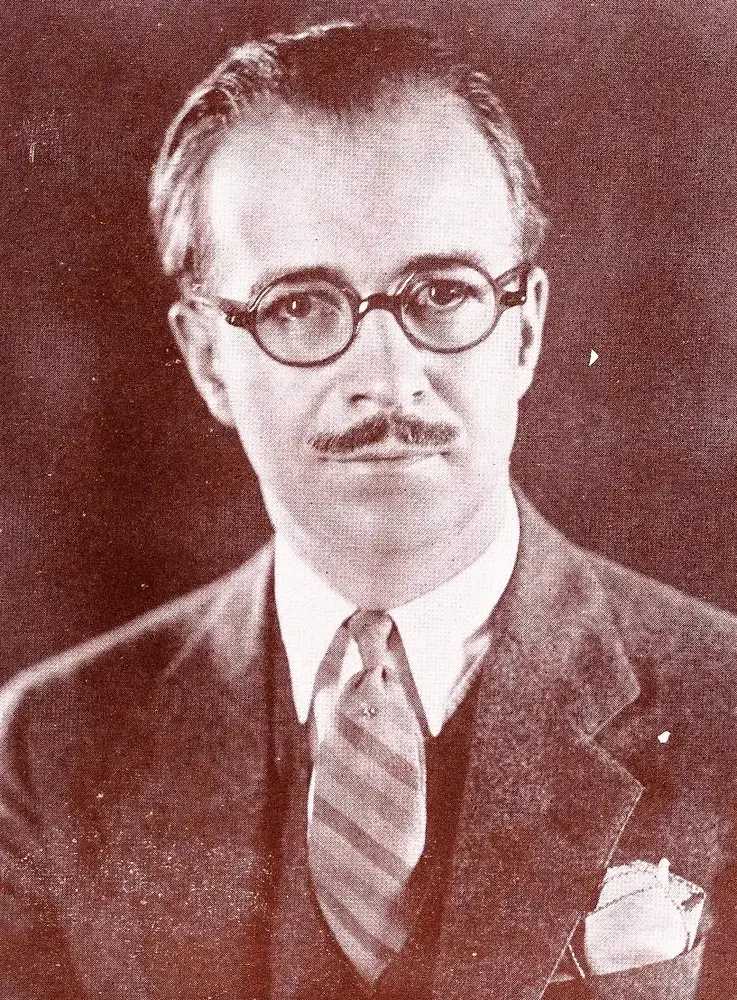
Renaud Hoffman
Dallas M. Fitzgerald
Community
Log in to comment.
"An exploration of the 1924 Renaud Hoffman classic through the lens of modern cinematic sociology.In the vast, often overlooked archives of the silent era, few films capture the intersection of agrarian struggle and emotional fortitude with the same raw, unvarnished sincerity as Not One to Spare. Released in 1924, a year characterized by a burgeoning cinematic language and a shift toward more complex domestic narratives, this film stands as a testament to the power of the intimate epic. It does n..."
Ethel Wales
Renaud Hoffman, Ethel Lynn Beers
United States
Deep dive into the cult classic
Discover similar cinematic experiences
A Directorial Spotlight on Renaud Hoffman