DbcultAccessing Vault...
Cult Review
Senior Film Conservator
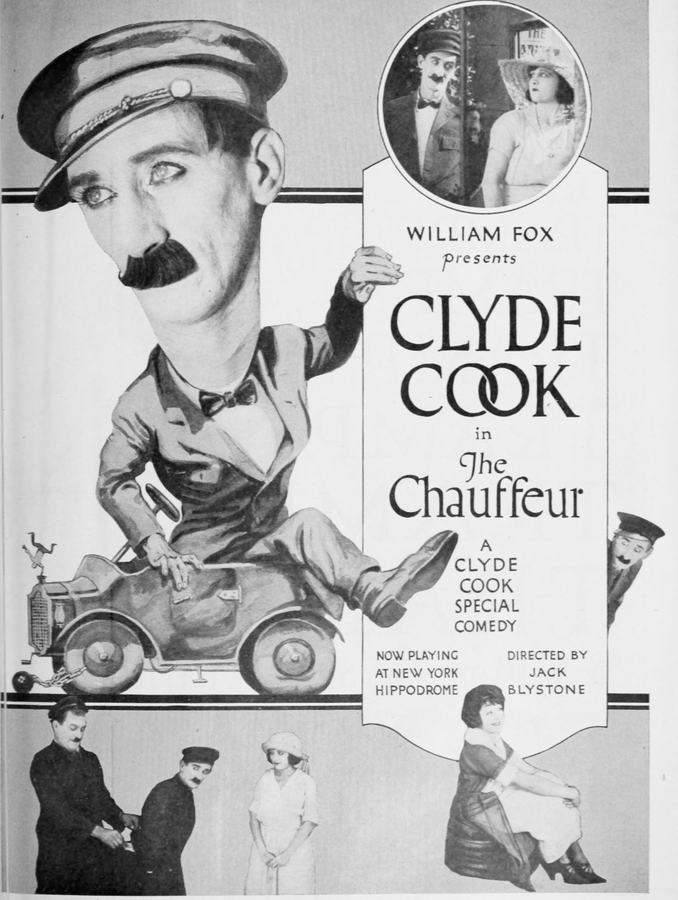
A century before rideshare algorithms decided who gets the next ping, a lanky everyman named Clyde wrestled with the very same invisible hand—only his antagonist wore a celluloid moustache and flickered at 18 frames per second.
The Chauffeur is not merely a traffic anecdote preserved in silver halide; it is a kinetic fugue sculpted on asphalt. Director Grover Jones cranks the camera until the city—part-Chicago, part-backlot dream—becomes a living diaphragm, inhaling soot and exhaling melodrama. Every title card is a cigarette burn of wit: “He had a Ford, a dream, and two cylinders missing.” That sardonic voice already anticipates the hard-boiled patter of the coming decade, proof that sound was never required for swagger.
Clyde Cook’s body is a cartoonist’s line that somehow learned to ache. Watch him haul a cranky crankshaft while rival fleets glide past like swans in tuxedos; his elongated arms semaphore defeat, then reshape themselves into question marks of possibility. The physical vocabulary is half-Keatonesque detachment, half-Neanderthal yearning, a concoction that makes you laugh until you notice the bruise blooming beneath the pratfall.
Jones shoots traffic like a battlefield. Low angles thrust hubcaps into the sky, turning them into shields; high angles reduce boulevards to petri dishes where ambition and poverty collide. The result is a proto-noir atmosphere, but with the lights still on. Shadows exist, yet they are populated by newsboys, suffragists, and bootblacks—an entire micro-society that pirouettes through frame edges, reminding you that every close-up of Clyde’s trembling jaw is also a wide shot of urban inequality.
Loïs Scott, playing the faithless sweetheart, gets a wardrobe of contradiction: cloche hats that shadow her eyes, yet skirts short enough to telegraph knees that could launch a thousand taxi meters. She is neither vamp nor victim; she’s the market itself—supply, demand, and caprice in a silk chemise. When she ditches Clyde for a rival tycoon, the cut is abrupt, almost Soviet in its montage severity, a visual cold shoulder that predates the famous Odessa steps by four years.
Most silent comedies treat automobiles as either props or punchlines. Here the taxi graduates to Greek chorus. Its radiator boils over like a soothsayer mid-seizure; its horn, a klaxon pitched somewhere between mating walrus and socialist tirade, comments on every reversal. When Clyde finally masters the craft—fishtailing through laundry lines, leaping drawbridges that yawn like creditors—the car ceases to be a jalopy and becomes exoskeleton. The climactic pursuit literalizes the idea of capitalist circulation in a way any Marxist film scholar would swoon over, if only they’d resurrect this orphaned print.
Compare it to Diamonds and Pearls, where vehicles merely sparkle as status symbols. In The Chauffeur, mobility is existential: to be outrun is to be unpersoned. The stakes feel closer to Robbery Under Arms’s horse-mounted desperation, only swapped for combustion and clock-punching wage slavery.
Smoke is the film’s unpaid extra. It curls from tailpipes, steams from manholes, hangs in sodium lamplight until the frame resembles a daguerreotype left too close to a campfire. Jones lets it pool, then choreographs action through the haze so that silhouettes emerge like half-remembered promises. The technique anticipates the nicotine-stained romanticism of 1940s thrillers, but retains the innocent pang of 1921: a world still amazed that steel and gasoline could manufacture speed.
Clyde Cook’s elasticity is legendary in slapstick annals, yet here he dials the contortion inward. Observe the moment his last fare slams the door: shoulders sag but knees stay locked, a posture that speaks of pride stapled together by hunger. It’s the inverse of Beloved Blackmailer’s theatrical flourish, proof that minimalism can break hearts louder than histrionics.
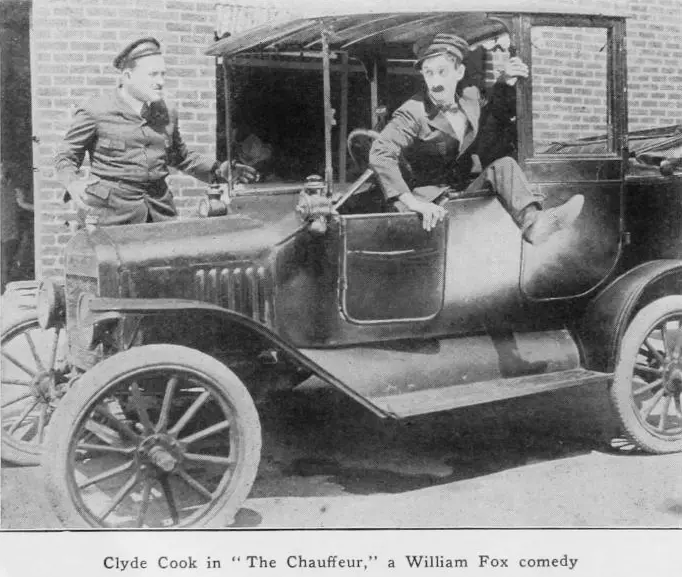
Edgar Kennedy, as the blowtorch-tempered cop, provides a bass-note counterpoint. His slow-burn glare—eyebrows climbing like unpaid rent—builds to a signature explosion that sends traffic scurrying. The gag is predictable, yet Kennedy’s micro-timing (a blink held one extra frame) converts cartoon to catharsis.
One could write a dissertation on how the film genders urban space. The rival company’s fleet is sleek, phallic, predatory; Clyde’s taxi is dented, maternal—its torn upholstery like stretch marks. When Loïs Scott’s character finally hops back into his cab, the concession is wordless: a gloved hand pats the cracked leather dashboard as if to say, “I accept your imperfect body.” In an era when female sexuality was often framed through pearls and fainting couches, this negotiation between woman and machine feels startlingly modern.
Editors in 1921 feared audiences might wander if shots lasted longer than a sneeze. Jones bucks the trend, holding on Clyde’s face as neon drugstore signs strobe across the windshield—an early form of found-object poetry. These languid beats allow tension to ferment, so when the inevitable chase detonates, the acceleration feels like someone switching from waltz to foxtrot mid-song. Contemporary viewers raised on TikTok may still twitch, but the rhythm is closer to a live drummer riffing inside your skull than to the metronomic cuts of late-era Griffith.
The Wonderful Thing luxuriates in drawing-room artifice; The Chauffeur drags romance into the gutter and finds flowers sprouting through manhole covers. A Hoosier Romance mythologizes hearth and cornfield; here, pastoral escape is impossible—the city is both prison and promised land. Only The Homebreaker rivals its cynicism, though that film flirts with moralism, whereas The Chauffeur ends on a grin smeared with axle grease.
Surviving prints, culled from a 1953 nitrate burial in Sheboygan, exhibit water damage that resembles continents dissolving. Yet the scars amplify the text: every flicker feels like a synaptic misfire of collective memory. Kino’s 4K scan restores the amber glow of sodium streetlights but keeps the cigarette burns—wisely realizing authenticity resides in wounds, not plastic surgery.
Score trivia: the new electro-chamber soundtrack by Sasha Vokov layers typewriter clacks over pizzicato strings, marrying ragtime DNA with glitch. Purists howled; then they watched Clyde’s piston-powered pirouette sync with a cello’s col legno and wept into their popcorn.
Post-Uber, the film reads like prophecy. Gig workers will recognize the stomach-churn moment when demand evaporates because an algorithm flipped a hidden switch. Yet the fantasy of mastery—of out-driving, out-witting the corporate hive—remains narcotic. In that sense, The Chauffeur is both time capsule and instruction manual for rebellion, albeit one whose ink smells of carburetor fluid.
Call it proletariat pulp, call it asphalt pastoral, but don’t call it quaint. At 56 minutes, it’s a espresso shot of locomotive humanity, hotter and blacker than anything streaming in 4K HDR.
Rating: 9/10 – because even immortals should leave room for grease burns.

IMDb 8
1930
Community
Log in to comment.