DbcultAccessing Vault...
6.3/10
Senior Film Conservator
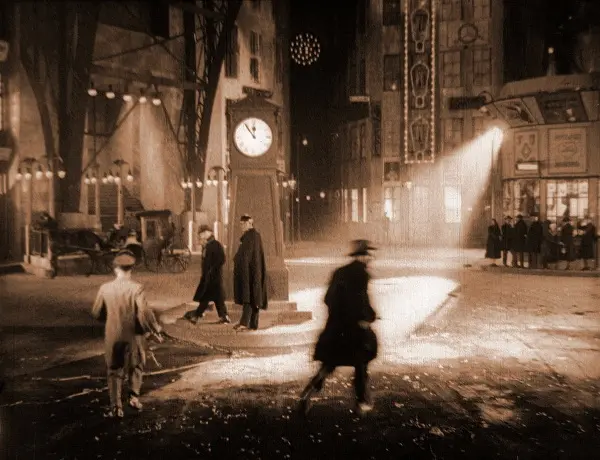
A definitive 6.3/10 rating for a film that redefined the boundaries of cult cinema. New Year's Eve remains a cornerstone of transgressive art.
To witness the 1924 masterpiece New Year's Eve (Sylvester) is to observe the moment German cinema liberated itself from the tyranny of the written word. Written by the legendary Carl Mayer, the architect of the Kammerspielfilm, this work stands as a stark, haunting pillar of silent storytelling. Unlike the sprawling epics of the era, such as Die Herrin der Welt 8. Teil, Mayer’s vision is intensely focused, distilling the human experience into a single night of domestic warfare. The film’s lack of intertitles isn't merely a technical gimmick; it is a profound commitment to the visual image as the ultimate vessel of human emotion.
The setting is deceptively simple: a bustling tavern on the cusp of a new year. Yet, through the lens of director Lupu Pick and the innovative cinematography of Guido Seeber, the bar becomes a microcosm of a fractured society. We see the German proletariat, depicted with a gritty verisimilitude that avoids the sanitized sentimentality found in contemporary works like The Right to Be Happy. Here, the beer flows not as a symbol of joy, but as a numbing agent against the existential dread of the Weimar Republic. The revelers are a churning mass of humanity, their laughter sounding—even in silence—like a desperate scream.
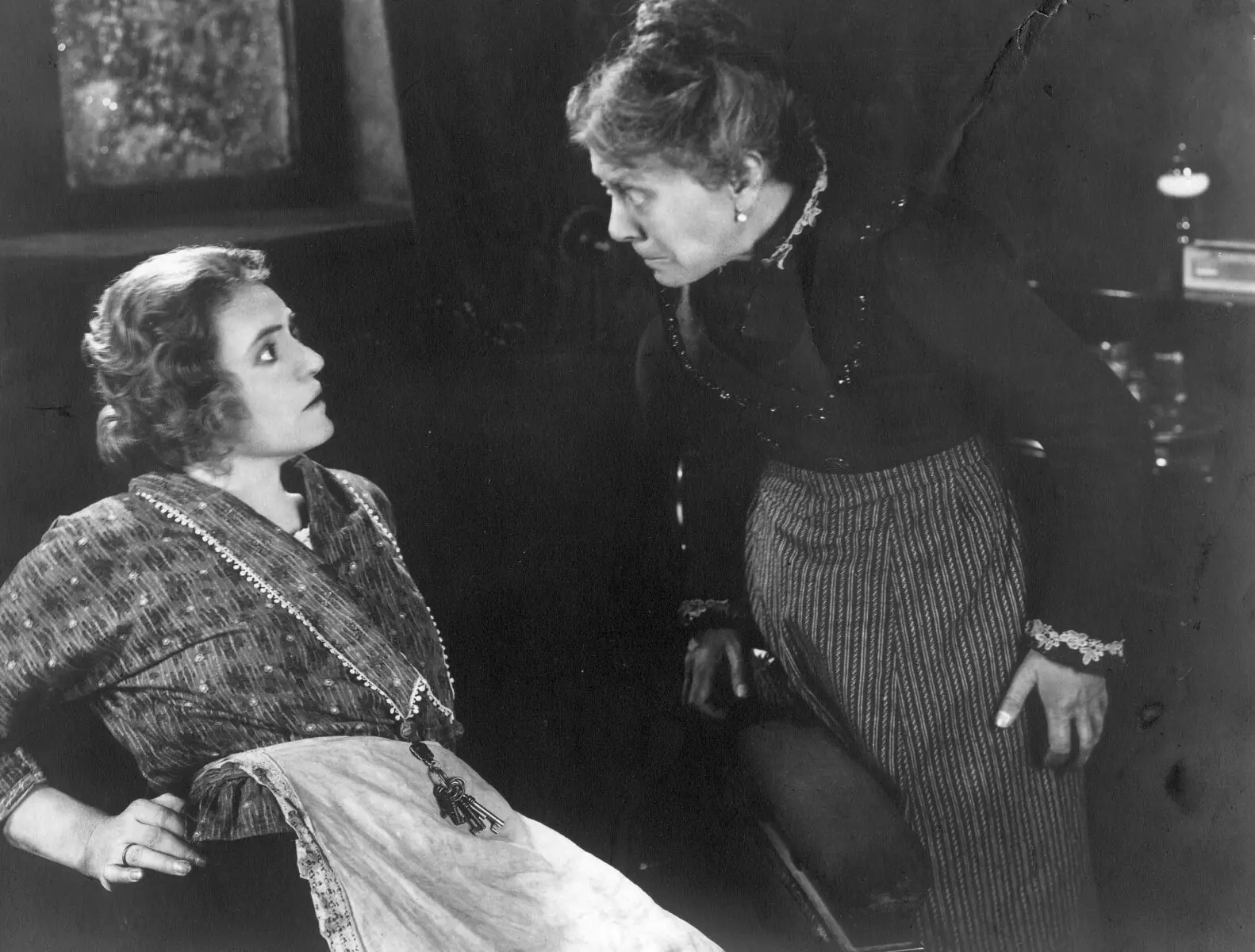
Technically, New Year's Eve is a precursor to the fluid camera movements that would later define The Last Laugh. The camera doesn't merely observe; it prowls. It glides from the chaotic, smoke-filled public room into the stark, suffocating private quarters of the owner. This spatial dichotomy is central to the film’s tension. While the crowds outside are celebrating the passage of time, the characters inside are being crushed by it. The owner, played with a heavy, tragic physicality by Eugen Klöpfer, is caught in a pincer movement between two formidable women: his wife (Edith Posca) and his mother (Frida Richard).
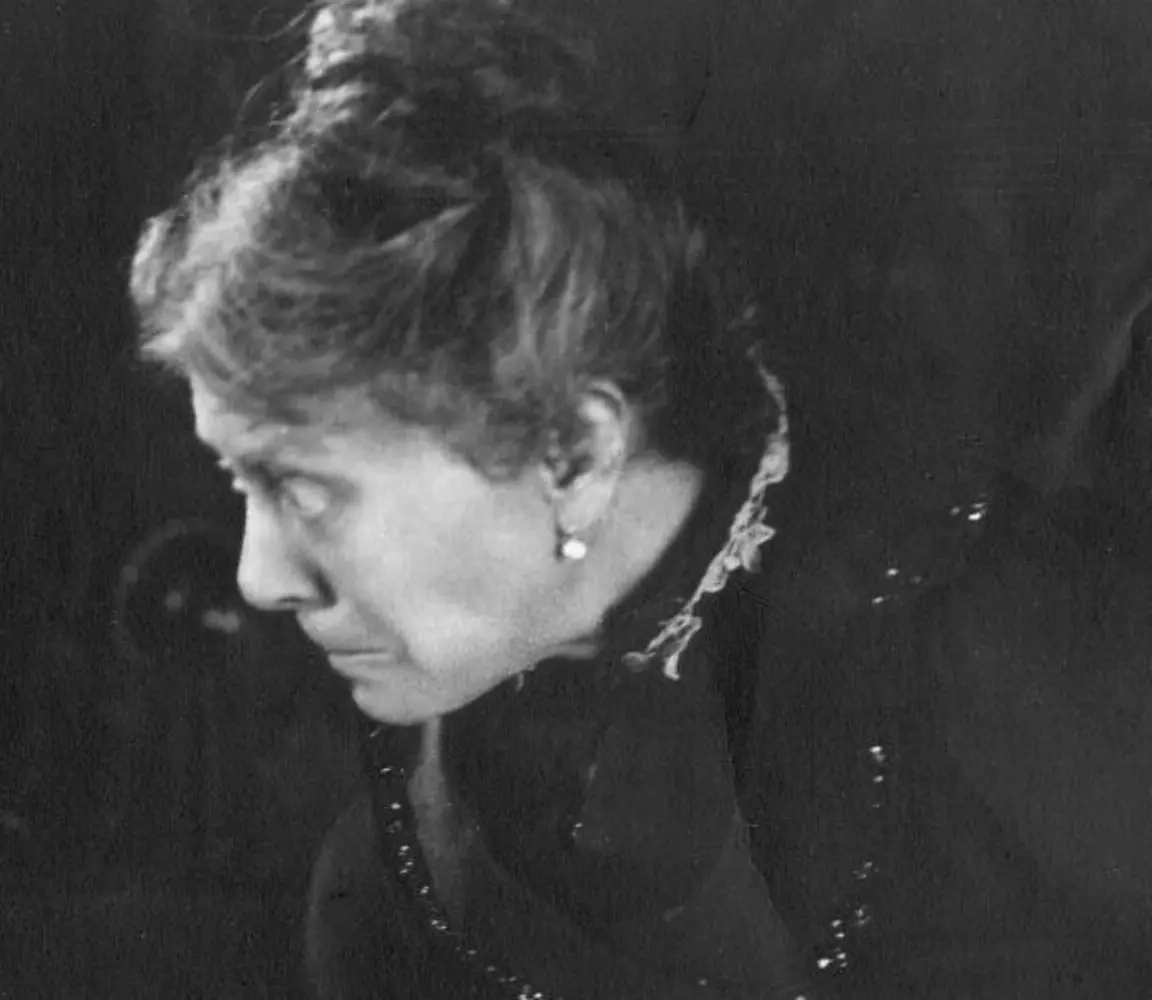
The arrival of the mother is treated with the gravity of a gothic haunting. Frida Richard’s performance is a masterclass in subtlety; her eyes carry the weight of decades of tradition and the possessive grip of maternal instinct. Her presence acts as a catalyst for a psychological breakdown that rivals the intensity of Some Judge. The wife, sensing an intruder in her domestic sanctuary, reacts with a territorial ferocity that is both understandable and terrifying. This isn't just a family spat; it is a collision of worlds—the old world of the mother and the burgeoning, uncertain world of the young couple.
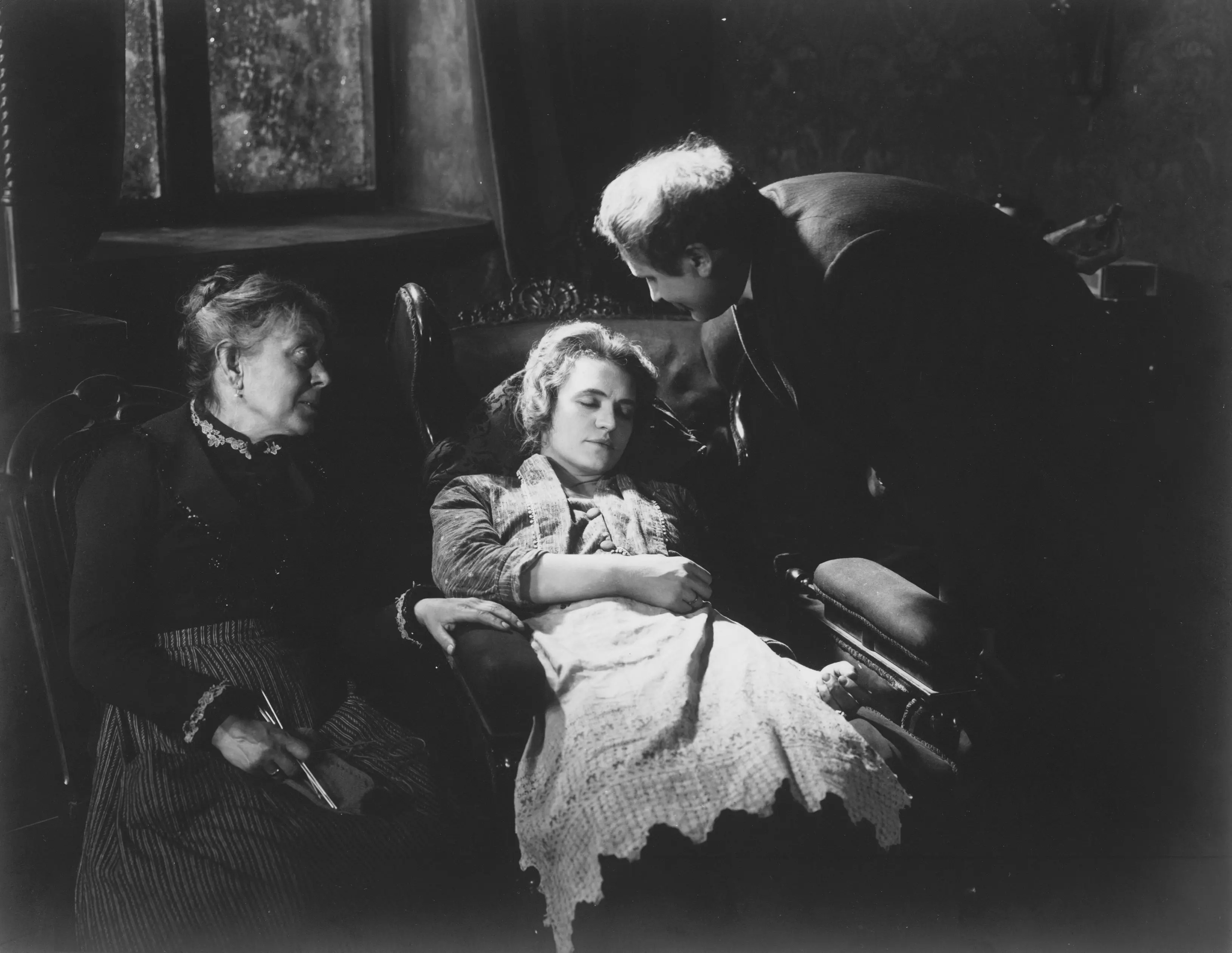
In many ways, the film functions as a social critique, though it avoids the didacticism of The Burning Question. Mayer and Pick are interested in the textures of life—the way light hits a half-empty beer glass, the rhythmic swaying of a drunkard, the agonizingly slow movement of a clock hand. This focus on the mundane elevates the story to the level of tragedy. We see the owner’s wife preparing the meal with a meticulousness that suggests she is trying to cook her way into a sense of security. The mother, meanwhile, watches with a critical, icy gaze that deconstructs every gesture.
The use of light and shadow in New Year's Eve creates a visual language of isolation. Even when the characters are in the same frame, they are separated by pools of darkness. This visual isolation mirrors the emotional state of the characters, a technique also explored in The Man Life Passed By, though here it feels more claustrophobic and inevitable. The tavern, which should be a place of community, becomes a gilded cage where the characters are trapped by their own inability to communicate.
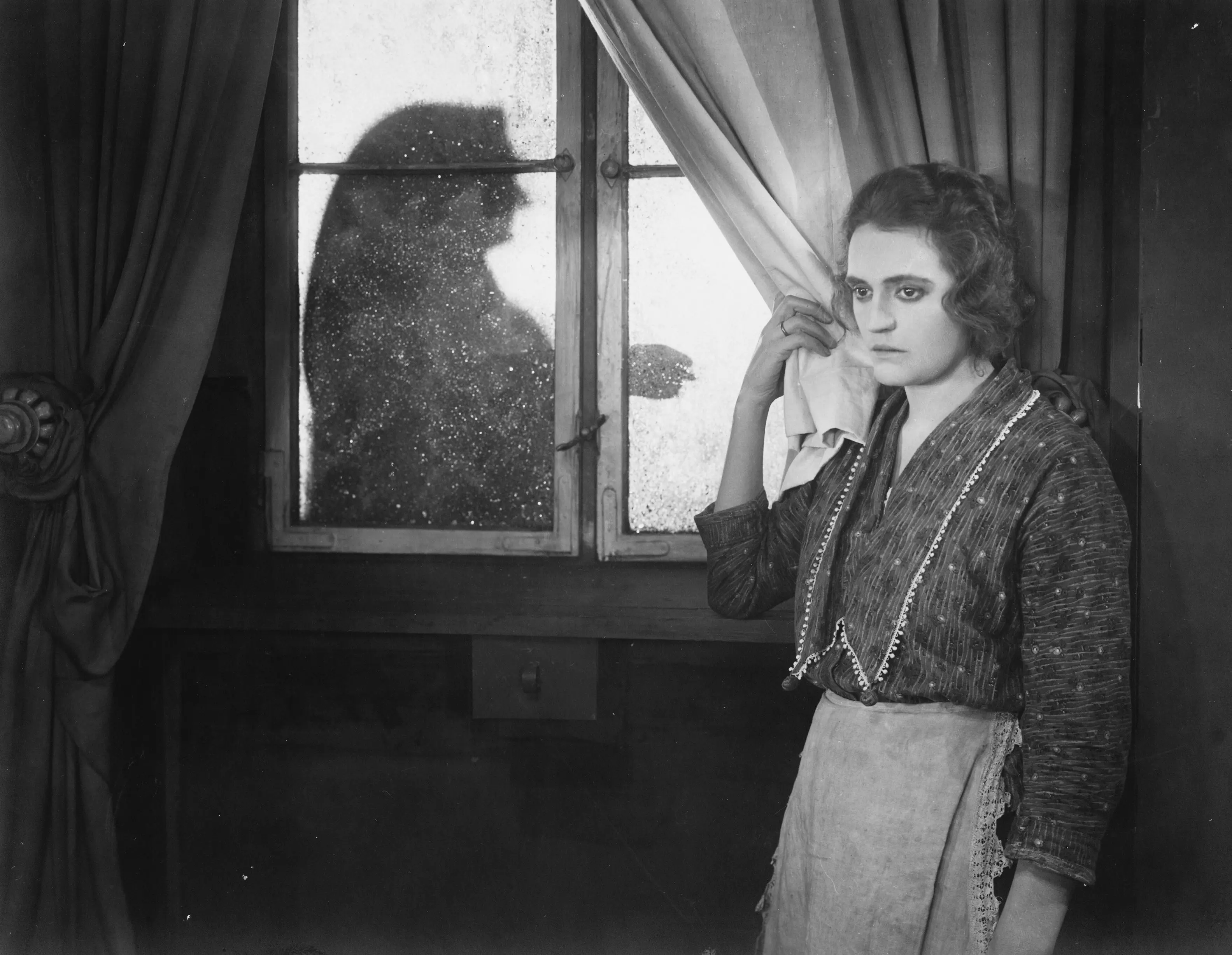
The conflict between the mother and the wife is one of the most potent depictions of female rivalry in silent cinema. It is not a rivalry for a man’s love in a romantic sense, but for his soul and his loyalty. The mother represents the past—the rigid structures and expectations that have governed German life for centuries. The wife represents a desperate attempt to carve out a new identity in the wake of the Great War. This tension is far more nuanced than the melodrama found in The Lady of the Photograph or the domestic struggles of Her Temporary Husband.
As the clock ticks toward midnight, the editing rhythm accelerates. The cuts between the raucous tavern and the silent backroom become more frequent, creating a sense of mounting panic. The viewer is caught between the desire to join the revelers and the morbid fascination of watching the family unit dissolve. It’s a rhythmic brilliance that puts one in mind of Comin' Thro' the Rye, yet the tone here is significantly darker, steeped in the pessimism of the German soul during the 1920s.
One cannot discuss New Year's Eve without acknowledging the sheer audacity of its visual composition. The set design, while realistic, is imbued with an expressionistic quality. The low ceilings and heavy wooden beams seem to press down on the actors, physically manifesting the psychological pressure they endure. This use of environment as a character is a hallmark of the era, seen in works like Der Eid des Stephan Huller, but Pick pushes it further by integrating the camera’s movement into the very fabric of the set.
The film’s climax is a devastating realization of the themes established in the opening minutes. The transition from the old year to the new brings no resolution, only a deepening of the tragedy. It suggests that time is not a healer, but a relentless force that exposes the cracks in our lives. This bleak outlook stands in stark contrast to the more optimistic resolutions of American films like One Wonderful Night. In the world of Carl Mayer, there are no wonderful nights—only nights that we survive, or don't.
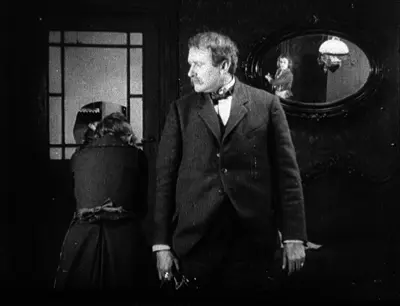
Eugen Klöpfer’s performance as the proprietor is a revelation. He conveys a man who is physically strong but emotionally fragile, a gentle giant being torn apart by the two women he loves. His face, often caught in tight close-ups, becomes a map of his internal struggle. When he looks at his mother, we see the child he once was; when he looks at his wife, we see the man he wants to be. This duality is central to the film’s impact. He is a waif in a man’s body, much like the characters in Waifs, struggling to find a place of safety in a world that demands he choose a side.
Edith Posca and Frida Richard are equally compelling. Their silent exchanges—glances, slight turns of the head, the way they handle a plate of food—carry more weight than pages of dialogue. They embody the social codes and hidden rules of the time, much like the themes explored in The Social Code, but with a visceral, animalistic edge. The wife’s desperation to protect her home and the mother’s stubborn refusal to let go create a friction that eventually ignites into a fire that consumes them all.
In the pantheon of silent cinema, New Year's Eve is often overshadowed by the more visually flamboyant The Cabinet of Dr. Caligari or the epic scale of Metropolis. However, its influence is arguably more profound. It proved that cinema could be a purely visual medium, capable of exploring the deepest recesses of the human psyche without the aid of literature. It is a film that demands much from its audience; it requires a level of attention and empathy that is rare in modern viewing. To watch it is to be transported to a specific time and place, yet the emotions it evokes are timeless.
Whether compared to the ruggedness of The Brute Master or the whimsical nature of The Dreamer, Pick’s work remains singular. It is a dark, beautiful, and ultimately heartbreaking poem about the impossibility of escape. As the final shots of the film linger on the screen—the empty tavern, the morning light hitting the spilled beer—we are left with a sense of profound loss. The new year has arrived, but for these characters, the future is just a repetition of the past, only colder and more silent. It is a masterpiece of the Kammerspiel, a testament to the power of the image, and a haunting reminder of the fragility of the human heart in the face of time’s relentless march. It is, quite simply, essential cinema for anyone who wishes to understand the origins of visual storytelling.
Review by the Art Critic’s Corner. A deep dive into the shadows of Weimar cinema.
IMDb —
1917
Community
Log in to comment.