Summary
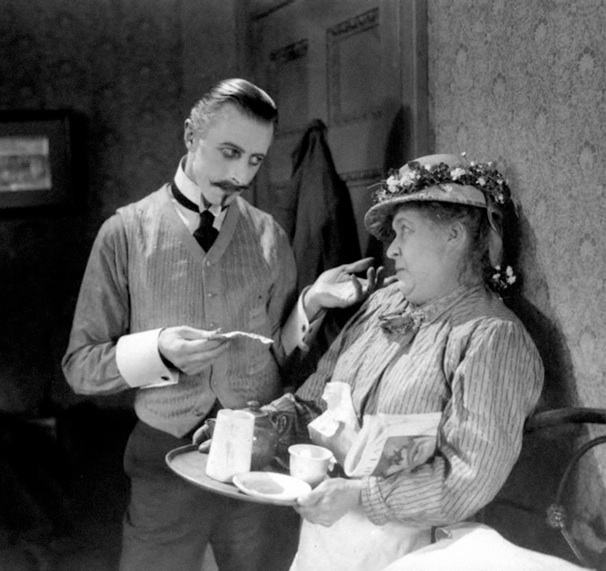
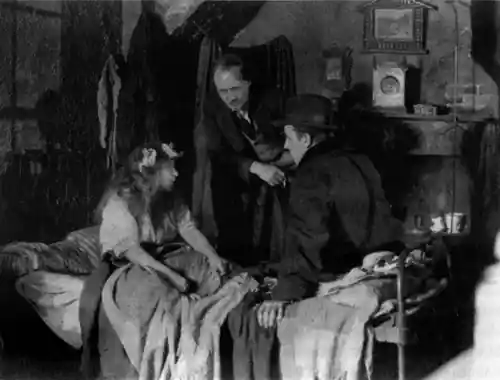
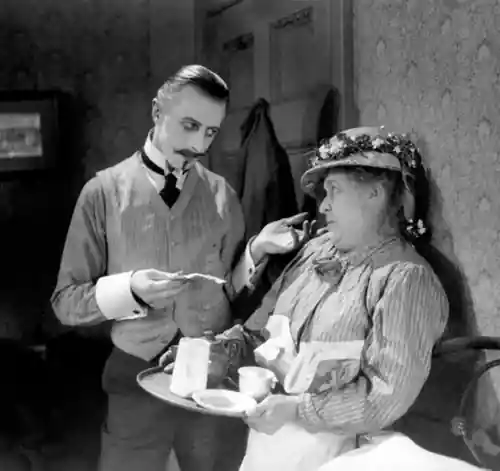
In the soot-laced twilight of a London that never quite exhaled the Victorian age, a red-brick tenement—its façade stencilled with the numeral 13 like a birthmark—rises from the fog, a monument both to philanthropy and to the exquisite cruelty of arithmetic. Inside, the Peabody Trust’s promise of affordable shelter becomes a palimpsest where the city’s most precarious souls overwrite one another’s dreams: a widowed charwoman who still folds her dead husband’s collars as if he might step back into them; a teenage laundress pinning hope to a postage stamp she cannot afford; a watchmaker whose own pulse stutters like the rusted escapement he carries in his waistcoat; and a retired music-hall conjurer who keeps sawdust in his shoes to remember the roar of applause. Their corridors echo not with plot, but with the osmotic dread that the rent-collector’s knock might arrive before the kettle boils. When a newborn vanishes from a fifth-floor cradle, the building itself seems to inhale, shrinking each garret until wallpaper blossoms with damp flowers shaped like accusation. Ernest Thesiger’s reclusive linotype compositor—gnarled fingers forever stained Oxford-blue—believes the child was traded for a single sovereign that now glints beneath the floorboards; Clare Greet’s matriarchal charwoman hoards coal under her bed like black diamonds, convinced the infant was pawned to stoke someone else’s winter. Over seven sooty dawns, the stairwell becomes a confessional: whispers spiral upward, past the communal lavatory where a cracked mirror returns only fragments of faces, past the attic where pigeon wings brush against unpaid bills. Anita Ross’s screenplay refuses the narcotic of closure; instead it scrapes the patina off charity itself, exposing the iron bolt of paternalism that fastens do-gooders to the desperate. By the time the Trust’s inspectors arrive—white gloves already flecked with travel dust—the missing baby has metastasized into every absence these tenants ever swallowed: lost wages, lost fathers, lost Sundays. The final shot frames the front door ajar, number 13 askew, as if the house were shrugging off both its occupants and its moral ledger, leaving only the metallic taste of unanswered mercy on the viewer’s tongue.
Synopsis
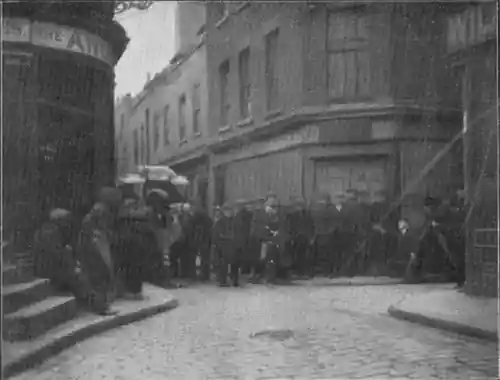
The story was about low-income residents of a building, financed by The Peabody Trust, founded by American banker-philanthropist George Foster Peabody, to offer affordable housing to needy Londoners.
Review Excerpt
"
There is a moment—about three reels in—when the camera in Number 13 lingers on a coal scuttle left halfway up a stair. Nothing dramatic happens: no villain skulks past, no title card moralizes. Yet that scuttle, haloed by nitrate grain, vibrates with more working-class authenticity than any CGI tenement erected a century later. The object becomes totem, thesis, wound—all the more lacerating once you learn the film was bankrolled by the very philanthropic machinery it anatomizes.
The Peabody T..."