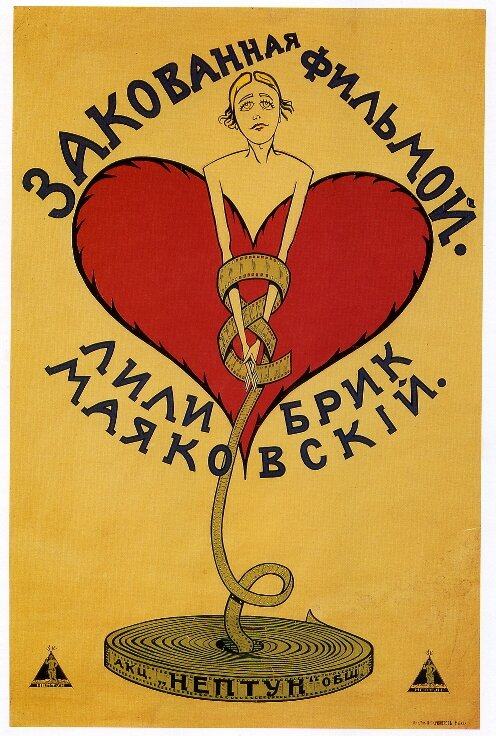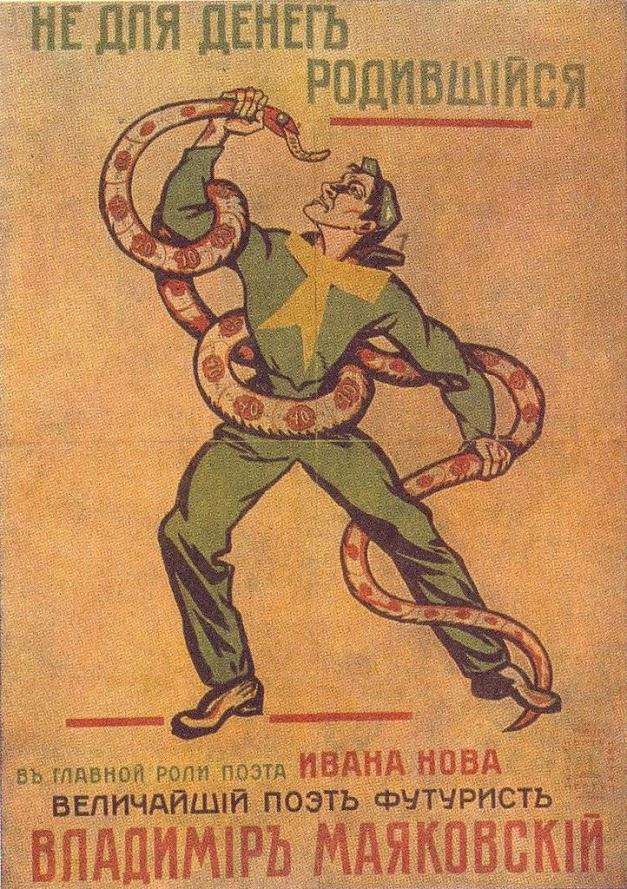
Vladimir Mayakovsky, David Burlyuk, Jack London
Russian Federation
A red flare hisses, sputters, refuses to burst—like Petrograd itself, caught between czarist frost and Bolshevik fire. The first time I saw Nye dlya deneg radivshisya it was a 9.5 mm bootleg curled inside a tin once meant for tsarist biscuits. The sprockets chattered, the shutter stuttered, and yet the screen detona...
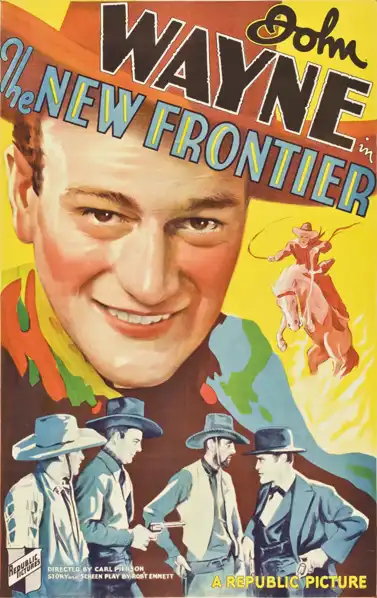
Comparing the cinematic DNA and archive impact of two defining moments in cult history.
Nikandr Turkin
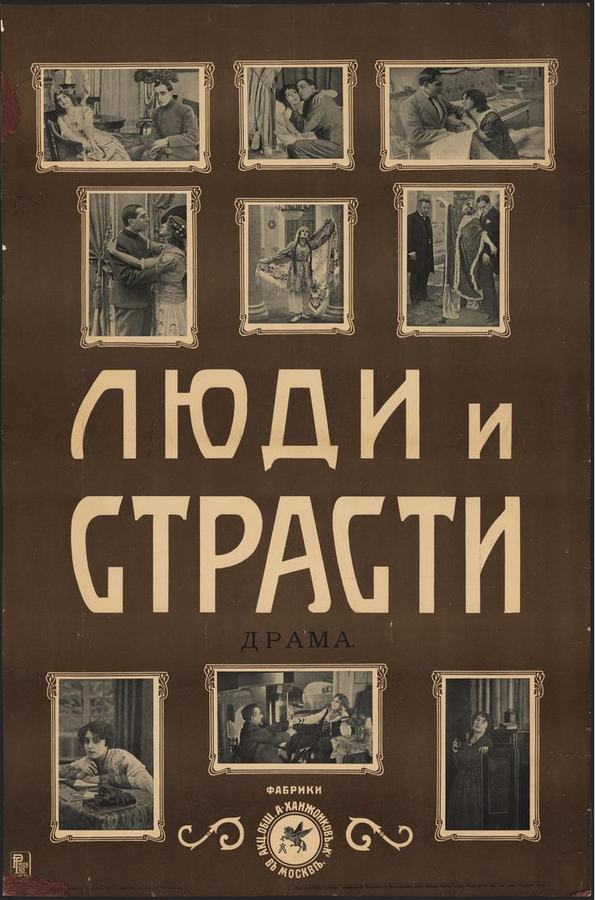
Nikandr Turkin
Community
Log in to comment.
" A red flare hisses, sputters, refuses to burst—like Petrograd itself, caught between czarist frost and Bolshevik fire. The first time I saw Nye dlya deneg radivshisya it was a 9.5 mm bootleg curled inside a tin once meant for tsarist biscuits. The sprockets chattered, the shutter stuttered, and yet the screen detonated. Mayakovsky’s coat—scarlet as a fresh wound—leapt out of the nitrate like blood on snow. No preamble, no polite exposition; the film lunges straight into the marrow of 1918, wh..."
1916 · IMDb —
Nikandr Turkin
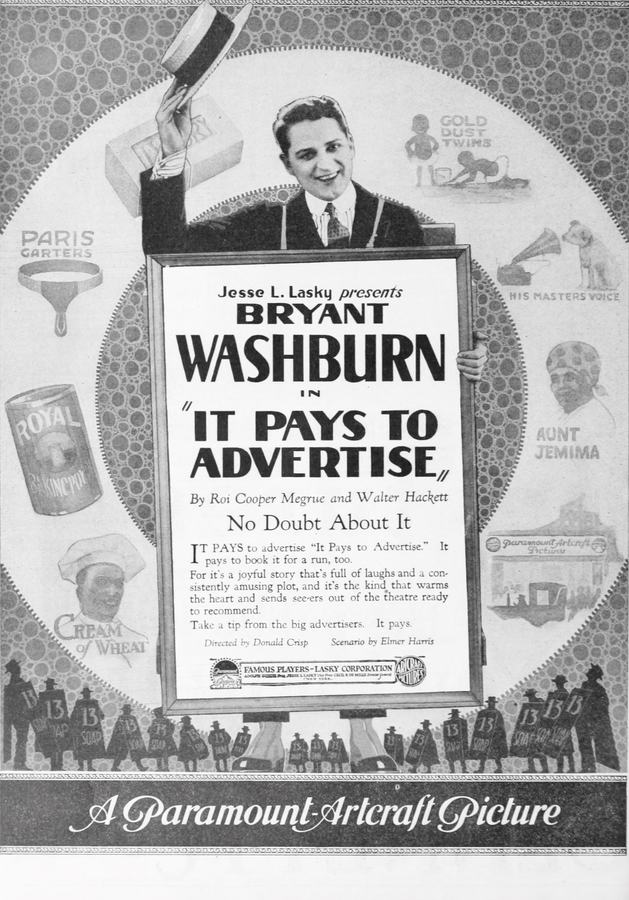
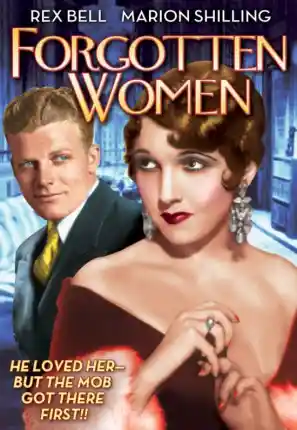
Deep dive into the cult classic
Discover similar cinematic experiences
A Directorial Spotlight on Nikandr Turkin