DbcultAccessing Vault...
Cult Review
Senior Film Conservator
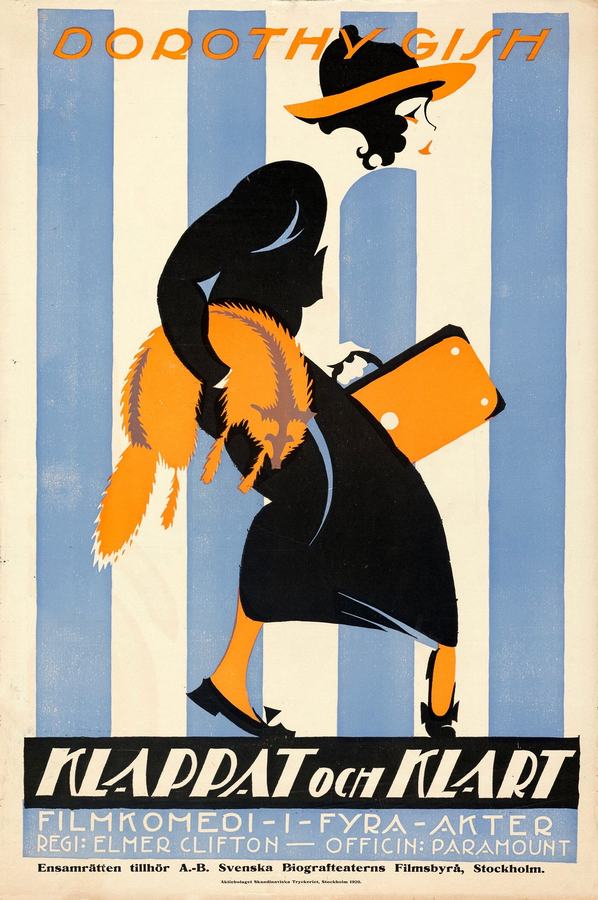
Step back in time to an era when stories unfolded through expressive gestures, poignant glances, and the evocative power of a piano score. “I’ll Get Him Yet,” a cinematic artifact from 1919, emerges from the silent film archives not merely as a relic, but as a surprisingly resonant exploration of themes that continue to echo through modern romance. Directed with a delicate hand and brought to life by a stellar cast led by the incomparable Dorothy Gish, this film delves into the perennial conflict between love and lucre, proving that genuine affection often demands a rejection of the superficial. It’s a tale as old as time, yet rendered with a freshness that speaks volumes about the enduring human heart.
At its core, “I’ll Get Him Yet” posits a fascinating romantic dilemma. Our protagonist, portrayed with characteristic vivacity and nuanced emotional depth by Gish, is a woman accustomed to the privileges of immense wealth. Yet, her heart has been irrevocably captured by a man whose integrity is as unyielding as his principles. This gentleman, played by the stoic yet charismatic Richard Barthelmess, harbors a profound disinterest in her vast fortune. His desire is for her, and her alone, untainted by the shadow of her social standing or the weight of her inheritance. This setup immediately distinguishes the film from many of its contemporaries, where unions were often strategic alliances of families and fortunes. Here, the struggle is internal, a quest for a love so pure it actively shuns the very advantages that typically sweeten a marital proposition. It’s a bold narrative choice that elevates the story beyond simple melodrama, imbuing it with a moral and emotional gravitas.
The genius of Dorothy Gish in this role cannot be overstated. Known for her versatility, Gish navigates the complexities of her character with an astonishing blend of spirited determination and vulnerable longing. She isn't merely a “rich girl” archetype; she’s a woman caught between two worlds – the one she was born into and the one her heart craves. Her expressions, delivered with the precision of a seasoned stage actress, convey a spectrum of emotions: the initial playful confidence, the dawning realization of her suitor’s unshakeable resolve, and the eventual, heartfelt commitment to winning his affection on his own terms. Unlike the more overtly dramatic turns seen in some contemporary films like The Devil or the more comedic escapades of Persuasive Peggy, Gish here offers a masterclass in subtle, character-driven performance. Her ability to communicate inner turmoil and steadfast resolve without a single spoken word is a testament to her profound talent and her understanding of the unique demands of silent cinema. Every tilt of her head, every flutter of her eyes, every gesture of her hands contributes to a fully realized portrait of a woman in love, determined to prove her worth beyond her material possessions.
Opposite Gish, Richard Barthelmess delivers a performance that is equally compelling, albeit in a more understated manner. His character’s unwavering moral compass is the narrative’s anchor. Barthelmess embodies a quiet strength, a man whose principles are not for sale, even when presented with the allure of immense wealth and the affections of a beautiful woman. His portrayal of a man who values integrity above all else provides a compelling counterpoint to Gish’s more effervescent character. The chemistry between them is palpable, a dynamic tension born from their conflicting circumstances but united by a burgeoning, undeniable attraction. It’s a less overtly passionate dynamic than one might find in, say, Flor de durazno, but rather a slow-burn romance built on respect and the challenging of preconceived notions. Barthelmess manages to convey his character’s resolve without ever seeming cold or unfeeling; instead, his actions speak of a deep-seated desire for a love that is pure and earned, not bought. This commitment to his ideals makes him an admirable, if at times frustratingly principled, hero.
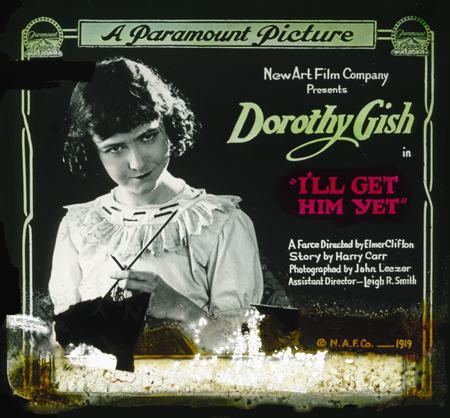
The supporting cast, while not always given the expansive screen time of the leads, contributes significantly to the film’s texture. Porter Strong, George Fawcett, Ralph Graves, Edward Peil Sr., and Wilbur Higby each play their parts in shaping the social landscape against which this unusual romance unfolds. Their performances, often relying on broad but effective characterizations typical of the era, help to contextualize the unique challenge faced by the central couple. Harry Carr’s screenplay, while adhering to certain conventions of early cinema, demonstrates a keen understanding of human psychology, particularly in its focus on the internal motivations of the characters rather than relying solely on external plot devices. The narrative arc, under the direction of an uncredited but clearly skilled hand, maintains a consistent pace, allowing the emotional beats to resonate without feeling rushed or forced. The visual storytelling, characteristic of the period, relies heavily on establishing shots, clear character blocking, and expressive intertitles to bridge narrative gaps and convey dialogue. Unlike the more action-oriented narratives of films like Danger Trail or Blue Jeans, “I’ll Get Him Yet” luxuriates in its character studies, building its dramatic tension through subtle interactions and evolving perceptions.
From a technical perspective, “I’ll Get Him Yet” offers a fascinating glimpse into the nascent artistry of filmmaking. While the surviving prints may bear the inevitable marks of time, the compositional choices, the use of light and shadow, and the overall visual grammar are remarkably sophisticated for a film of its vintage. The cinematography, though perhaps not as overtly experimental as some later silent features, is effective in framing the emotional landscape of the story. Close-ups are employed judiciously, allowing Gish’s facial expressions to command attention during pivotal moments. The editing, while straightforward, serves the narrative without drawing undue attention to itself, ensuring a smooth flow of events. The film’s aesthetic contributes to its intimate atmosphere, drawing the viewer into the personal drama unfolding on screen. There’s a certain purity to the visual storytelling, a reliance on the raw power of imagery and performance that modern cinema, with its myriad technological enhancements, sometimes loses sight of. It reminds us that the fundamental principles of compelling visual narrative were being established and refined even in these early years of the medium.
The film’s social commentary, though subtle, is undeniably present and remarkably progressive for its time. In an era often characterized by rigid class structures and the overt pursuit of material gain, “I’ll Get Him Yet” champions a more egalitarian vision of love. It critiques the notion that wealth is a prerequisite for happiness or that it should dictate romantic choices. The male protagonist’s refusal to be swayed by money serves as a powerful statement against the transactional nature of relationships that often permeated high society. This makes the film a compelling companion piece to other silent dramas that explored societal divides, such as The White Lie, which similarly navigated the treacherous waters of class and moral compromise. It suggests that true worth lies not in one’s bank account, but in one’s character and the authenticity of one’s affections. This underlying message elevates “I’ll Get Him Yet” beyond a simple romance; it becomes a quiet, yet firm, declaration of human values.
In the grand tapestry of silent cinema, “I’ll Get Him Yet” might not boast the epic scale of a Griffith masterpiece or the groundbreaking technical innovation of a later Murnau film, but its enduring charm lies in its intimate focus and timeless themes. It’s a film that speaks to the heart, exploring the universal desire for a love that is unconditional and unburdened by external pressures. Its legacy, though perhaps not as widely celebrated as some of its more famous contemporaries, is significant for showcasing the formidable talent of Dorothy Gish and for daring to tell a story where wealth is not the prize, but rather an obstacle to be overcome. It stands as a testament to the power of authentic human connection, a narrative thread that remains as relevant today as it was over a century ago. Comparing it to films like The Ragged Princess or A Perfect Lady, one finds a shared emphasis on female agency and the subversion of societal expectations, though “I’ll Get Him Yet” perhaps frames its challenge to convention with a unique romantic twist.
Ultimately, “I’ll Get Him Yet” is more than just a historical curiosity; it is a beautifully crafted piece of storytelling that continues to captivate with its simplicity and sincerity. It offers a compelling argument for the purity of love, a sentiment that resonates deeply regardless of the cinematic era. For enthusiasts of silent film, or indeed anyone with an appreciation for well-told human dramas, this film is a delightful discovery. It reminds us that the quest for genuine connection, unmarred by external considerations, is a journey worth taking, and a story always worth telling. Its gentle humor, heartfelt performances, and surprisingly modern themes ensure its place as a quiet gem in the vast landscape of early cinema, a film that, despite its age, still manages to “get” its audience with its timeless message. The film’s ability to transcend its historical context and speak to enduring human truths is its greatest strength, making it a valuable watch for anyone interested in the evolution of cinematic romance and the power of principled characters. While it may not have the grandiosity of The Brand of Cowardice or the intricate plots of Checkers, its quiet strength and emotional clarity make it a truly memorable experience.
IMDb —
1920
Community
Log in to comment.