Comedy along the lines of the French and American films, with the lead played by Nikolaos Sfakianos, who later developed into a big star of the Greek cinema in the interwar period..
Villar
Greece
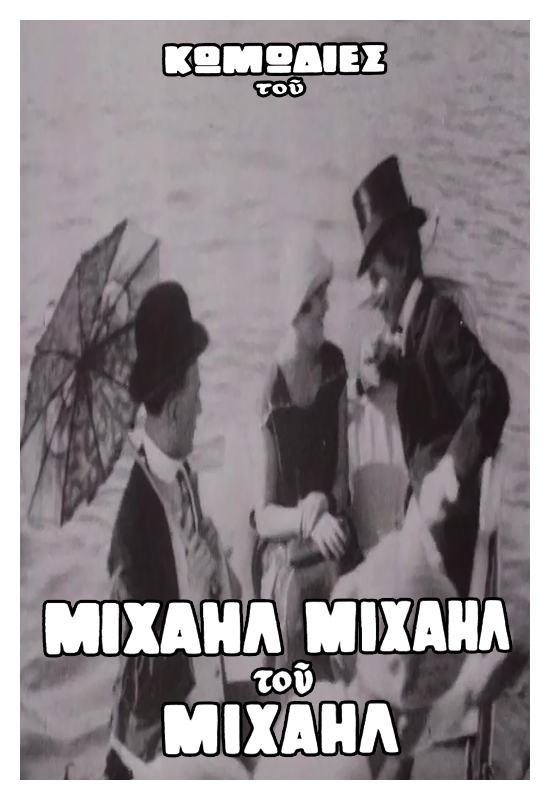
To witness O Villar eis ta gynaikeia loutra tou Falirou is to observe the very birth of the Greek comedic star system. In the early 1920s, the Hellenic film industry was a fledgling enterprise, often mimicking the sophisticated slapstick of the French and the relentless pacing of the Americans. Yet, in ...

Comparing the cinematic DNA and archive impact of two defining moments in cult history.
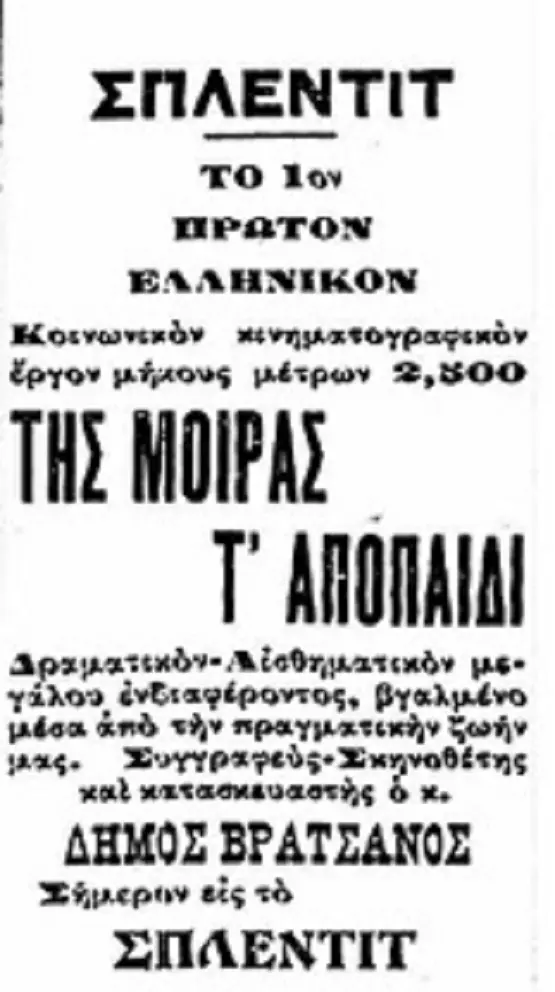
Dimos Vratsanos
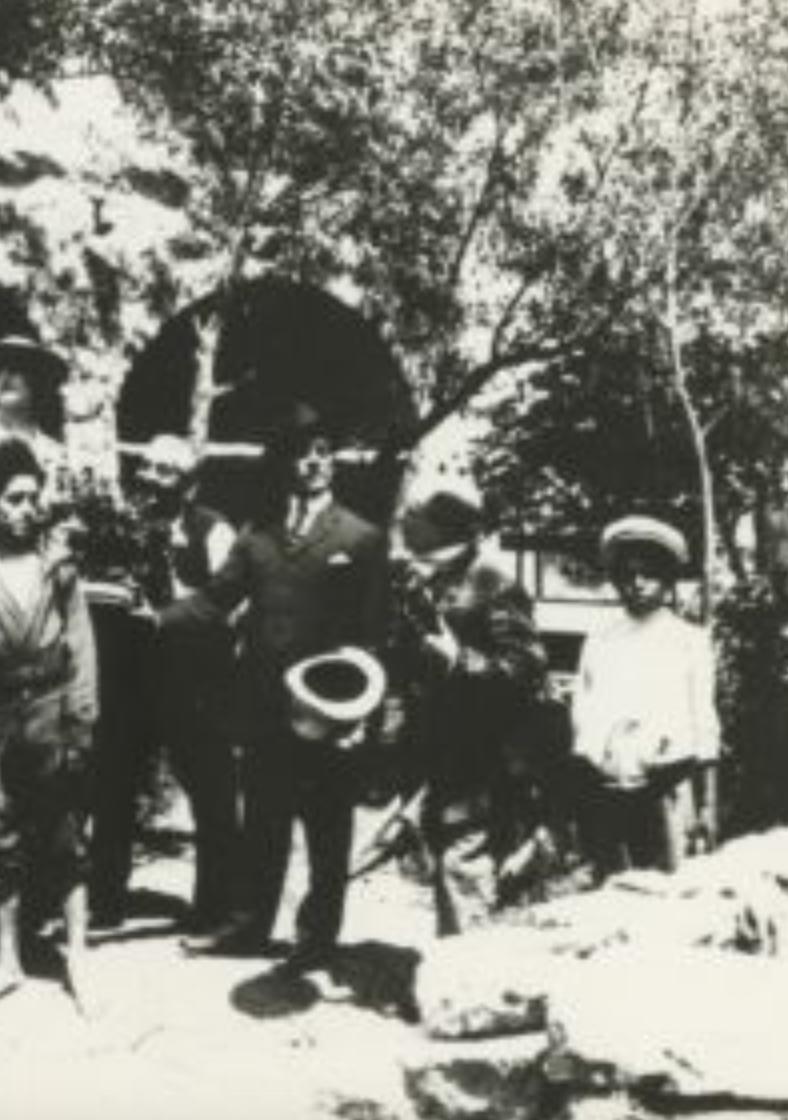
Eduardo Notari
Community
Log in to comment.
" To witness O Villar eis ta gynaikeia loutra tou Falirou is to observe the very birth of the Greek comedic star system. In the early 1920s, the Hellenic film industry was a fledgling enterprise, often mimicking the sophisticated slapstick of the French and the relentless pacing of the Americans. Yet, in the hands of Nikolaos Sfakianos, the character of Villar transcends mere imitation. This film represents a pivotal moment where local idiosyncrasies began to meld with internationa..."

Deep dive into the cult classic
Discover similar cinematic experiences
A Directorial Spotlight on Dimos Vratsanos