Summary
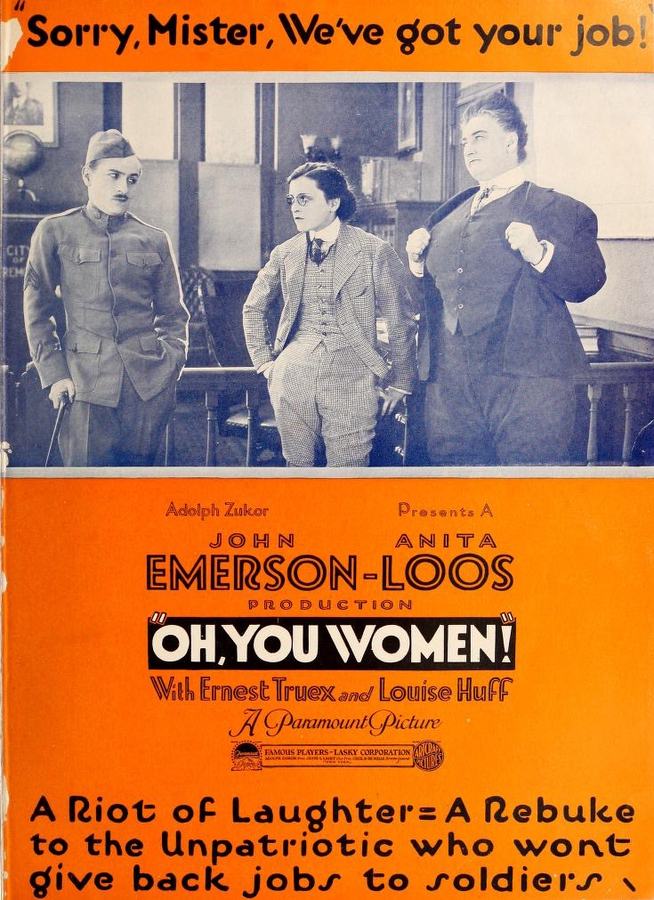
In the seemingly placid, tradition-bound enclave of Fremont, where civic life revolves around the backroom wisdom of Hobart's grocery and the gentle succession of power from Mayor Joe Bush to the amiable janitor Abraham Lincoln Jones, a nascent societal tremor is poised to erupt. Abe, a figure of innocuous appeal, finds favor amongst the town's patriarchal old guard and the fashion-forward Mary Shelby, whose dress shop, a bastion of metropolitan chic, represents a particular feminine ideal. This established harmony is dramatically punctured by the arrival of Aurora Noyes, a formidable feminist ideologue, accompanied by her intellectually incandescent daughter, Lotta. Lotta's sharp wit and progressive discourse prove an irresistible allure for Abe, eclipsing his prior affections for the more conventional Mary. The subsequent declaration of war acts as a catalyst, siphoning the town's male populace into military service. Capitalizing on this vacuum, Aurora orchestrates a swift coup, displacing Mayor Bush, and spearheads a radical social engineering project: the townswomen are persuaded to abandon their domestic spheres, embrace masculine attire, and occupy traditionally male vocations. This dramatic paradigm shift renders Mary's sartorial enterprise utterly defunct. Abe's eventual return unveils a radically reconfigured Fremont: Lotta now occupies his former station, the erstwhile male power brokers are reduced to household duties, and the women, resolute in their newfound autonomy, refuse to relinquish their professional roles or their liberated wardrobes. In a bid to reclaim the town's traditional order and his own standing, Abe initiates a mayoral challenge against Aurora. His winning strategy? A shrewd appeal to sentimentality and romantic longing, manifesting in photographic depictions of American servicemen enjoying the "charms" of French women. This visual rhetoric proves profoundly effective, prompting the townswomen to forsake their feminist convictions, reinvigorate Mary's commerce, and ultimately elect Abe, thereby restoring a familiar social hierarchy and culminating in his marriage to Mary. The film thus functions as a trenchant, if perhaps dated, social satire, charting the volatile collision between burgeoning feminist ideals and deeply entrenched patriarchal norms, ultimately questioning the durability of revolutionary change against the tide of romantic nostalgia.
Synopsis
In the town of Fremont, janitor Abraham Lincoln Jones is being groomed as the successor to Mayor Joe Bush. The old men who discuss politics in back of Hobart's grocery store like Abe, as does Mary Shelby, whose dress shop carries Vogue magazine and the latest New York City fashions. Feminist Aurora Noyes and her daughter Lotta arrive in town to politicize the women. Abe finds Lotta intellectually stimulating and loses interest in Mary. After war is declared, the eligible men in town enlist, Aurora ousts Joe, then convinces the townswomen to assume men's jobs and wear men's clothes, to the detriment of Mary's business. When Abe returns, he finds that Lotta has replaced him, the old men are doing housework, and the women will not relinquish their jobs or their clothing. He campaigns for mayor against Aurora by showing the townswomen pictures of American boys enjoying the charms of French girls. To win their men back, the women abandon their feminist ideals, patronize Mary's store, and elect Abe, who then weds Mary.
Review Excerpt
"
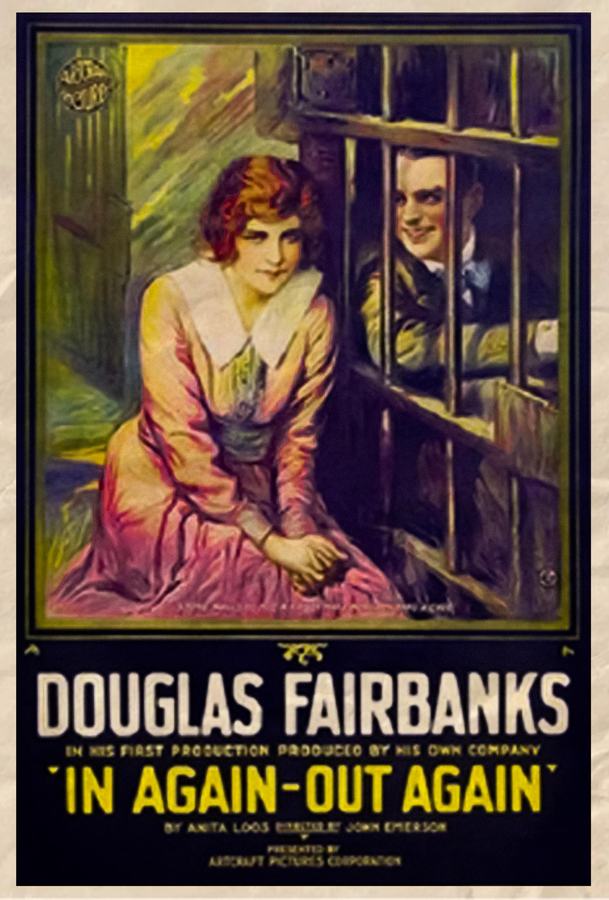
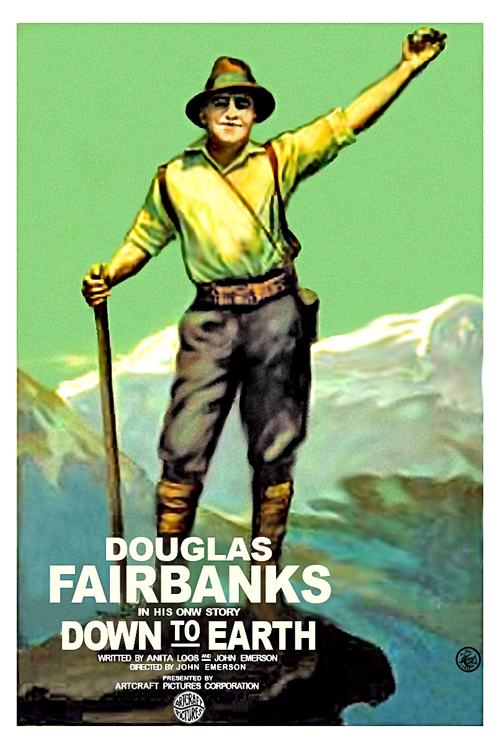
Stepping back into the cinematic landscape of 1919, one encounters Oh, You Women!, a surprisingly potent, albeit often broad, social satire that captures the anxieties and transformations of post-World War I America. This silent gem, penned by the illustrious duo Anita Loos and John Emerson, plunges us into the seemingly idyllic, tradition-steeped town of Fremont. Here, the rhythms of life are dictated by the casual wisdom exchanged at Hobart's grocery store and the gentle, almost preordain..."