Summary
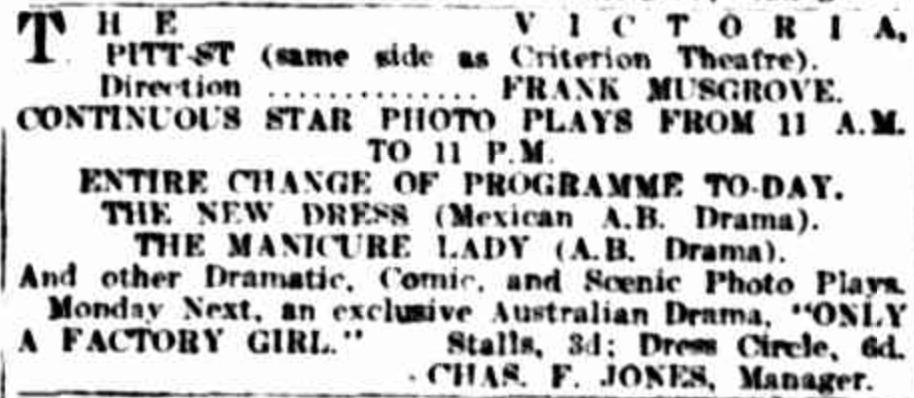
This early cinematic artifact, 'Only a Factory Girl,' meticulously charts the arduous existence of Eliza, a young woman whose spirit, though confined by the relentless churn of textile machinery in an early 20th-century industrial mill, yearns for an artistic expression beyond her station. The narrative unfolds against a backdrop of stark economic disparity, where the rhythmic clatter of looms and the oppressive atmosphere of the factory floor are a constant counterpoint to Eliza’s clandestine pursuit of sketching and design. Her days are a monotonous cycle of toil, punctuated by fleeting moments of imaginative escape, as she secretly renders intricate patterns and dream-like figures on scraps of paper. A quiet, yet profound connection forms between Eliza and a fellow worker, Thomas, a skilled but equally disenfranchised mechanic whose own silent observations of her hidden talent offer a glimmer of shared understanding amidst their shared drudgery. The film subtly explores the class divide through the distant, almost spectral figure of Mr. Abernathy, the factory owner, whose brief, paternalistic visits highlight the chasm between labor and capital. A pivotal moment arises when Eliza's artistic endeavors are inadvertently discovered, leading to a confrontation that could either crush her aspirations or, against all odds, provide an unexpected, albeit modest, opportunity for her talent to be recognized, challenging the grim fatalism often associated with her social stratum. The resolution, while not entirely escaping the realities of her environment, suggests a nascent hope, a small victory for individual spirit against systemic constraints, painting a poignant portrait of resilience and the enduring human desire for beauty in an often-unbeautiful world.
Review Excerpt
"
Stepping back into the nascent days of cinema, one encounters a fascinating array of moving pictures, many of which, like the subject of our current discourse, 'Only a Factory Girl' (circa 1911), offer far more than mere historical curiosity. This particular film, a silent testament to the burgeoning narrative capabilities of the medium, transcends its humble origins to deliver a poignant, albeit understated, commentary on the human condition within the unforgiving machinery of ear..."