Based on Shakespeare's play: The treacherous Iago plans to ruin the life of Othello by provoking him to jealousy..
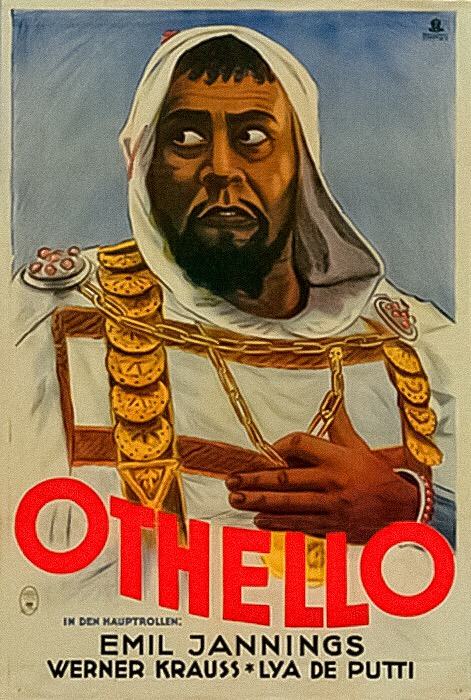
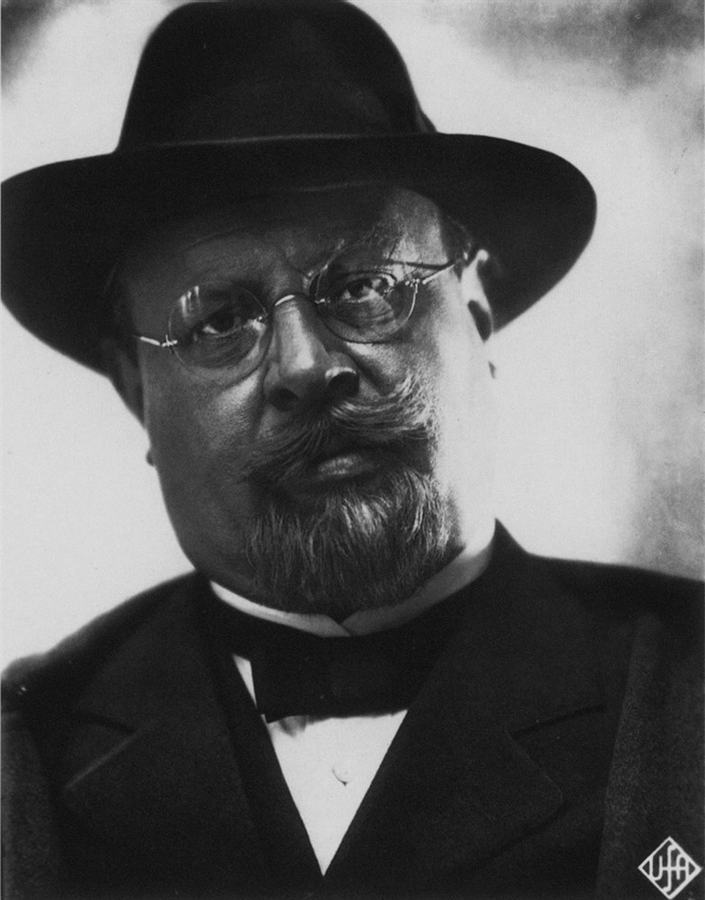
In the sepulchral hush of early Weimar cinema, where every footstep on celluloid sounds like a dirve nail into the coffin of the old order, Dimitriy Bukhovetskiy’s Othello (1922) arrives as both coronation and autopsy. The film is a cracked obsidian mirror held up to Shakespeare’s tragedy, reflecting back not the nob...
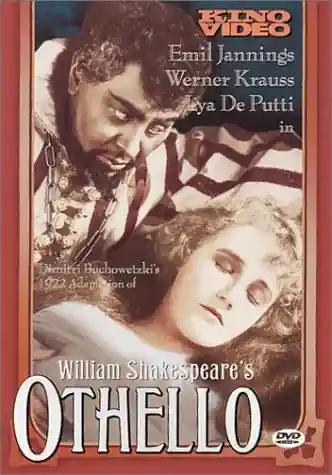
product
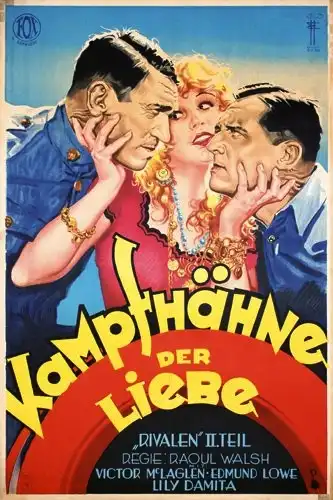
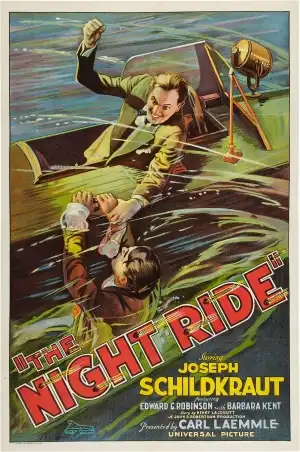
Comparing the cinematic DNA and archive impact of two defining moments in cult history.
Dmitriy Bukhovetskiy
Dallas M. Fitzgerald
Community
Log in to comment.
" In the sepulchral hush of early Weimar cinema, where every footstep on celluloid sounds like a dirve nail into the coffin of the old order, Dimitriy Bukhovetskiy’s Othello (1922) arrives as both coronation and autopsy. The film is a cracked obsidian mirror held up to Shakespeare’s tragedy, reflecting back not the noble melancholy of Verdi’s opera nor the stately declamations of Irving’s stage, but something feral—something that gnaws. Emil Jannings, that titan whose corporeal gravity seems to..."
Dmitriy Bukhovetskiy, Karl Mueller-Hagens, William Shakespeare
Germany