United States
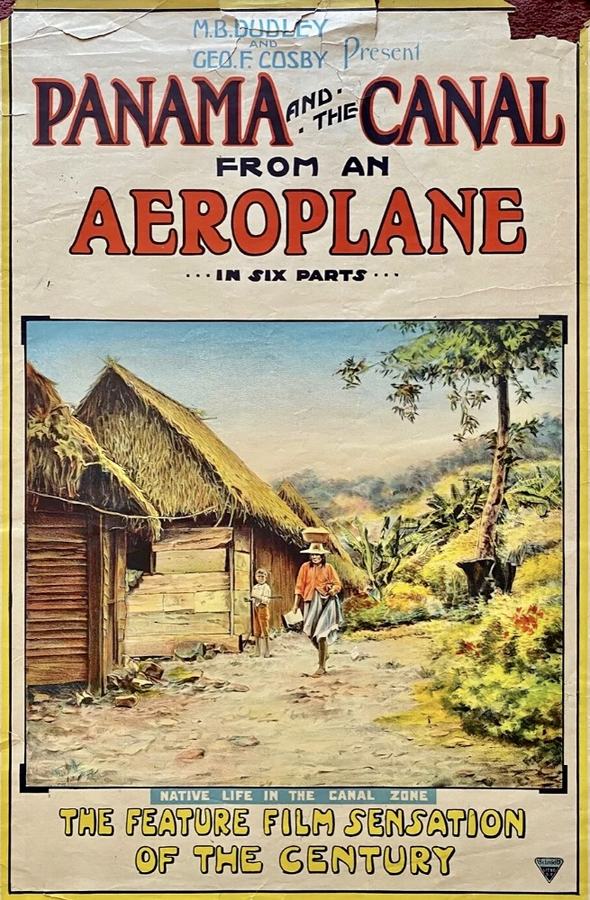
body{color:#fff;background:#000;font-family:'Segoe UI',Arial,sans-serif;}a{color:#0E7490;text-decoration:none;}a:hover{color:#EAB308;}blockquote{border-left:4px solid #C2410C;padding-left:1rem;margin:1.5rem 0;font-style:italic;opacity:.9;}Imagine stumbling upon a sun-scorched map that folds open into moving air—that is...

Community
Log in to comment.
"body{color:#fff;background:#000;font-family:'Segoe UI',Arial,sans-serif;}a{color:#0E7490;text-decoration:none;}a:hover{color:#EAB308;}blockquote{border-left:4px solid #C2410C;padding-left:1rem;margin:1.5rem 0;font-style:italic;opacity:.9;}Imagine stumbling upon a sun-scorched map that folds open into moving air—that is the jolt delivered by Panama and the Canal from an Aeroplane, a 1913 one-reel whisper now preserved on the ether of digital archives. Shot by aviation daredevil Robert G. Fowler d..."
Deep dive into the cult classic
Discover similar cinematic experiences
A Directorial Spotlight on Robert G. Fowler
