DbcultAccessing Vault...
6.6/10
Senior Film Conservator
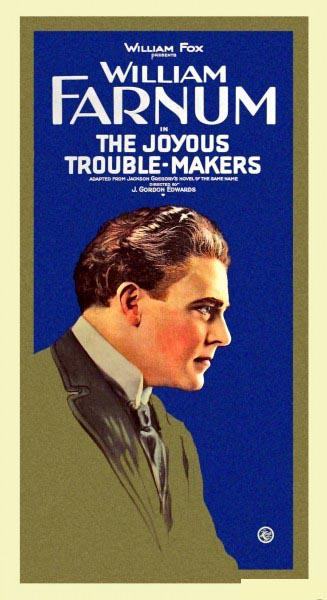
A definitive 6.6/10 rating for a film that redefined the boundaries of cult cinema. The Joyous Trouble-Makers remains a cornerstone of transgressive art.
Stepping back into the golden age of cinema, where narratives unfolded through expressive gestures, poignant glances, and the rhythm of a piano, we encounter a true gem: The Joyous Trouble-Makers. This 1920 silent film is more than just a historical artifact; it's a vibrant tapestry woven with threads of spirited romance, delightful comedy, and a surprisingly profound exploration of human connection. Directed by Charles Kenyon and penned by Jackson Gregory and Kenyon himself, it stands as a testament to the era's unique storytelling prowess, capturing the imagination with its charming leads and an engaging plot that, even a century later, retains its irresistible appeal.
The narrative unfurls with the arrival of William Steele, portrayed with characteristic gravitas and charm by the esteemed William Farnum. Steele, a successful young businessman, harbors a deep affection for a particular vacation resort, leading him to acquire it with seemingly effortless financial might. However, his smooth transaction is swiftly complicated by the formidable presence of Beatrice, brought to life by the incandescent Louise Lovely. Beatrice, a woman of fierce independence and unyielding conviction, vehemently contests the sale, asserting that the property, in fact, constitutes part of her ancestral land. This initial confrontation is not merely a legal squabble; it's an electric clash of personalities, a veritable sparks-flying encounter that immediately signals the deeper currents at play beneath the surface of their dispute. The film masterfully establishes their dynamic: Steele, the powerful magnate accustomed to getting his way, finds his path delightfully obstructed by Beatrice, whose spirit is as untamed as the wild landscapes they both claim.
Their burgeoning rivalry escalates into a peculiar wager, a charmingly improbable challenge that could only exist in the fanciful realm of silent film romance. Beatrice dares Steele to construct a cabin on the disputed acreage, promising him a home-cooked dinner as his reward should he succeed. This bet, seemingly lighthearted, cleverly serves as a catalyst, forcing these two strong-willed individuals into an intimate, if adversarial, proximity. It's a classic setup, reminiscent of the playful antagonism that often underpins the most enduring screen romances. However, the plot takes an unexpected turn, injecting a jolt of genuine peril into the unfolding drama. In a desperate, if ill-advised, attempt to secure her victory in the bet, Beatrice enlists the aid of a less-than-reputable fellow. This decision backfires spectacularly, leading to her abduction and placing her in grave danger. The shift from a lighthearted contest to a perilous predicament imbues the narrative with a thrilling urgency, transforming the film from a simple romantic comedy into an adventure of rescue and redemption. The intricate dance between ambition, pride, and unintended consequences is elegantly woven into the fabric of the story, making for compelling viewing. The initial premise, a property dispute, cleverly serves as a springboard for exploring deeper themes of connection, much like the familial and territorial conflicts that drive the narrative in The Marriage Pit, where personal stakes often transcend mere ownership.
The success of The Joyous Trouble-Makers hinges significantly on the magnetic performances of its lead actors, William Farnum and Louise Lovely, who, through their mastery of silent acting, convey a universe of emotion and intention. William Farnum, a veritable titan of the silent screen, imbues William Steele with a compelling blend of rugged masculinity and an underlying, palpable tenderness. His portrayal is a masterclass in conveying character through physicality and subtle facial expressions. Farnum’s Steele is not merely a wealthy businessman; he is a man of conviction, determination, and, ultimately, profound heroism. His initial sternness as a property owner gradually gives way to a genuine concern and then an undeniable affection for Beatrice. The transition from a shrewd, calculating individual to a valiant rescuer is handled with a nuanced grace that speaks volumes without a single spoken word. Farnum's ability to command the screen, whether in moments of quiet contemplation or heroic action, solidifies his status as a leading man of his era. His earnestness and unwavering resolve in the face of adversity are qualities that resonate deeply, much like the steadfast protagonists found in films such as The Call of the Soul, where character integrity forms the bedrock of the narrative.
Opposite Farnum, Louise Lovely shines as Beatrice, delivering a performance that is both spirited and deeply affecting. Beatrice is no demure damsel; she is a woman of formidable independence, challenging Steele with a fiery tenacity that is utterly captivating. Lovely’s expressive eyes and dynamic body language perfectly capture Beatrice’s feistiness, her moments of vulnerability, and her eventual softening as her heart opens to Steele. She embodies the archetype of the strong-willed heroine, a woman who defies societal expectations and stands her ground, even when it leads her into precarious situations. Her journey from defiant landowner to a woman in love is depicted with an authenticity that transcends the limitations of silent cinema. The range of emotions she conveys – from righteous indignation to fear, and finally to tender affection – is a testament to her skill. Beatrice’s quick wit and refusal to be easily swayed by male authority figures could draw parallels to the spirited heroines found in films like Miss Jackie of the Army, who similarly navigate male-dominated worlds with courage and charm. Even the mischievous cunning she employs in the bet, though leading to trouble, has a touch of the cleverness seen in characters from The Little Liar, albeit with vastly different moral underpinnings. The chemistry between Farnum and Lovely is undeniable, a silent dialogue of glances and gestures that elevates their characters' evolving relationship from mere plot points to a truly believable romance. Their interactions, initially marked by sharp verbal (via intertitles) and physical sparring, gradually soften into a shared understanding and mutual respect, paving the way for a deeper emotional bond.
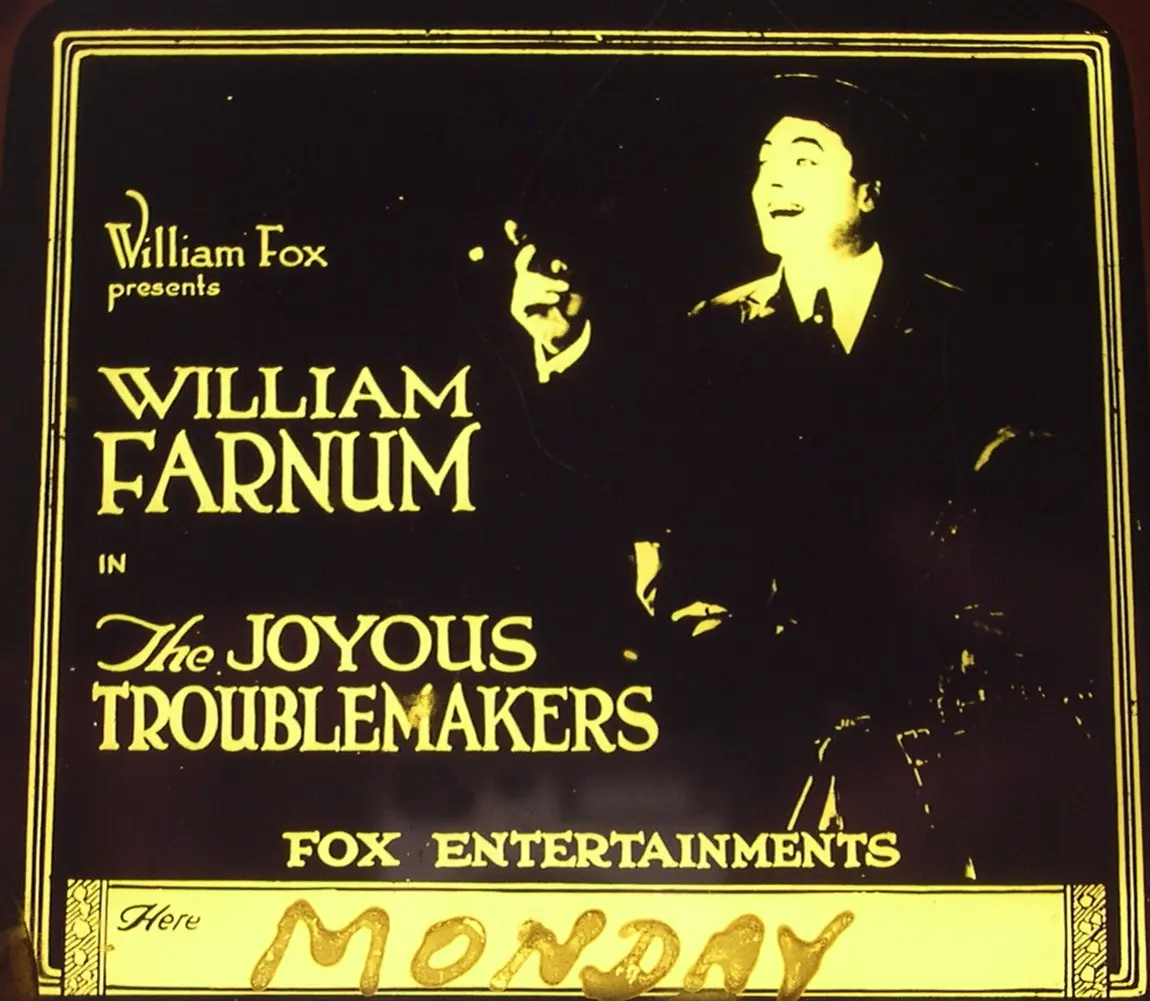
Beyond the captivating leads, the supporting cast, including Harry De Vere, Clarence Morgan, John Underhill, Al Fremont, Chiek Leyva, Molly Bishop, Sedley Brown, Claire de Lorez, Harry Archer, Henry Hebert, G. Raymond Nye, George Nichols, Earl Crain, and Pedro León, all contribute to the rich tapestry of the film's world. Though their roles might be smaller, their collective presence provides the necessary context and atmosphere, fleshing out the resort community and the various individuals who inhabit this charming, if occasionally turbulent, landscape. Their contributions, often through exaggerated expressions and physical comedy typical of the era, add depth and texture to the film, supporting the central narrative without overshadowing the radiant leads.
At its heart, The Joyous Trouble-Makers is a timeless exploration of love blossoming from the most unlikely of circumstances: outright antagonism. The initial property dispute, far from being a mere plot device, serves as a powerful metaphor for the personal boundaries and fiercely guarded independence that both William and Beatrice initially uphold. Their conflict forces them into a proximity that, while initially irritating, gradually erodes their defenses, revealing the genuine admiration and attraction simmering beneath their contentious exchanges. This transformation of rivalry into romance is a classic narrative trope, but here it feels fresh and authentic, driven by the compelling chemistry between the leads. The film beautifully illustrates how shared adversity, particularly the harrowing experience of Beatrice's abduction and Steele's heroic rescue, can act as a crucible, forging a bond far stronger and more profound than any initial attraction could have achieved. The stakes are elevated, moving beyond pride and property to genuine concern for one another's well-being.
The film also subtly touches upon themes of ownership and identity. For Beatrice, the land is not just real estate; it's an extension of her heritage and her very being, prompting her fierce defense against Steele's corporate acquisition. For Steele, the resort represents a cherished escape, a place of personal significance. Their eventual decision to combine their lands through marriage is a poignant resolution, symbolizing not just a legal merger of properties but a profound merging of lives and destinies. It's a statement that true partnership transcends individual claims, finding strength in unity. Furthermore, Beatrice's misguided decision to enlist help, leading to her abduction, offers a fascinating commentary on agency and the perils of pride. Her desire to win the bet, to assert her independence, inadvertently places her in peril, highlighting the unintended consequences that can arise from even the best-intentioned (or at least self-serving) schemes. This moment of vulnerability and betrayal is crucial, as it allows Steele to step into the role of her rescuer, an act that transcends their initial conflict and elevates their relationship to one of mutual care and protection. The transformation from antagonism to affection is a narrative journey that resonates deeply, often explored in various forms, such as the complex relationship dynamics in Obsession or the evolving understanding between characters in Romance and Brass Tacks, where initial friction often paves the way for profound connection.
The filmmaking craft in The Joyous Trouble-Makers, under the direction of Charles Kenyon and with a script co-written by Jackson Gregory, is a testament to the sophisticated visual language of silent cinema. The pacing is expertly handled, balancing moments of comedic levity with escalating dramatic tension. Kenyon's direction ensures that the narrative flows seamlessly, guiding the audience through the emotional arcs of the characters without the need for spoken dialogue. The reliance on expressive acting, body language, and carefully crafted intertitles is paramount. Each gesture, each glance, each tilt of the head, carries significant meaning, allowing the audience to fully grasp the characters' inner worlds and the nuances of their interactions. The writers' clever plot construction, particularly the initial wager and the subsequent abduction, provides ample opportunity for both character development and thrilling sequences. The setting itself – the idyllic resort and the surrounding wilderness – is effectively utilized, enhancing the story's romantic and adventurous elements. The cinematography, typical of the era, focuses on clear, well-composed shots that emphasize the actors' performances and the unfolding action, creating a visually engaging experience that holds up remarkably well.
Viewing The Joyous Trouble-Makers today offers more than just entertainment; it provides a fascinating window into the cultural and social landscape of the early 20th century. The film reflects the evolving dynamics of gender roles, with Beatrice's strong will challenging traditional portrayals of women, even as her ultimate rescue by Steele reaffirms certain romantic ideals of the time. The depiction of wealth, property ownership, and the adventurous spirit of the era are all woven into the film's fabric. It stands as a charming example of how early American cinema navigated the complexities of human relationships through engaging, often melodramatic, narratives. The blend of romance and lighthearted adventure exemplifies the kind of escapist entertainment that captivated audiences during the burgeoning years of the film industry. It's a reminder of the foundational storytelling techniques that continue to influence cinema today, demonstrating that compelling characters and a well-crafted plot can transcend technological limitations.
In conclusion, The Joyous Trouble-Makers remains a delightful and surprisingly robust entry in the silent film canon. Its enduring appeal lies in its captivating story, the stellar performances of William Farnum and Louise Lovely, and its timeless exploration of how love can bloom from the most unexpected soil. The film's ability to blend spirited comedy, genuine peril, and heartwarming romance makes it a compelling watch, even for modern audiences unaccustomed to the silent era's unique rhythm. It is a testament to the power of pure cinematic storytelling, relying on the universal language of emotion and action rather than dialogue. For aficionados of classic cinema, or anyone seeking a charming, adventurous romance with a historical twist, this film is an absolute must-see. It's a joyous journey back in time, proving that some stories, and some troubles, are indeed timelessly engaging, culminating in the most satisfying of resolutions: love triumphant.
IMDb —
1916
Community
Log in to comment.