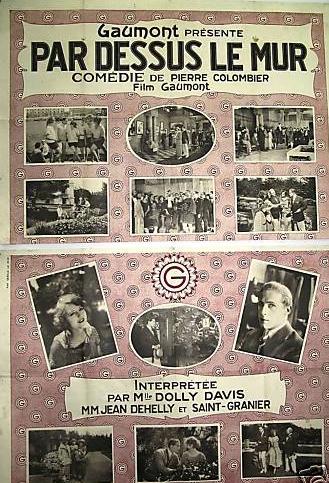
Pierre Colombier’s Par-dessus le mur (1929) is a film that demands to be seen in the hush of a dimmed room, where the flicker of light and shadow can whisper its secrets. This French silent production, often overlooked in favor of its more glamorous contemporaries, is a taut, psychological drama that uses its titular w...
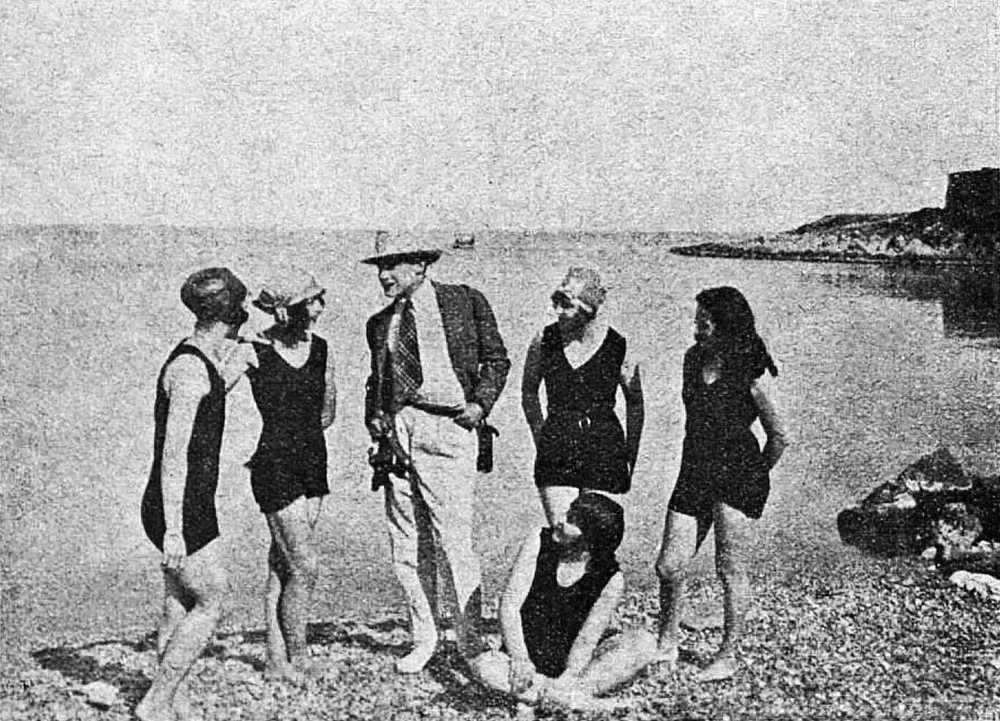
publicity

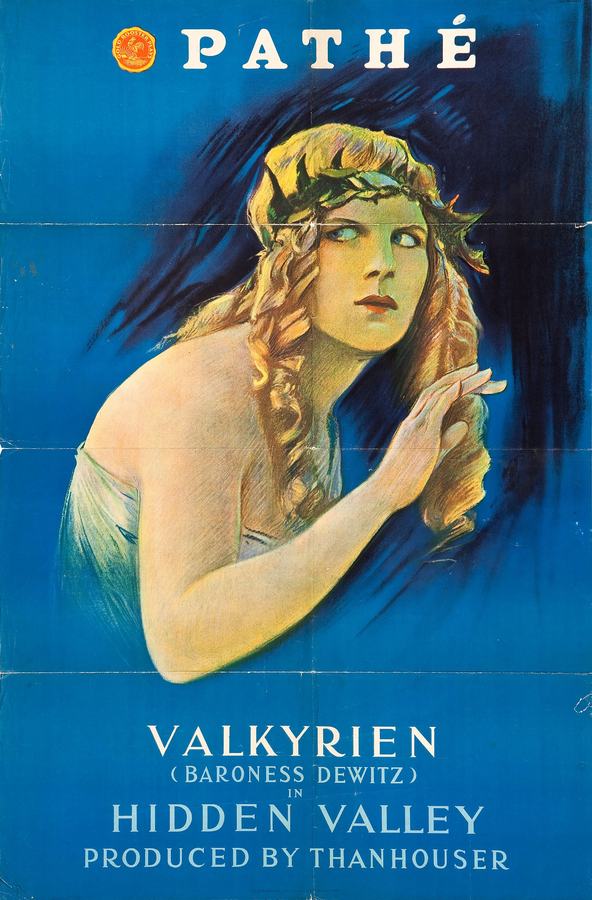
Comparing the cinematic DNA and archive impact of two defining moments in cult history.
Pierre Colombier
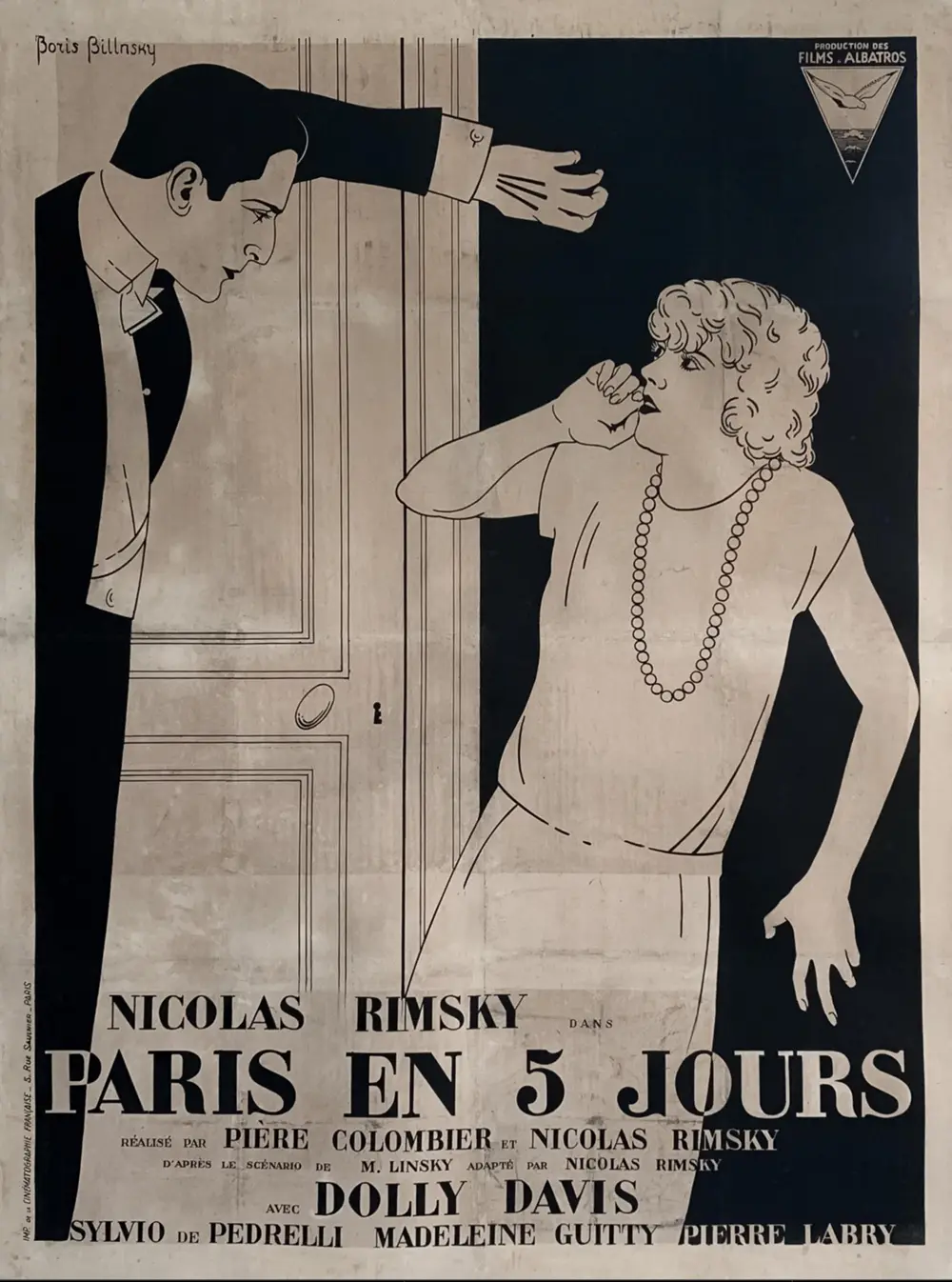
Pierre Colombier
Community
Log in to comment.
"Pierre Colombier’s Par-dessus le mur (1929) is a film that demands to be seen in the hush of a dimmed room, where the flicker of light and shadow can whisper its secrets. This French silent production, often overlooked in favor of its more glamorous contemporaries, is a taut, psychological drama that uses its titular wall as both a literal and metaphorical device. The film’s central conflict—between artistic stifling and creative breakthrough, between the desire for connection and the fear of ex..."
Pierre Colombier
France