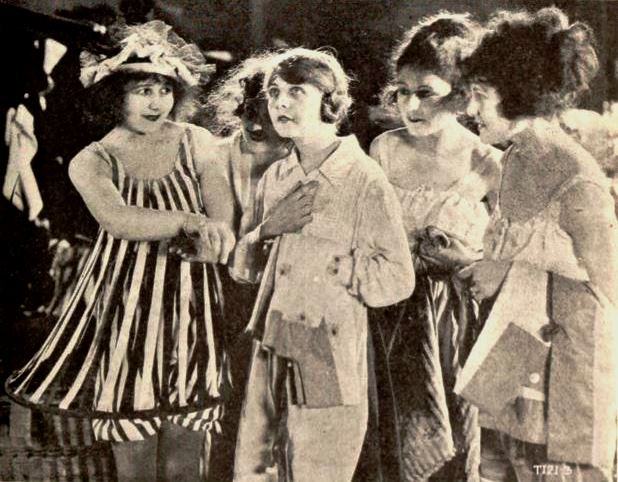
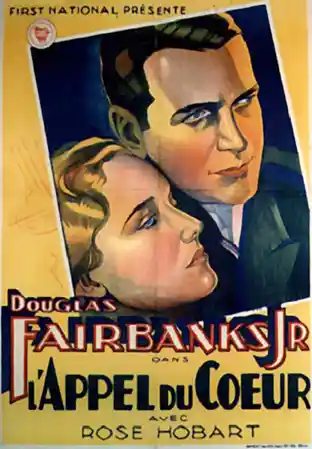
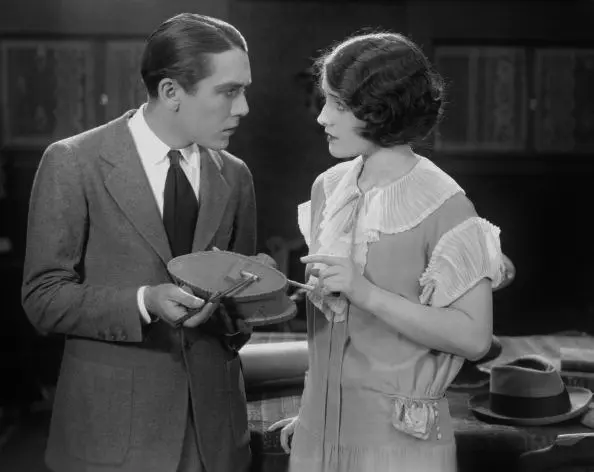
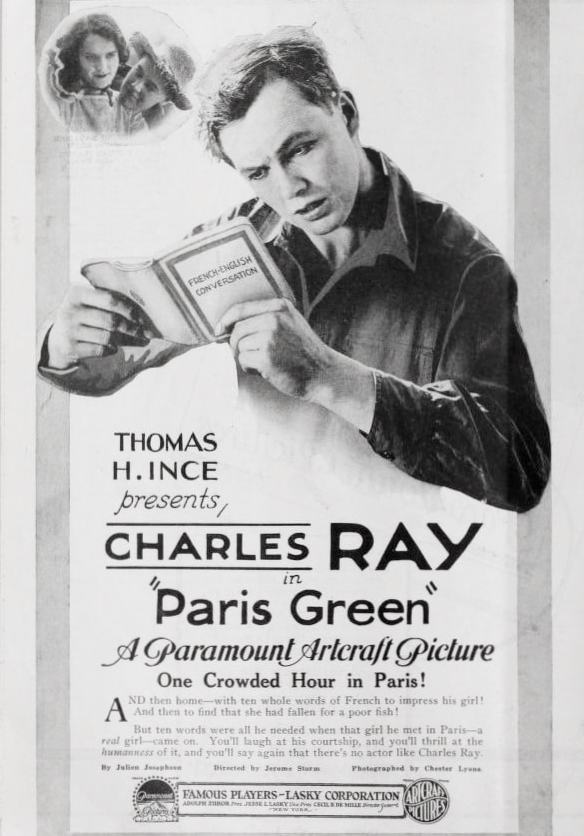
Luther Green goes to war in France in 1917. When he comes back to his family home in New Jersey, he has a surprise following him: a beautiful French girl named Nina.
Spoiler-rich meditation ahead—proceed as though unspooling brittle nitrate in a midnight projection booth. Josephson’s screenplay treats chronology like a Cubist canvas: we enter not through the expected embarkation port but via a dreamlike iris-in on Luther’s mud-veined boots, already back on Jersey soil. The war is...
production_art
Comparing the cinematic DNA and archive impact of two defining moments in cult history.
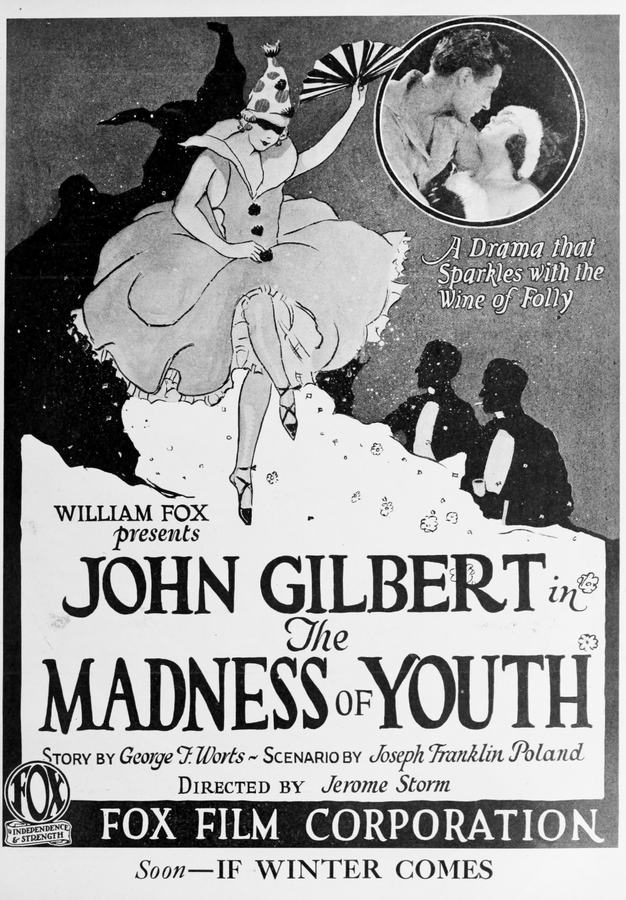
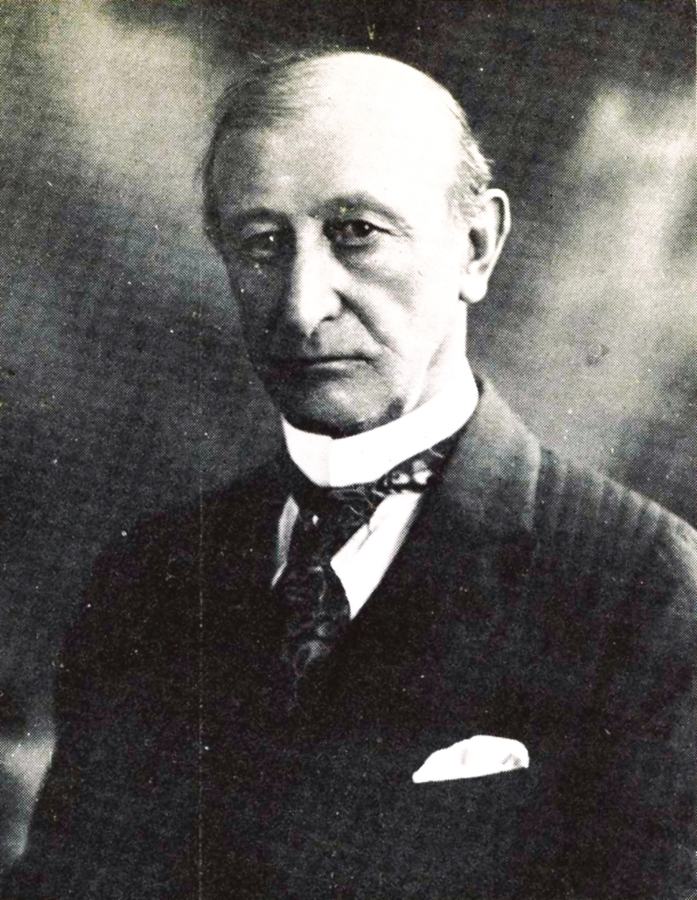
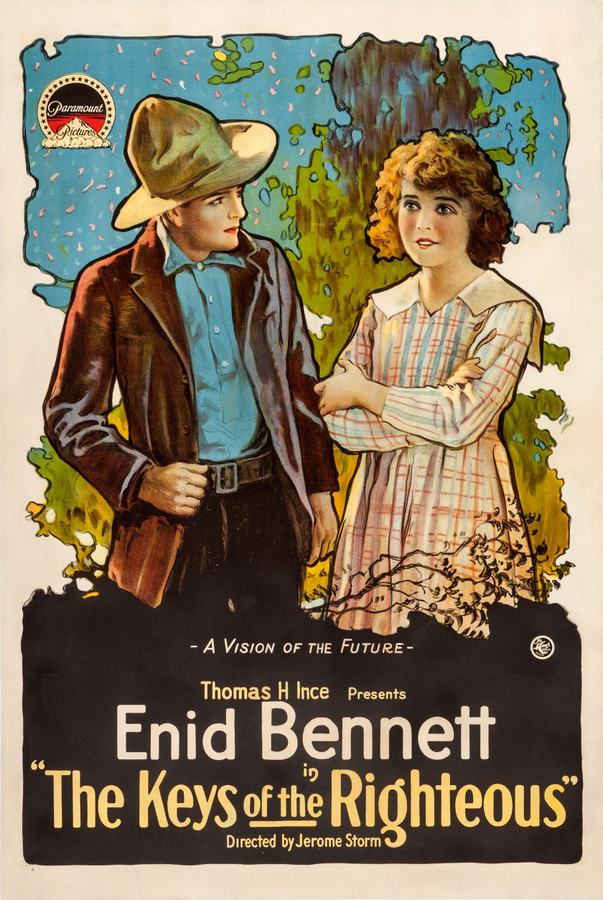
Jerome Storm
Jerome Storm
Community
Log in to comment.
" Spoiler-rich meditation ahead—proceed as though unspooling brittle nitrate in a midnight projection booth. Josephson’s screenplay treats chronology like a Cubist canvas: we enter not through the expected embarkation port but via a dreamlike iris-in on Luther’s mud-veined boots, already back on Jersey soil. The war is never shown in set-piece spectacle; instead, its residue drips from every frame—an anti-Rights of Man move that prefers psychic shrapnel to battlefield pageantry. You feel Verdun ..."
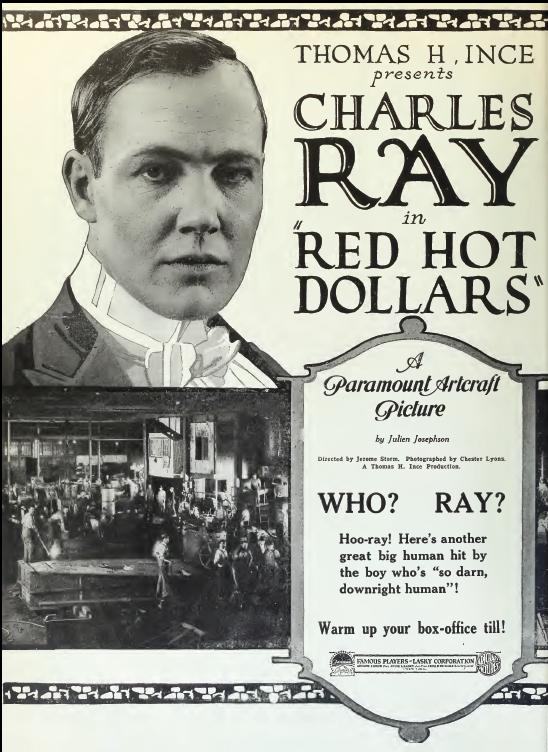
Julien Josephson
United States
Deep dive into the cult classic
Discover similar cinematic experiences
A Directorial Spotlight on Jerome Storm