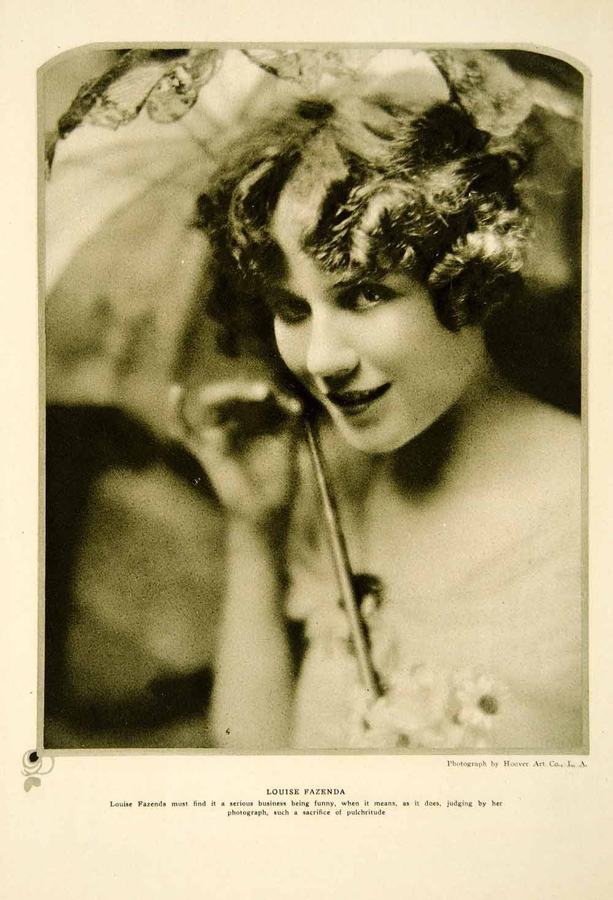
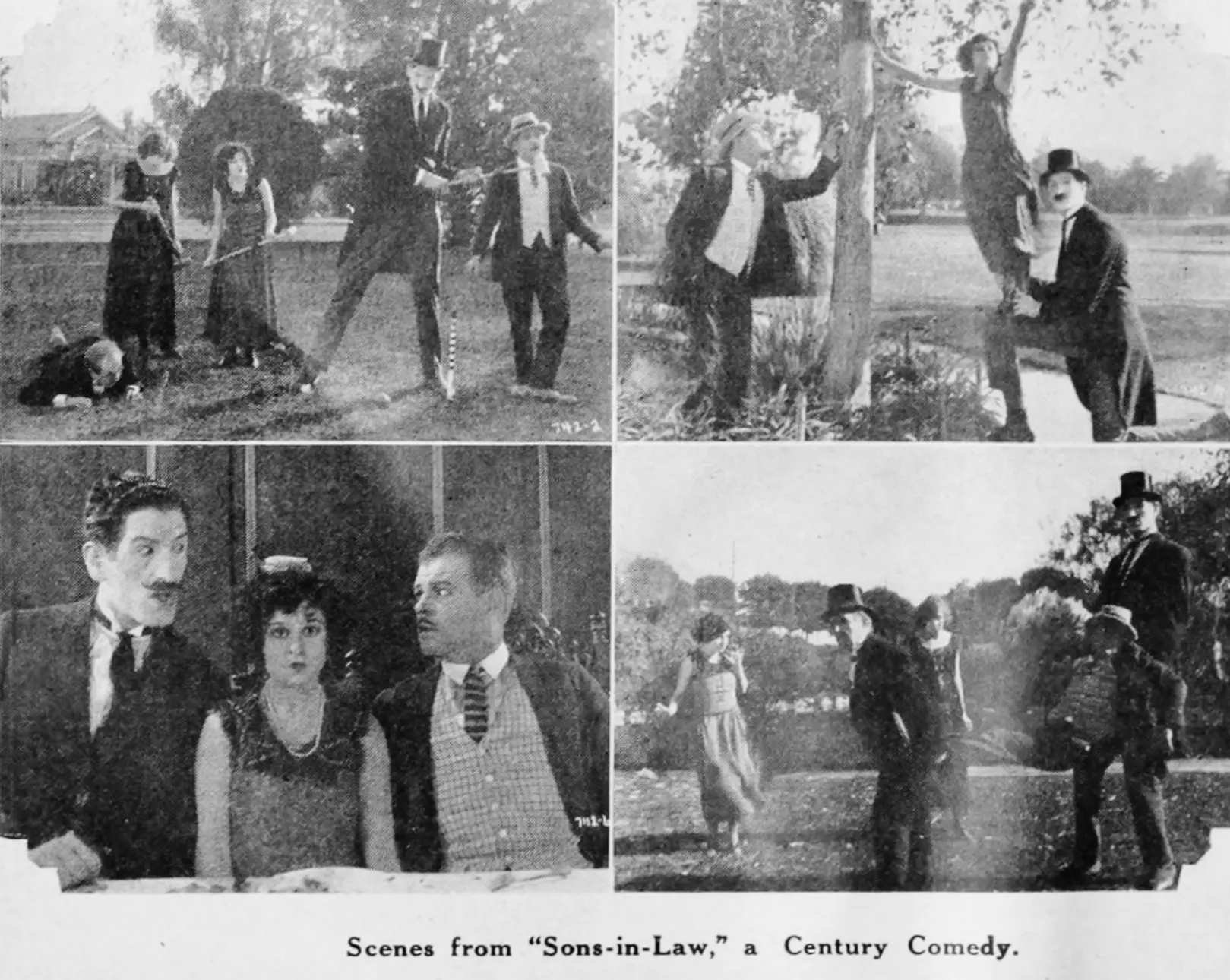
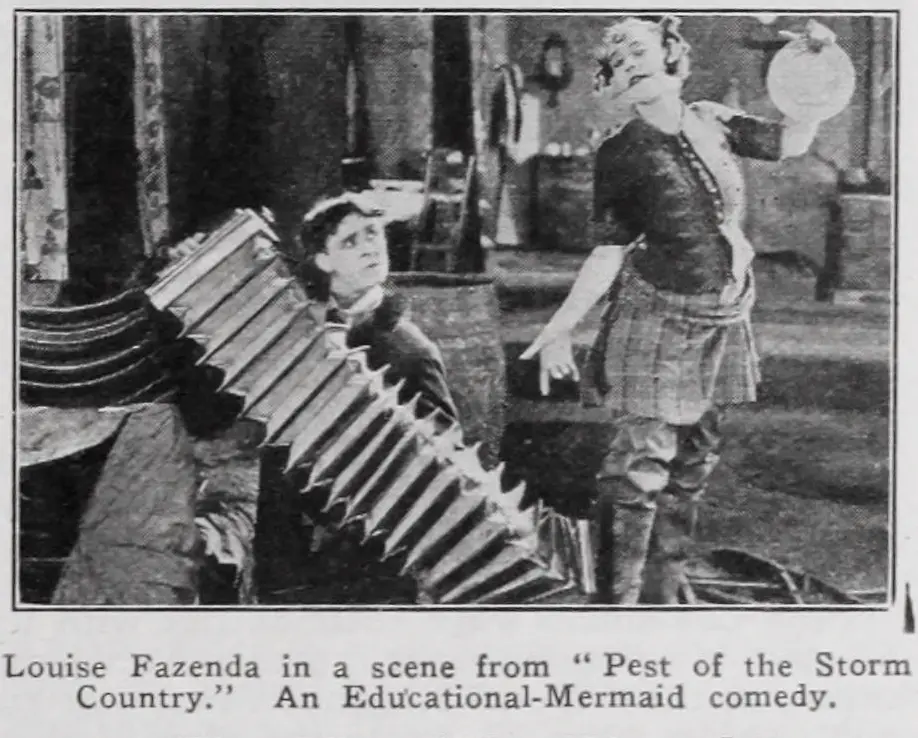
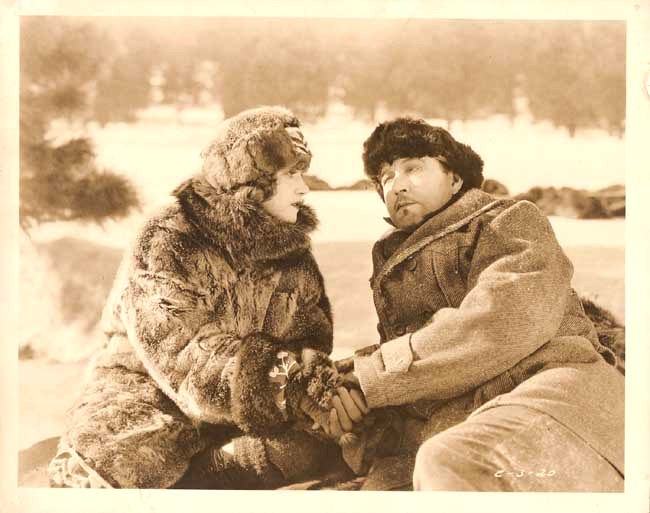
Louise has a persistent lover, who plays various musical instruments, rain or shine, and hangs around her cottage door. Finally, one night, when an awful storm comes up, she invites him to stay all night, and while she's fixing the spare room in the shed he runs home for his pajamas.
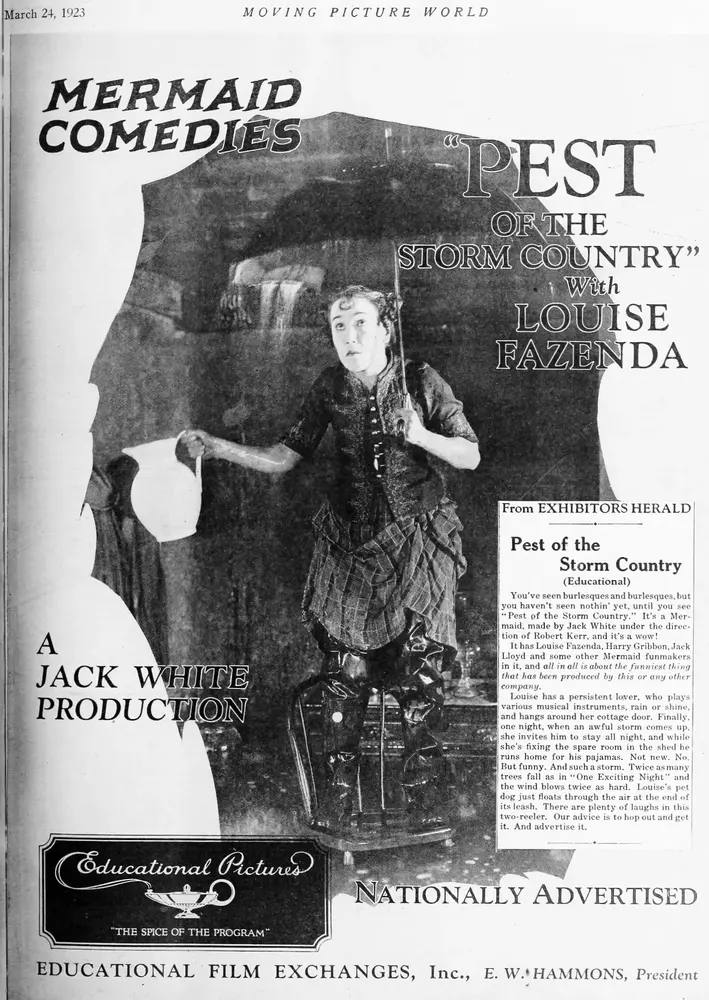
The cinematic landscape of 1920 was a crucible of experimentation, where the language of visual storytelling was being forged in the fires of vaudeville and the burgeoning art of the edit. Pest of the Storm Country emerges from this era not merely as a relic of slapstick antiquity, but as a fascinating study in the per...
still_frame
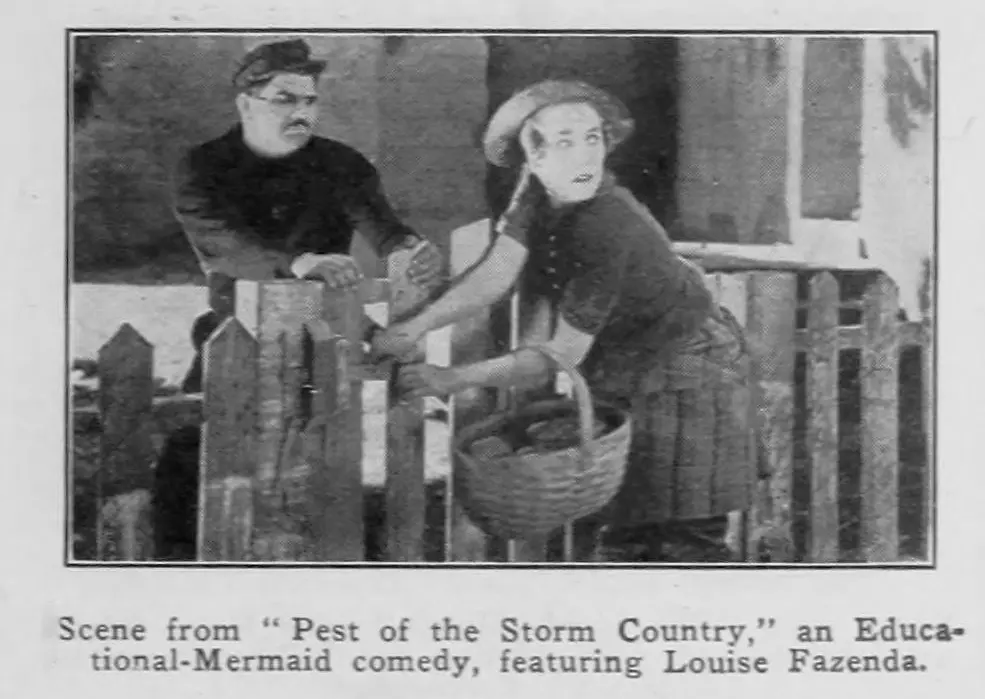
still_frame
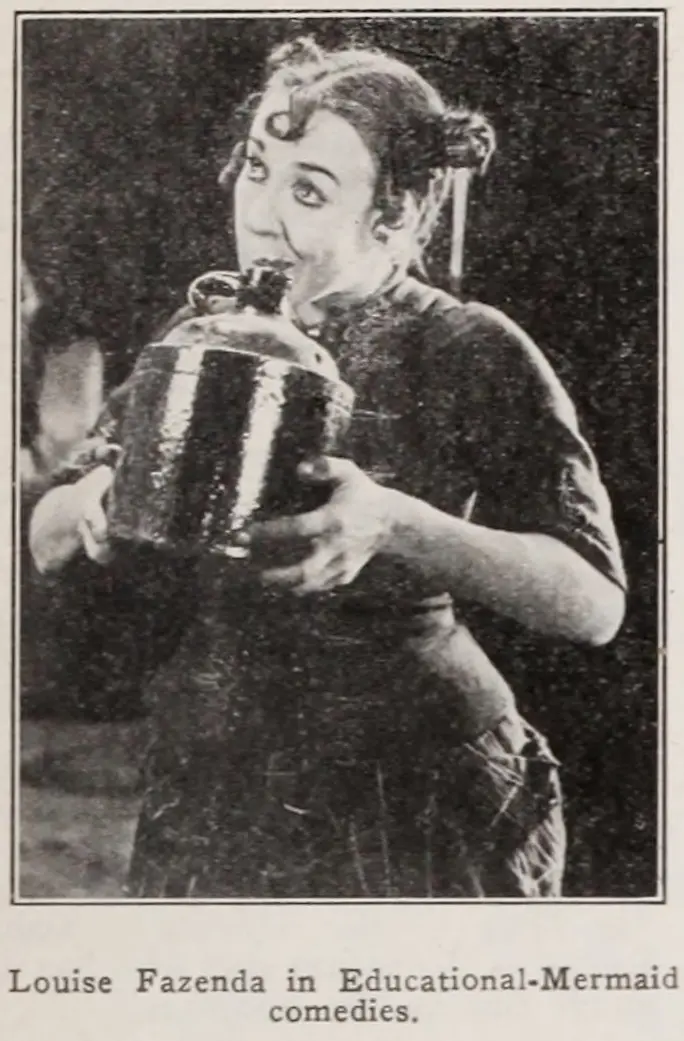
still_frame
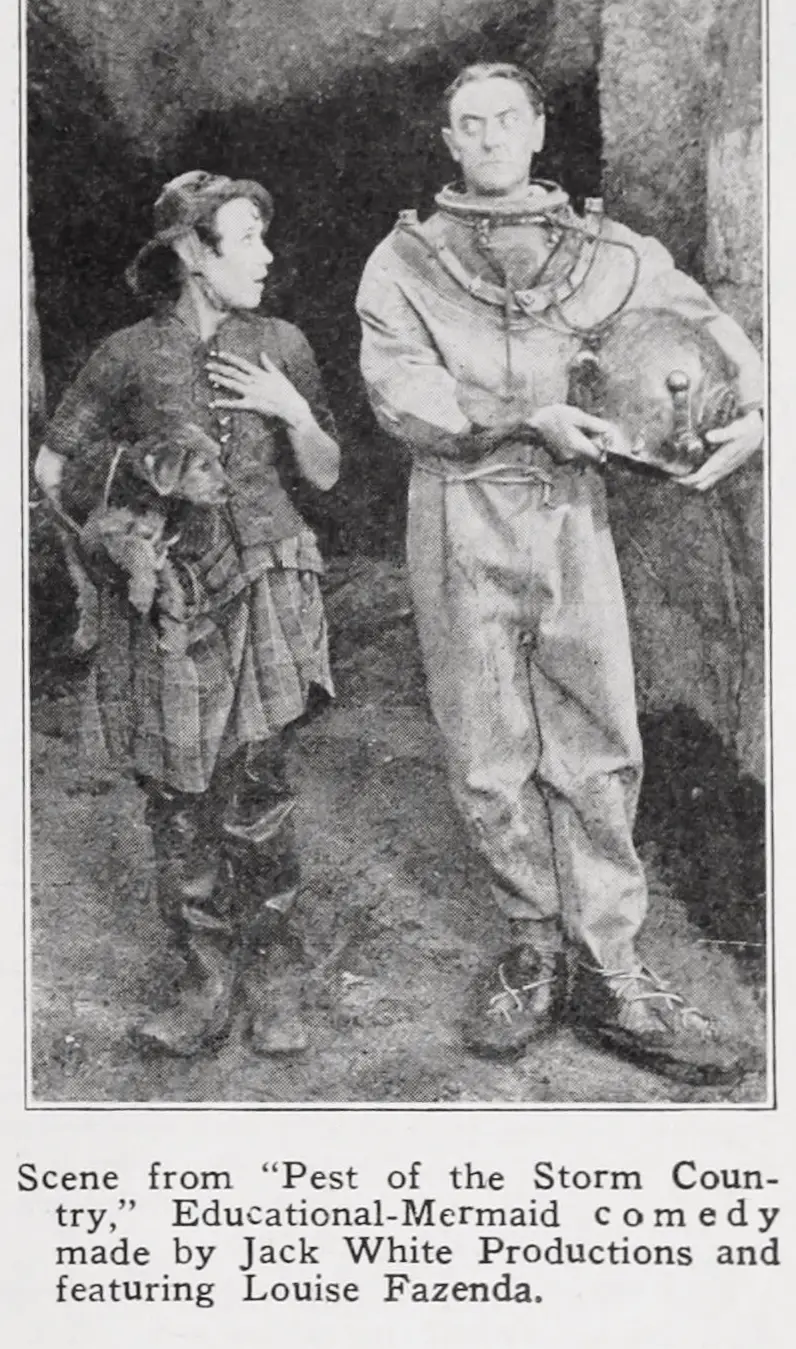
still_frame
Comparing the cinematic DNA and archive impact of two defining moments in cult history.
Robert P. Kerr
Reggie Morris
Community
Log in to comment.
"The cinematic landscape of 1920 was a crucible of experimentation, where the language of visual storytelling was being forged in the fires of vaudeville and the burgeoning art of the edit. Pest of the Storm Country emerges from this era not merely as a relic of slapstick antiquity, but as a fascinating study in the persistence of the unwanted. While contemporary audiences might view the protagonist's suitor through a lens of modern boundary-setting, the film treats his relentless musical assault..."
United States
Deep dive into the cult classic
Discover similar cinematic experiences
A Directorial Spotlight on Robert P. Kerr