DbcultAccessing Vault...
Cult Review
Senior Film Conservator
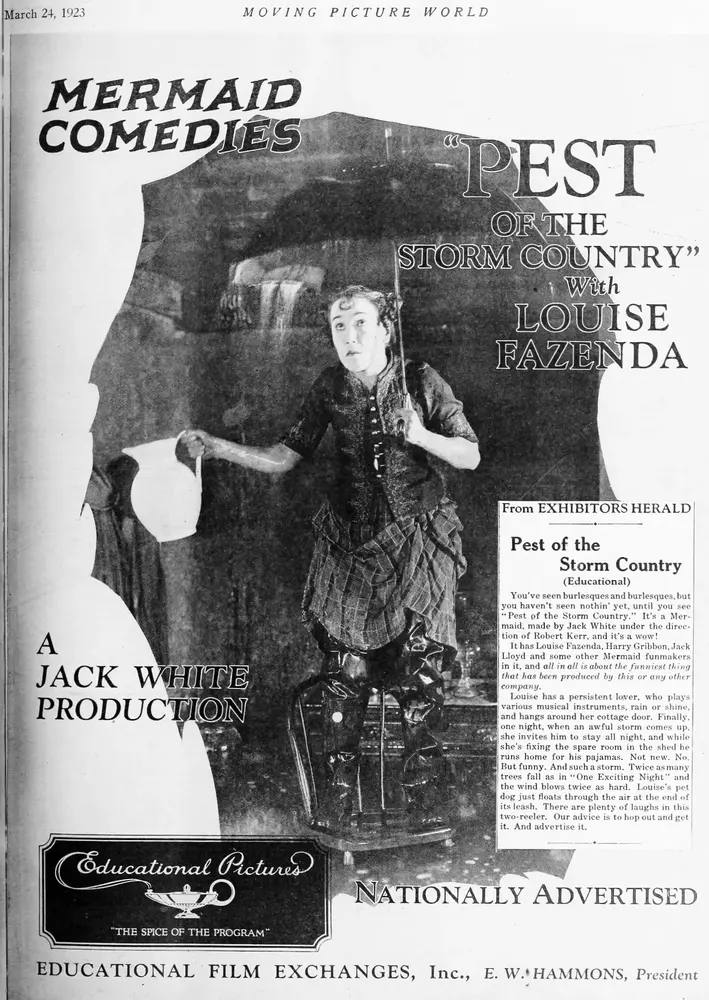
The cinematic landscape of 1920 was a crucible of experimentation, where the language of visual storytelling was being forged in the fires of vaudeville and the burgeoning art of the edit. Pest of the Storm Country emerges from this era not merely as a relic of slapstick antiquity, but as a fascinating study in the persistence of the unwanted. While contemporary audiences might view the protagonist's suitor through a lens of modern boundary-setting, the film treats his relentless musical assault as a comedic inevitability, a force of nature that rivals the titular storm. Unlike the heavy-handed moralizing found in Human Hearts, this short leans into the absurdity of human interaction when social contracts are stretched to their breaking point.
Harry Gribbon’s performance as the persistent lover is a masterclass in physical comedy that transcends the silent medium. One can almost hear the discordant notes of his various instruments through the sheer kinetic energy of his movements. He is a man possessed by a singular, albeit misguided, romantic vision. This isn't the refined courtship of The Prince Chap; this is a siege. The cottage door serves as a thin barrier between Louise's domestic sanity and the external chaos of the suitor’s affection. The way Gribbon lingers, rain or shine, suggests a character who exists outside the normal constraints of social propriety, a precursor to the 'man-child' archetype that would dominate comedy decades later.
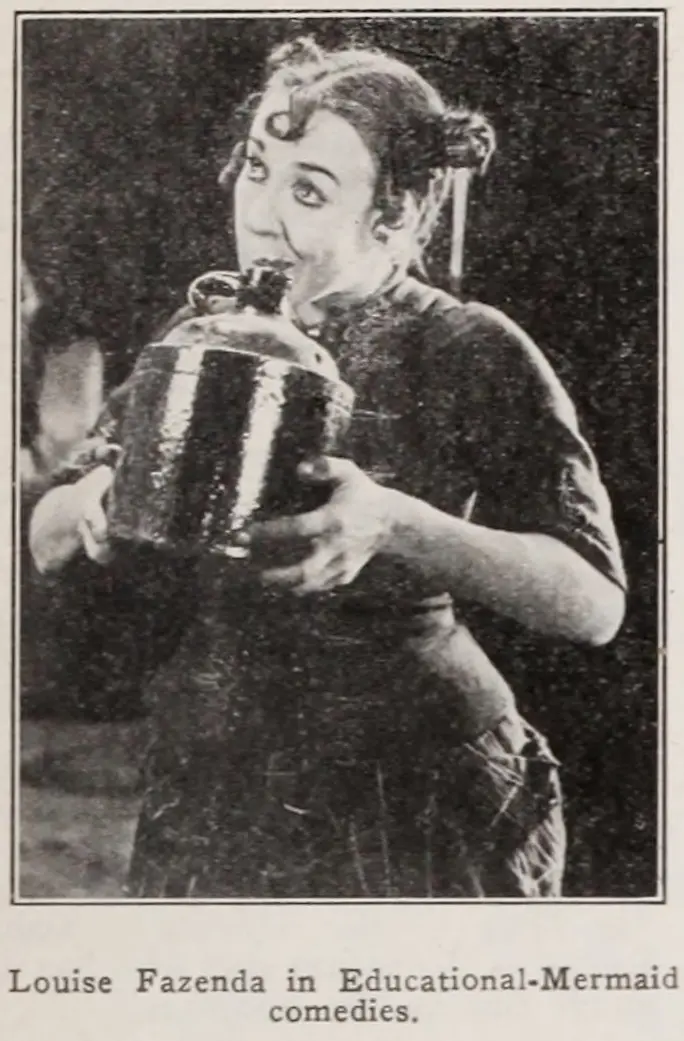
Louise Fazenda, an underrated titan of early screen comedy, provides the perfect foil. Her expressions are a symphony of exasperation. While she lacks the gothic intensity found in The Sins of Rosanne, she possesses a grounded, earthy quality that makes the escalating absurdity of the plot feel strangely relatable. When the storm finally breaks, it is not just a meteorological event; it is a narrative catalyst that forces a truce between the harasser and the harassed. The visual effects of the storm, though primitive by modern standards, carry an atmospheric weight that rivals the existential dread in Thundering Dawn.
The pivot of the film occurs when Louise, out of a sense of basic human decency or perhaps sheer exhaustion, invites the pest to stay. The genius of the script lies in the suitor's reaction. Rather than accepting the sanctuary with grace, he prioritizes the ritual of the pajama. This moment elevates the film from a standard chase-and-mishap comedy to something approaching the surreal. The image of a man battling a torrential downpour to retrieve his sleeping attire is a profound commentary on the rigidity of habit. It echoes the strange obsessions seen in Poslednyaya stavka mistera Ennioka, where characters are driven by internal logics that defy external reality.
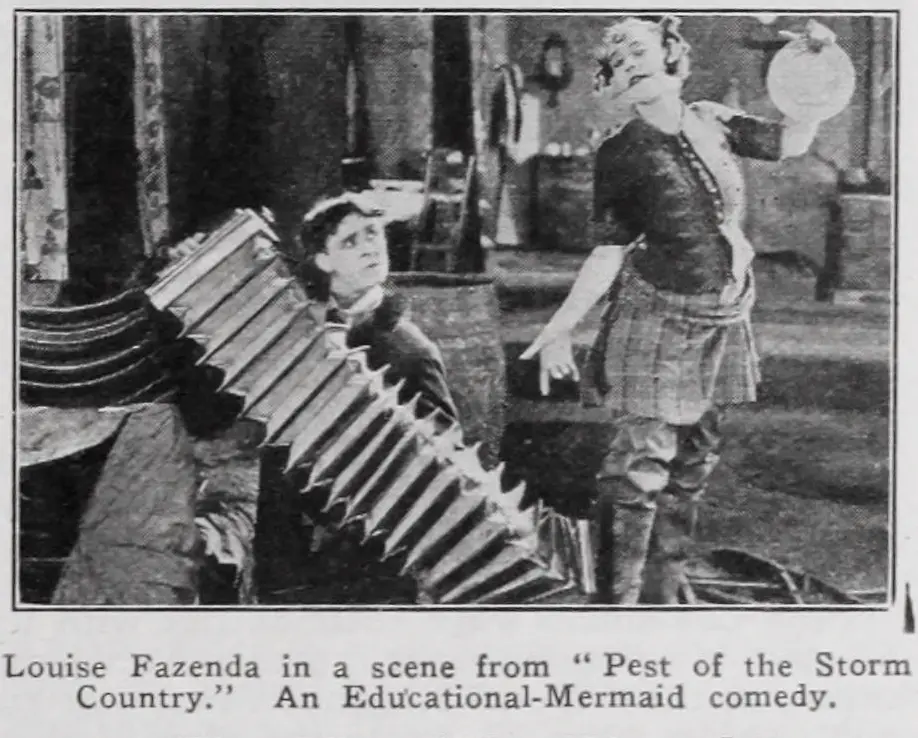
The pacing of this sequence is frantic. The editing by Robert P. Kerr ensures that the tension between the safety of the shed and the danger of the storm is never lost. We see the suitor as a bedraggled figure, a wet dog of a man, whose commitment to the 'pajama run' becomes a heroic epic in his own mind. It is this dissonance between the triviality of the task and the intensity of the execution that provides the film's most enduring laughs. It lacks the political gravitas of Dangerous Hours, but it captures a fundamental truth about the human condition: we are often the architects of our own discomfort.
In many ways, 'Pest of the Storm Country' serves as a lighthearted exploration of the lack of privacy in rural life. Much like The Ghost of Rosy Taylor, there is a sense that one’s home is never truly one’s own. The presence of Jack Jordan and Jack Ackroyd adds layers to the comedic ensemble, creating a sense of a community that is slightly off-kilter. The film doesn't aim for the historical sweep of Martin Luther, His Life and Time or the operatic tragedy of Nero. Instead, it finds its strength in the micro-tensions of the domestic sphere.
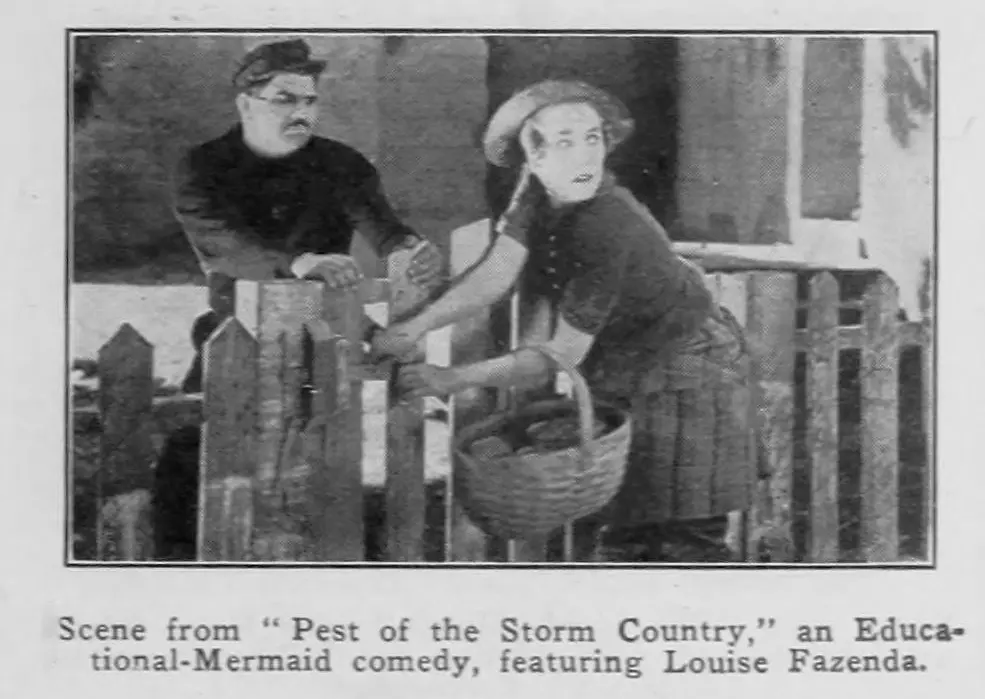
The cinematography, while functional, utilizes the lighting of the storm to create high-contrast shadows that anticipate the noir aesthetic. The rain is not merely a background element; it is a character. It drenches the cast, slicks the surfaces of the set, and adds a layer of physical comedy as characters slip and slide through their motivations. This tactile quality is something often missing from contemporary digital comedies. There is a weight to the mud and a chill to the wind that the actors clearly felt, and that authenticity translates through the grainy celluloid. It shares a certain raw energy with Runaway June, another film that explores the consequences of impulsive decisions.
Why does this film resonate over a century later? Perhaps it is because the 'pest' is a universal archetype. We have all encountered the individual who cannot take a hint, whose enthusiasm is a weapon, and whose presence is a logistical challenge. In the world of Life, such themes might be treated with philosophical weight, but here they are given the gift of laughter. The suitor’s return, clutching his pajamas like a holy relic while the world collapses in thunder around him, is one of the great images of silent comedy. It ranks alongside the most poignant moments in Liliana or the social observations of Sisters of the Golden Circle.
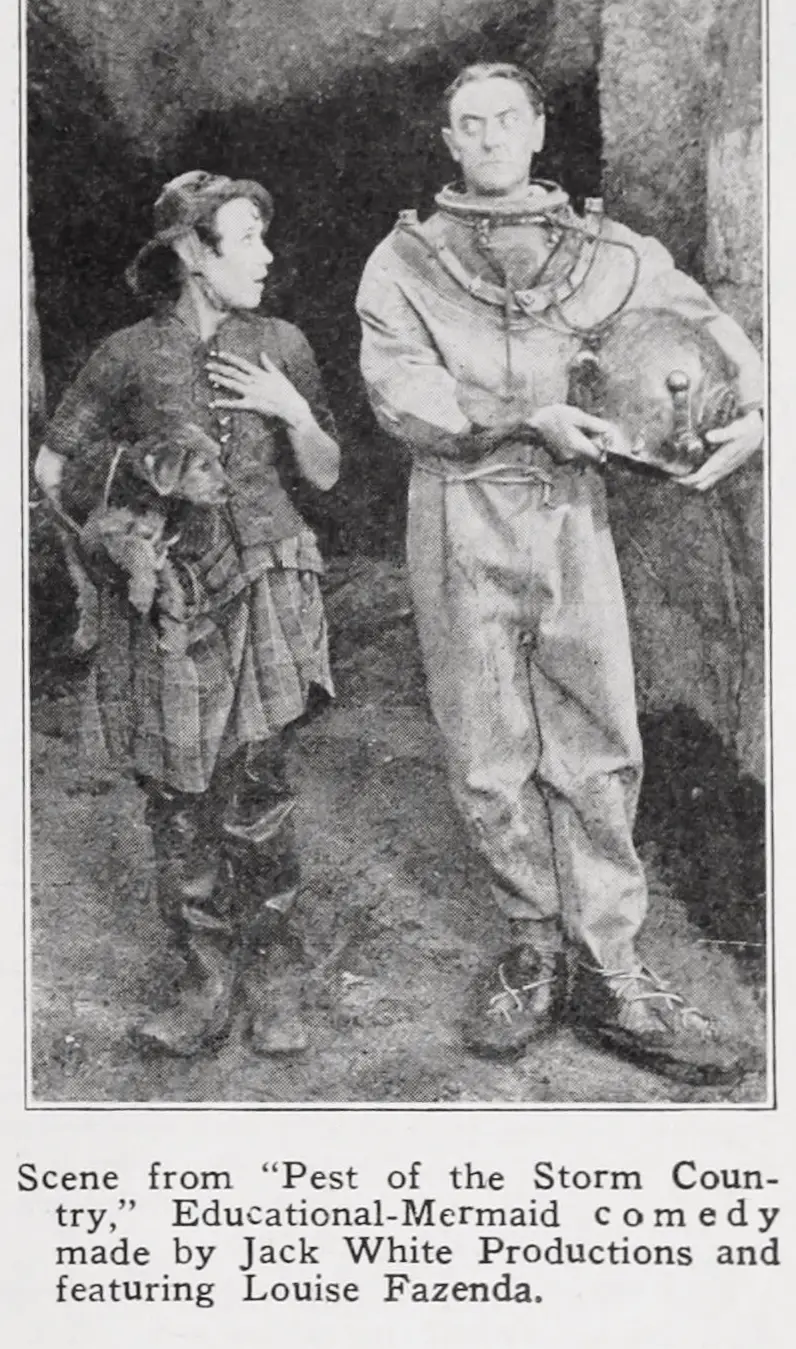
Ultimately, 'Pest of the Storm Country' is a testament to the power of the simple premise. It doesn't need the sprawling geography of Louisiana or the complex temporal structure of Paa slaget 12. It relies on the chemistry of its leads and the universal language of the pratfall. Louise Fazenda’s ability to anchor the chaos with her reactive performance ensures that the film remains grounded, even when the plot takes its most ridiculous turns. It is a reminder that in the face of life’s storms—both literal and metaphorical—sometimes the only thing you can do is fix the spare room and wait for the idiot to come back with his pajamas.
The technical restoration of such films is vital for understanding the evolution of the comedic rhythm. The way Kerr and the writers structured the 'musical' segments of the harassment shows a deep understanding of audience fatigue and payoff. By the time the storm hits, the audience is as desperate for a change in the status quo as Louise is. This synchronization of audience emotion and character motivation is the hallmark of high-quality slapstick, a tradition that continues to influence filmmakers today. It is a chaotic, wet, and utterly charming piece of film history that deserves more than a footnote in the archives of the silent era.
IMDb 6
1926
Community
Log in to comment.