DbcultAccessing Vault...
Cult Review
Senior Film Conservator
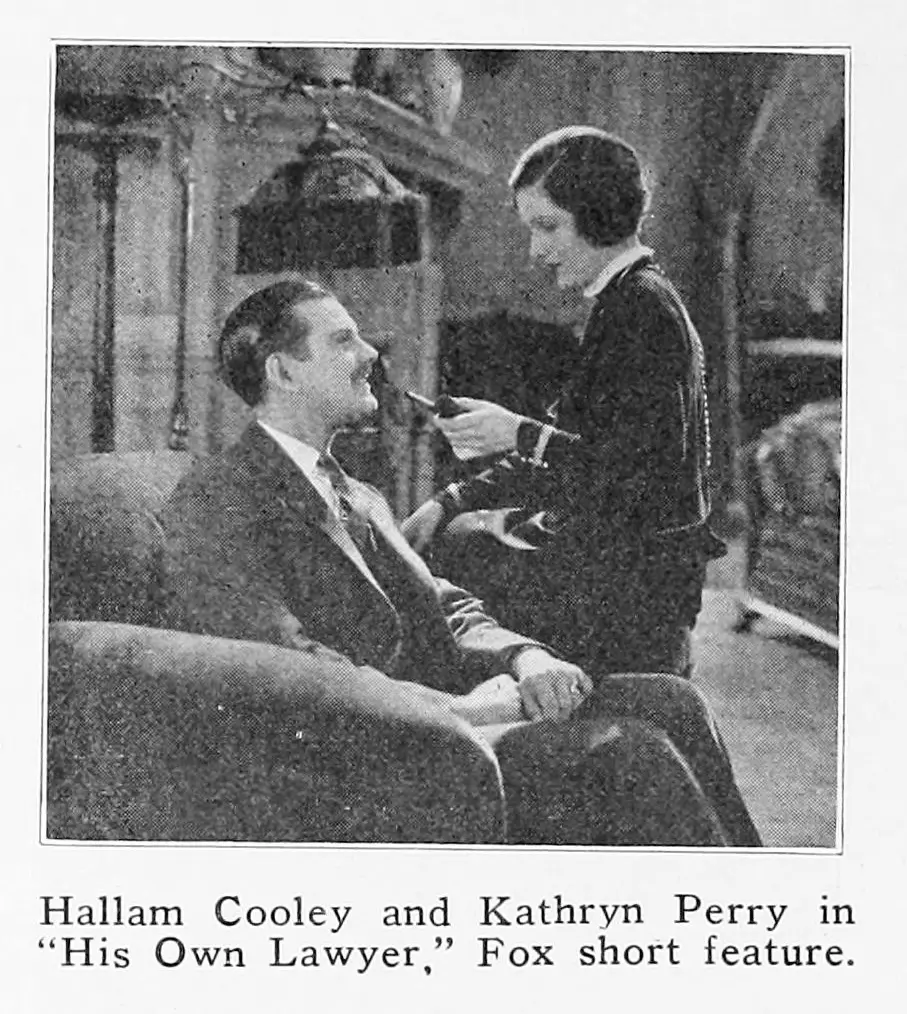
Is 'His Own Lawyer' worth watching today? Short answer: yes, but with significant caveats. This 1920s silent comedy is less a cinematic revelation and more a fascinating time capsule, offering a window into a bygone era of slapstick and situational absurdity. It’s a film for the curious, the historians, and anyone with a soft spot for the foundational elements of screen comedy, yet it demands a certain patience and a willingness to engage with its particular brand of humor.
It’s a film that will undoubtedly resonate with enthusiasts of early cinema, those who appreciate the craft of storytelling before spoken dialogue became the norm, and anyone interested in the social commentary, however light, embedded in Prohibition-era narratives. Conversely, if you demand modern pacing, intricate character development, or dialogue-driven wit, 'His Own Lawyer' will likely test your endurance. This is not a film for casual viewers seeking a quick, easily digestible laugh; it’s a journey into the past, with all its quaint charms and occasional narrative stumbles.
At its core, 'His Own Lawyer' is a masterclass in escalating comedic tension, built upon a foundation of domestic disruption and external chaos. The narrative kicks off with a scenario instantly recognizable and relatable, even a century later: the uninvited, overstaying houseguests. Helen and Warren's return to their apartment, only to find it occupied by the brother-in-law's family, sets a tone of lighthearted exasperation that permeates the entire film. This initial invasion by the brother-in-law, a character clearly designed to be both charmingly manipulative and utterly self-serving, is the catalyst for all subsequent misadventures.
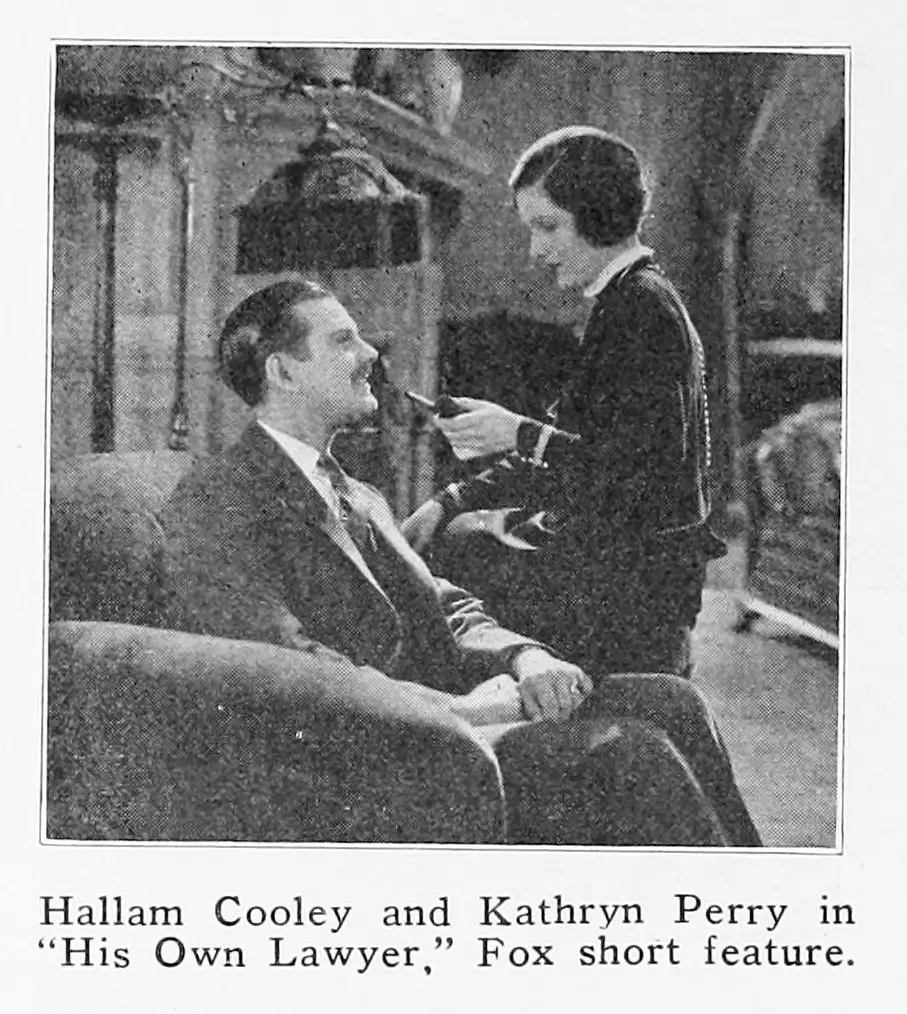
The brother-in-law's motivation is brutally simple: escape from his own home ties. This desire propels him to drag a weary Warren, a lawyer fresh from a courtroom defeat, into the illicit world of a prohibition-era nightclub. This sequence, contrasting Warren's exhaustion with the brother-in-law's boisterous enthusiasm, highlights the film’s ability to draw humor from clashing personalities and circumstances. It’s a classic setup for a night gone wrong, made all the more potent by the cultural context of the time.
The nightclub raid itself is a whirlwind of frantic activity, a testament to the silent era’s capacity for visual storytelling. The inclusion of Warren’s judge, also caught in the illicit revelry, adds a layer of delicious irony and sets the stage for the film’s central conflict. This isn't just a random raid; it's a carefully orchestrated plot device that ensures Warren’s predicament is as embarrassing as it is legally perilous. The escape of Warren and the judge, while the brother-in-law is apprehended, creates a temporary reprieve that only serves to heighten the impending disaster.
Warren's subsequent arrest and incarceration, sharing a cell with the very man whose case he lost the day before, is a stroke of comedic genius. The visual gag of these two unlikely cellmates, bound by the arbitrary hand of fate and the justice system, speaks volumes without a single word. It underscores the film's cynical, yet ultimately lighthearted, view of legal proceedings and the unpredictable nature of life.
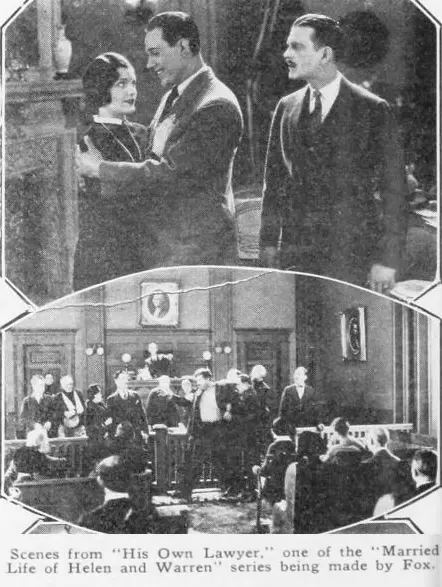
The courtroom scene is where the film truly shines. Helen's unwitting presence, believing she's witnessing her husband's professional prowess, creates a layer of dramatic irony that is both poignant and hilarious. Warren’s quick-witted decision to switch from defendant to his own lawyer, amidst the consternation of all, is the climax of the farce. It’s a moment of pure, unadulterated comedic brilliance, showcasing the resourcefulness of the protagonist under extreme duress. The resolution, tied to the judge’s lost trousers, is a quintessential deus ex machina, abrupt and highly improbable, yet perfectly in line with the film’s farcical tone. It works. But it’s flawed.
Directing a silent film required a distinct set of skills, emphasizing visual clarity, exaggerated gestures, and precise physical comedy. 'His Own Lawyer' largely succeeds in this regard, with direction that prioritizes the rapid unfolding of its farcical plot. The film moves with a briskness that belies its age, particularly during the more chaotic sequences like the nightclub raid. The camera work, while rudimentary by today's standards, effectively captures the broad strokes of the action, focusing on character reactions and the mechanics of the gags.
The pacing is a curious beast. The initial setup in the apartment feels a little leisurely, establishing the domestic annoyance before launching into the night's adventures. However, once Warren and his brother-in-law hit the town, the film accelerates. The raid sequence is a flurry of activity, likely achieved through quick cuts and a rapid succession of visual gags, keeping the audience engaged through sheer momentum. This energetic burst contrasts with the more deliberate pace of the courtroom scenes, where the humor derives from the absurdity of the situation rather than frantic action.
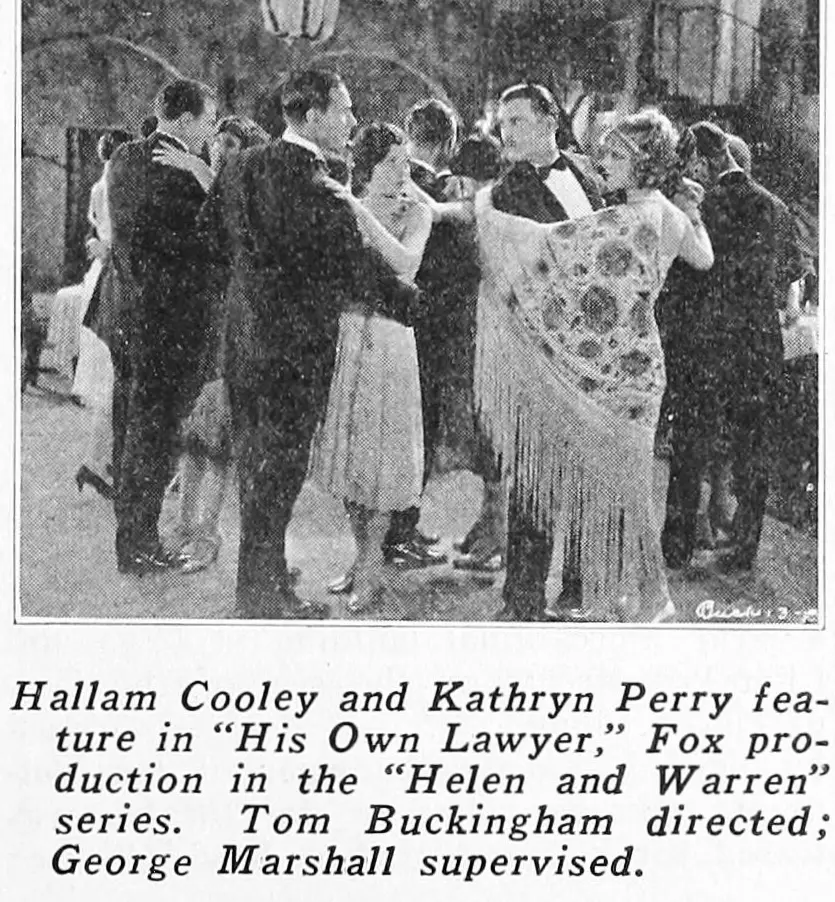
One could argue that the film’s greatest strength is its sheer audacity, not its subtlety. Director Charles Sellon (who also appears as the Judge, an interesting double role) understands the power of visual exaggeration. The frustration on Warren’s face, the brother-in-law’s relentless cheerfulness, the judge’s mortification—these emotions are conveyed with a clarity necessary for an audience relying solely on visual cues and intertitles. It's a blueprint for many comedies that followed, demonstrating how effectively a story can be told through action and reaction alone.
The acting in 'His Own Lawyer' is a fascinating study in silent film performance, where subtlety often took a backseat to expressive physicality. Hallam Cooley, likely in the role of Warren, carries the film's emotional core, portraying a man overwhelmed by circumstances. His exasperated expressions and weary demeanor are consistently engaging, creating a sympathetic protagonist amidst the chaos. He embodies the everyman caught in an extraordinary predicament, a staple of comedic storytelling.
Grace Goodall, as Helen, provides a grounding presence, her initial concern for Warren and later her unwitting attendance at his trial providing key emotional beats. Her performance, while less overtly comedic than some others, serves as a vital counterpoint to the escalating absurdity. It's in her reactions that the audience finds a mirror for their own disbelief and amusement.
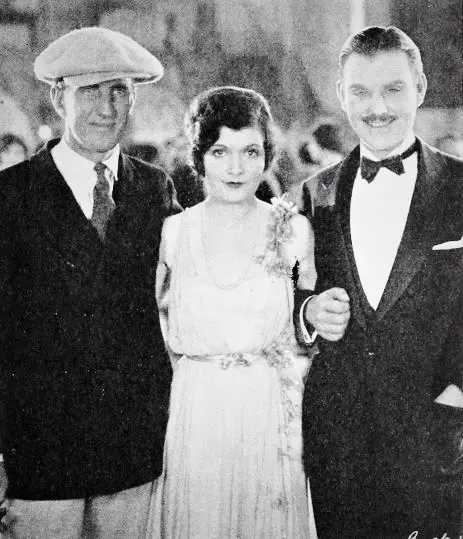
The supporting cast, particularly the actor playing the brother-in-law (possibly David Butler or Tiny Sandford, given the cast list), embraces the broad, physical comedy essential to the genre. This character is a force of nature, a whirlwind of ill-advised suggestions and cheerful irresponsibility. His performance relies heavily on exaggerated gestures and a relentless optimism, driving much of the plot forward through sheer comedic will. The silent era often gets a bad rap for overacting, but here, it’s less a flaw and more a feature, a necessary tool for conveying character and emotion without dialogue.
Charles Sellon, pulling double duty as director and the unfortunate judge, delivers a memorable turn. His character’s descent from judicial sobriety to nightclub reveler, and ultimately to a bewildered figure caught in a trousers-less predicament, is a masterclass in silent comedic humiliation. The physicality required to convey his initial enjoyment, then his panic during the raid, and finally his mortification in the aftermath, is expertly handled. It's a testament to the actors of this period that they could evoke such strong reactions with only their bodies and faces.
The cinematography of 'His Own Lawyer', while representative of its time, is functional and effective in telling its story. The film primarily uses medium shots and wider frames to capture the ensemble action and physical comedy, allowing the audience to take in the full scope of the gags. Close-ups are likely reserved for moments of heightened emotional reaction, drawing the viewer into a character’s specific predicament or expression of exasperation.
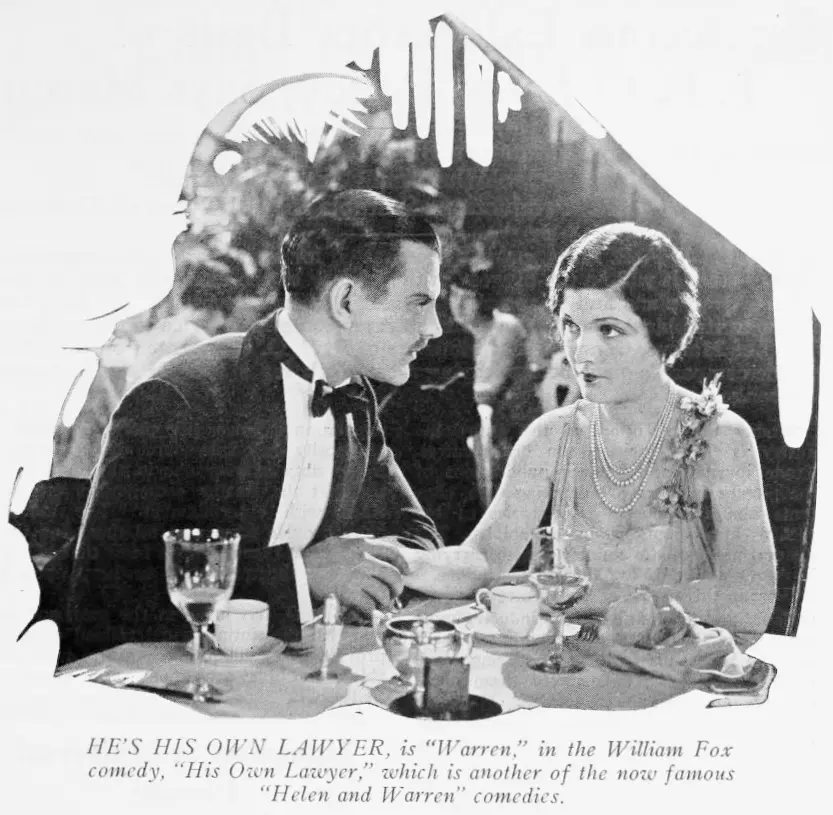
Lighting is straightforward, typical of early cinema, designed to illuminate the action clearly rather than create complex atmospheric effects. The focus is on clarity and ensuring that every gesture and movement is visible. There are no grand visual flourishes or experimental techniques; instead, the camera serves as a clear window into the unfolding farce, prioritizing narrative propulsion over stylistic indulgence. This simplicity, however, contributes to its charm, allowing the performances and the plot to take center stage without distraction.
The tone is consistently lighthearted and farcical, even when Warren faces the prospect of jail. There's an underlying sense that everything will ultimately resolve itself, a characteristic optimism common in comedies of this era. The film never delves into genuine dramatic tension, preferring to keep the audience amused by the escalating absurdities. The inclusion of the prohibition-era setting adds a layer of social commentary, subtly highlighting the hypocrisy and chaos that such laws often engendered, but it’s always in service of the comedy, never overshadowing it.
Yes, 'His Own Lawyer' is worth watching, particularly for those interested in film history or silent comedies. It provides valuable insight into early cinematic storytelling and humor. While its pacing and comedic sensibilities might feel dated to some, its historical significance and occasional bursts of genuine hilarity make it a worthwhile viewing experience for the right audience. It's a relic. But a charming one.
What truly sets 'His Own Lawyer' apart, and perhaps makes it a curious watch today, is its unapologetic embrace of the absurd. The film doesn't attempt to ground its humor in realism or relatable emotional stakes beyond Warren's initial exasperation. Instead, it revels in the sheer unlikelihood of its events. The judge losing his trousers during a raid and that specific item of clothing becoming the ultimate catalyst for universal dismissal is a narrative choice so outlandish it borders on genius. It's a plot device that wouldn't fly in contemporary cinema, yet here, it feels perfectly at home within the film's farcical universe.
This kind of humor demands a suspension of disbelief that modern audiences, conditioned by more logical narrative structures, might find challenging. But for those willing to lean into its peculiar charm, there's a certain freedom in its narrative irreverence. It’s a film that laughs at the system, at authority, and at the petty annoyances of family, all wrapped up in a package of physical comedy and exaggerated reactions. Forget your modern, nuanced character arcs; this is pure, unadulterated comedic chaos. Its resolution, while convenient, feels less like a satisfying conclusion and more like the scriptwriter simply ran out of patience and decided a pair of pants was the funniest way out.
"His Own Lawyer is a delightful, if dated, snapshot of silent-era comedic sensibilities, where the sheer audacity of the plot trumps all logic."
'His Own Lawyer' is a charmingly chaotic relic of the silent era, a film that, despite its age, still manages to elicit chuckles through its sheer audacity and commitment to farce. It’s not a film that will redefine your cinematic tastes, nor is it a forgotten masterpiece waiting to be rediscovered by the masses. Instead, it’s a valuable piece of film history, offering genuine insight into the comedic sensibilities and storytelling techniques of the 1920s.
Its strengths lie in its clever, escalating plot, the energetic physical performances, and its ability to capture a slice of Prohibition-era life with a humorous slant. While its dated humor and somewhat abrupt ending might not appeal to everyone, for those willing to engage with its unique charm, 'His Own Lawyer' provides a delightful, if occasionally quaint, viewing experience. It’s certainly more engaging than some of its contemporaries, like the earnest but less inventive The Foolish Virgin or the purely documentary-style All-Star Production of Patriotic Episodes for the Second Liberty Loan. It earns its place as a solid, if not spectacular, example of early screen comedy.
IMDb —
1931
Community
Log in to comment.