Summary
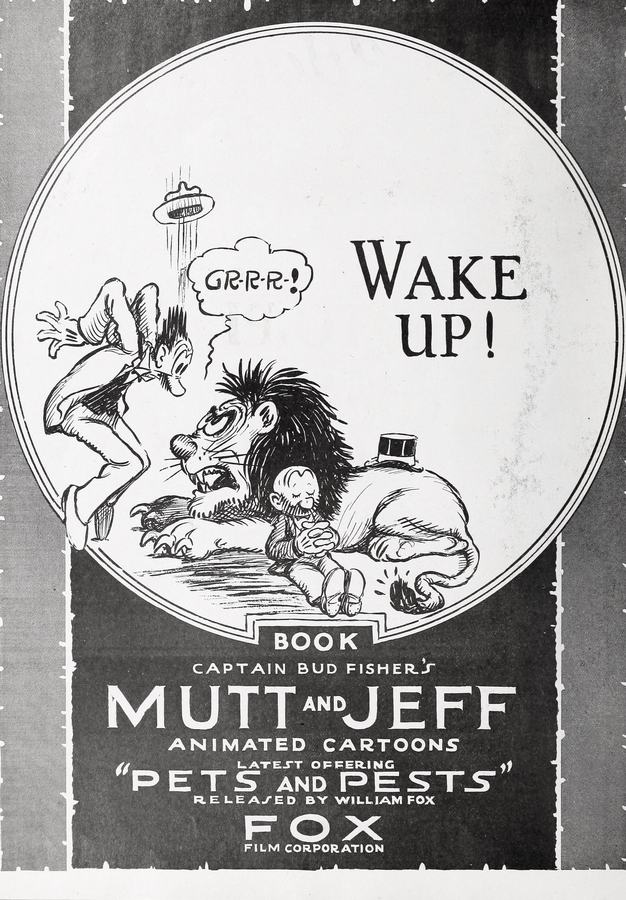
In the whimsical, often chaotic universe of "Pets and Pests," we are introduced to Bartholomew Buttercup, a fastidious bachelor whose meticulously ordered life is thrown into delightful disarray. His quiet existence, devoted to the cultivation of prize-winning petunias and the precise arrangement of his antique curios, is shattered by the unexpected arrival of an eccentric aunt's inheritance: not a fortune, but a menagerie of peculiar creatures, each with its own brand of anarchic charm. A perpetually shedding Angora cat, a perpetually barking terrier with a penchant for digging up Buttercup's beloved garden, and a parrot with a scandalous vocabulary become the initial catalysts for domestic pandemonium. Yet, the true 'pests' soon emerge in human form, as a series of opportunistic relatives and meddling neighbors descend upon Buttercup's home, each vying for a perceived hidden treasure or simply reveling in the unfolding chaos. The narrative ingeniously juxtaposes the innocent, instinct-driven mayhem of the animals with the calculated, often more destructive, machinations of the human interlopers. Buttercup's increasingly desperate, yet ultimately futile, attempts to restore order serve as a poignant, laugh-out-loud commentary on the inherent impossibility of controlling life's delightful, unpredictable intrusions, culminating in a grand, farcical climax where the lines between cherished 'pets' and infuriating 'pests' delightfully blur.
Review Excerpt
"
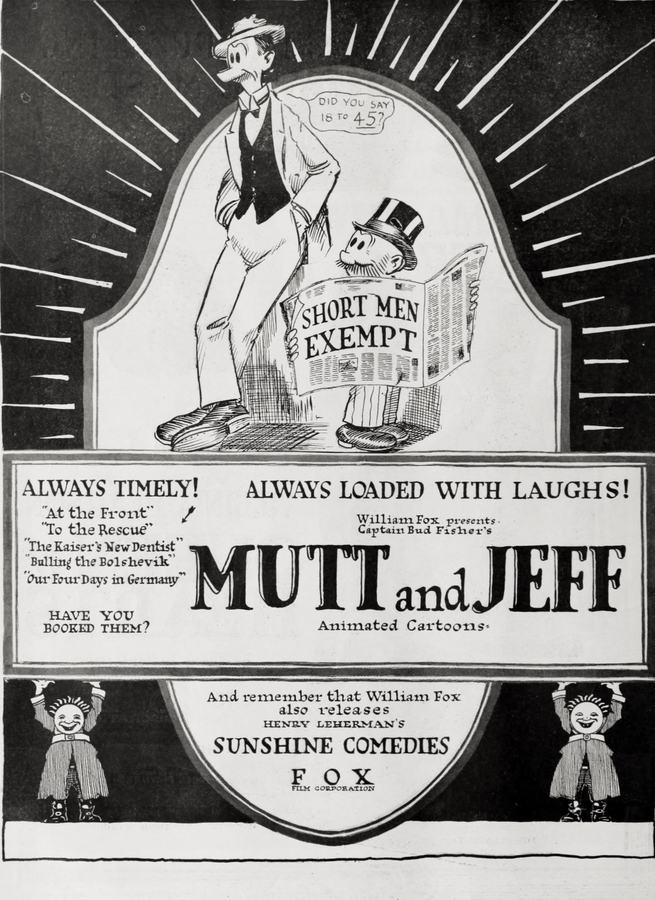
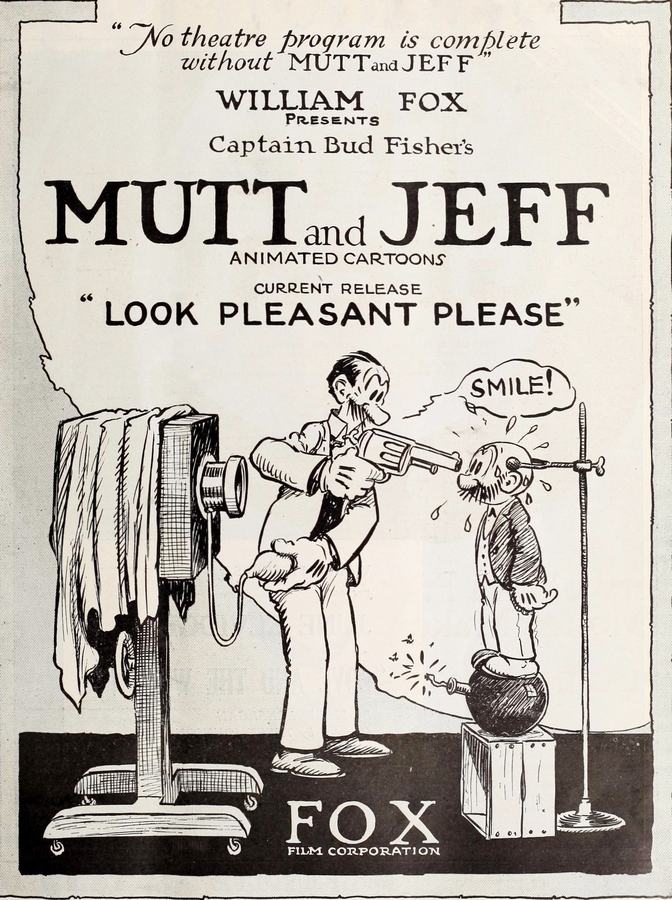
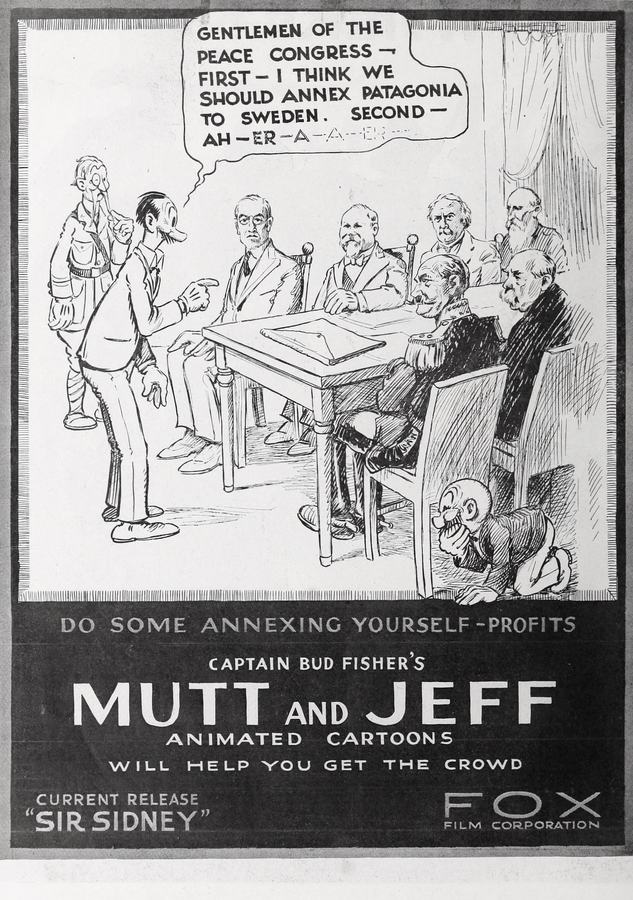
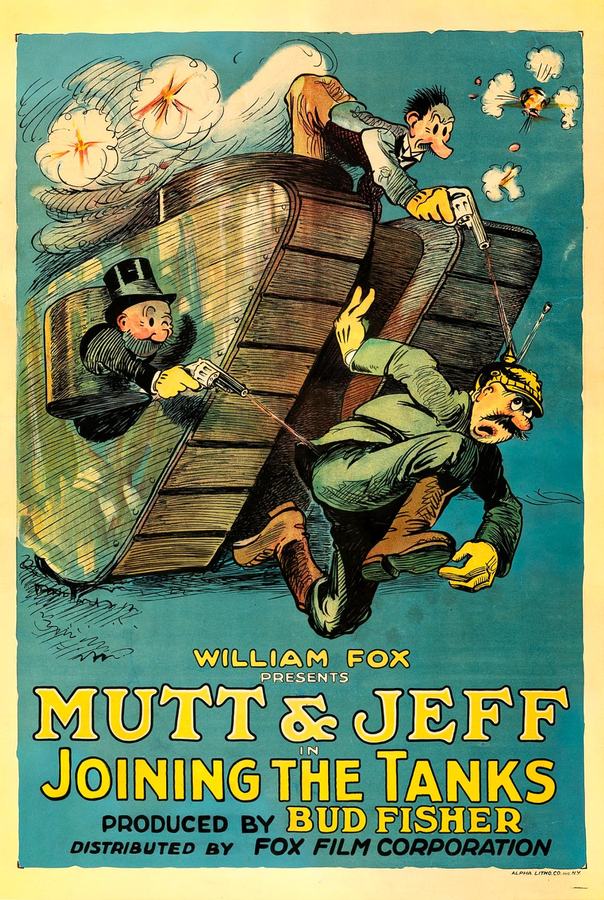
The silent era, a crucible of raw cinematic expression, often gifted audiences with narratives that, despite their lack of spoken dialogue, resonated with an enduring, universal truth. "Pets and Pests," a delightful romp penned and performed by the inimitable Bud Fisher, stands as a testament to this era's capacity for crafting stories that transcend the limitations of their form. It's a film that, even a century later, speaks volumes about the human condition, albeit through a lens of upro..."