DbcultAccessing Vault...
Cult Review
Senior Film Conservator
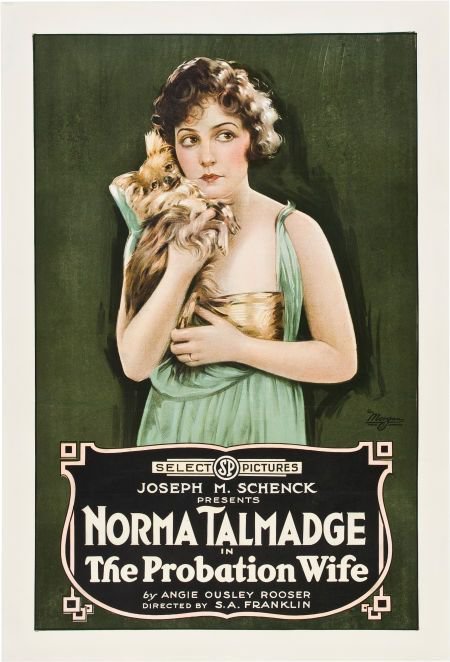
In the annals of early cinema, few narratives captured the intricate dance between societal constraint and individual yearning with the poignant clarity of The Probation Wife (1919). This cinematic gem, a testament to the era's dramatic prowess, transcends its simple premise to offer a deeply resonant exploration of identity, agency, and the transformative power of an unconventional love. Directed with a keen eye for human frailty and resilience, and penned by the insightful duo of Angie Ousley Rooser and Kathryn Stuart, the film unfurls a story that, even today, feels remarkably prescient in its dissection of class, gender, and the societal judgments that often define, or attempt to define, a person's worth.
At the heart of this compelling drama lies Josephine, portrayed with breathtaking nuance by the incomparable Norma Talmadge. Her character's genesis is rooted in the shadowed alleys and smoky haze of an infamous dive, a crucible where survival necessitated a mastery of less-than-virtuous skills. Raised in an environment where morality was a luxury and larceny a practical art, Josephine's early life is a stark tableau of deprivation and compromised innocence. It is within this bleak landscape that fate, in its capricious manner, orchestrates a pivotal encounter. Harrison, a celebrated novelist, and his wife, Nina, embark on a misguided expedition into this underworld, a foray born perhaps of a desire for authentic experience or a voyeuristic curiosity. Their brief interaction with Josephine culminates in an offering—a sum intended to be her ticket to emancipation. Yet, the cruel hand of circumstance, personified by her grasping guardian, snatches this nascent hope away, illustrating the formidable barriers that often obstruct genuine social mobility. This initial act of both charity and theft sets the stage for Josephine's arduous journey, a path fraught with setbacks and the constant struggle against her predetermined social station. Her eventual consignment to a reformatory is not merely a consequence of her environment but a symbolic representation of society's punitive response to those trapped in its margins. The reformatory, rather than a place of rehabilitation, becomes a crucible for her burgeoning will, fueling a defiant spirit that refuses to be contained.
Josephine's audacious escape from the reformatory marks a decisive turning point, a bold declaration of her refusal to be defined by her past. Her subsequent quest for Harrison, now a man navigating the solitary currents of divorce, is driven by a singular, desperate ambition: to irrevocably alter the trajectory of her life. She proposes a marriage of convenience, an audacious proposition where she offers herself not for love, but for the promise of respectability and a definitive escape from the life she was born into. This arrangement, initially a pragmatic alliance, echoes the thematic undercurrents found in films like Armstrong's Wife, where the institution of marriage is often presented as a means to an end, a social contract rather than a romantic ideal. However, the narrative of The Probation Wife quickly complicates this transactional premise. The brutal intrusion of a raid, sending Josephine back to the reformatory, underscores the fragility of her newfound freedom and the pervasive reach of her past. It is Harrison's subsequent decision to marry her 'in name only' that truly ignites the film's central conflict and its most profound thematic explorations. This arrangement, conceived as a temporary reprieve from legal entanglement, becomes a fertile ground for the slow, often imperceptible growth of genuine affection and respect. The initial pretense of their union forces both characters to confront their preconceived notions of love, commitment, and the societal expectations placed upon them.
The fragile peace of Harrison and Josephine's unconventional marriage is shattered by the re-entry of Nina, Harrison's former wife, into their lives. Nina, now unhappily married, embodies a common trope of the era, the jilted or discontented ex-spouse whose presence serves as a catalyst for dramatic tension. Her relentless pursuit of Harrison, fueled by a potent cocktail of nostalgia, regret, and perhaps a touch of possessiveness, forces both Harrison and Josephine to confront the true nature of their feelings. This dynamic is not unlike the romantic entanglements seen in films such as His Golden Romance, where past relationships loom large, threatening present happiness. It is here that the character of Huntley McMerton, Harrison's astute friend, emerges as a pivotal figure. McMerton, with a shrewd understanding of human psychology, recognizes the nascent affections stirring beneath the surface of Harrison's stoicism and Josephine's guarded demeanor. His strategic intervention, guiding Josephine to cultivate Harrison's jealousy, is a masterstroke of narrative design. It is a testament to the film's sophisticated understanding of emotional manipulation as a pathway to genuine revelation. This calculated gambit is not born of malice but of a desire to strip away the layers of pretense and allow authentic emotions to surface. The scene where Harrison, confronted with the prospect of losing Josephine, finally declares his love, is a powerful catharsis, a moment where the pragmatic facade crumbles to reveal the depth of his affection. This emotional crescendo is expertly handled, showcasing the silent film's remarkable ability to convey profound sentiment through gesture, expression, and the subtle interplay of light and shadow.
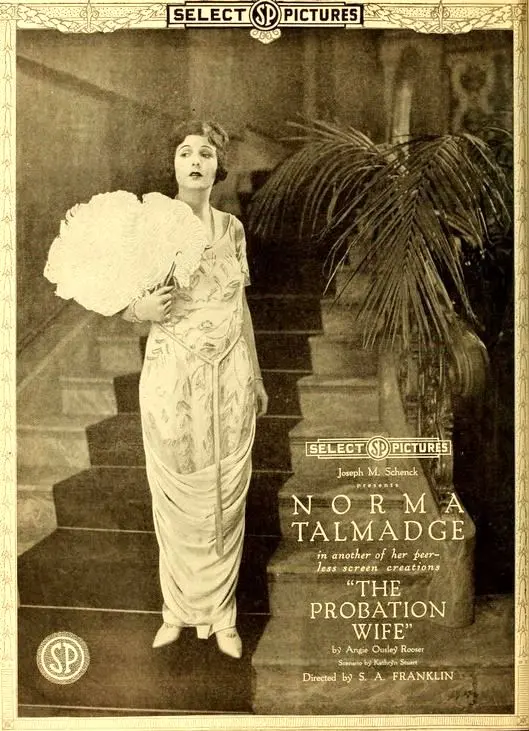
Norma Talmadge's portrayal of Josephine is nothing short of magnificent. She imbues the character with a raw vulnerability that gradually transforms into a quiet strength, making Josephine's journey from a cynical survivor to a woman capable of deep love utterly believable. Talmadge's eyes, often described as windows to the soul, convey a spectrum of emotions—fear, defiance, hope, and ultimately, joy—without the need for spoken dialogue. Her performance anchors the film, drawing the audience into Josephine's plight and triumph. Thomas Meighan, as Harrison, provides a compelling counterpoint. His character’s arc, from a somewhat detached observer to a man deeply in love, is rendered with a subtlety that avoids melodrama. Meighan skillfully portrays Harrison's internal struggle, the gradual thawing of his intellectual reserve as Josephine chips away at his carefully constructed world. The supporting cast, including Alec B. Francis and Florence Billings, contribute significantly to the film's richness, each embodying their roles with a distinct presence. McMerton, in particular, stands out as a character whose wisdom and loyalty are instrumental to the narrative's resolution. The interplay between these actors, often relying on exaggerated gestures and facial expressions characteristic of the silent era, is nevertheless nuanced and effective, ensuring that the emotional beats land with precision and impact.
The Probation Wife is more than just a romantic drama; it is a profound commentary on the societal rigidities of its time, a theme often explored in works like The Honor of Mary Blake. The film meticulously dissects the concept of social stratification, illustrating how one's origins can cast a long, inescapable shadow. Josephine's struggle is not merely against poverty but against the indelible stigma of her past, a mark that society is quick to brand upon her. Her journey is one of self-actualization, a fierce determination to transcend her circumstances and redefine her identity on her own terms. The film also delves into the complex nature of marriage itself. Initially a pragmatic arrangement, it evolves into a genuine partnership, challenging the prevailing notions of what constitutes a 'proper' union. It suggests that love can blossom in the most unexpected of circumstances, often defying societal conventions and expectations. The idea of redemption, a central pillar of the narrative, is explored not as an act of divine intervention but as a laborious process fueled by personal resolve and the unwavering belief of another. Josephine's transformation is not instantaneous; it is a gradual shedding of her past, facilitated by Harrison's eventual acceptance and love. This narrative of overcoming adversity through a combination of personal strength and external support resonates deeply, making the film a powerful allegory for hope and second chances. The film also subtly addresses female agency, a burgeoning theme in early 20th-century cinema. Josephine, despite her vulnerable position, is not a passive recipient of fate. She actively seeks out Harrison, proposes the marriage, and ultimately, with McMerton's guidance, orchestrates the emotional catalyst that secures her happiness. This portrayal of a woman taking charge of her destiny, however constrained, was a significant departure from more conventional narratives of passive heroines.
The lasting impact of The Probation Wife lies not only in its compelling narrative and stellar performances but also in its enduring thematic relevance. It is a story that speaks to the universal human desire for acceptance, belonging, and the chance to forge a new path, regardless of one's origins. The concluding suggestion from Josephine to her friend, advising a similar strategy to rekindle a husband's affections, serves as a charming and insightful bookend, highlighting the practical wisdom gained through her own tumultuous journey. This moment subtly underscores the film's message that understanding human nature, particularly the nuances of romantic relationships, can be a powerful tool for navigating life's complexities. In an era where cinema was still finding its voice, The Probation Wife stands as a testament to the power of visual storytelling to convey intricate emotions and complex social critiques. Its exploration of class divides, the societal pressures on women, and the unexpected blossoming of love in the face of adversity ensures its place as a significant piece of cinematic history. Films like Le roman d'un caissier and Builders of Castles similarly tackled themes of social mobility and the construction of new identities, but The Probation Wife uniquely blends these with a deeply personal romantic drama that feels both intimate and grand in scope. It’s a film that reminds us that true love often requires navigating a labyrinth of societal expectations, personal demons, and strategic maneuvers, ultimately emerging stronger and more authentic on the other side. This blend of social commentary and heartfelt romance makes The Probation Wife a compelling watch even a century after its initial release, demonstrating the timeless appeal of a well-told story about the human spirit's capacity for transformation and enduring affection.
The film's enduring charm lies in its ability to take a seemingly scandalous premise – a marriage of convenience to escape a criminal past – and transform it into a deeply moral and emotionally resonant tale. It challenges the audience to look beyond superficial judgments and recognize the inherent worth and potential for goodness in every individual. The journey of Josephine is not just about finding love, but about finding herself, about asserting her dignity in a world that sought to deny it. Her evolution from a street-hardened survivor to a confident woman who can offer sagacious advice to a friend speaks volumes about the film's optimistic outlook on human potential. The narrative arc, from the dark, oppressive atmosphere of the dive to the eventual warmth and light of a genuine, loving home, is a powerful visual metaphor for Josephine's personal transformation. The contrast in settings accentuates the magnitude of her journey and the significance of the choices she makes. It's a testament to the vision of writers Angie Ousley Rooser and Kathryn Stuart, who crafted a story that dared to explore the complexities of human relationships and societal norms with both sensitivity and boldness. The Probation Wife remains a compelling example of how silent cinema, with its reliance on visual storytelling and emotional performances, could deliver narratives that were both entertaining and profoundly thought-provoking, leaving an indelible mark on the viewer's heart and mind.

IMDb —
1927
Community
Log in to comment.