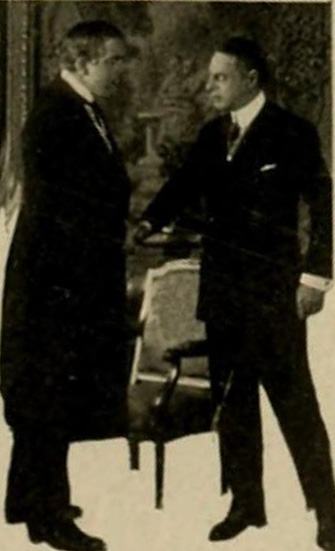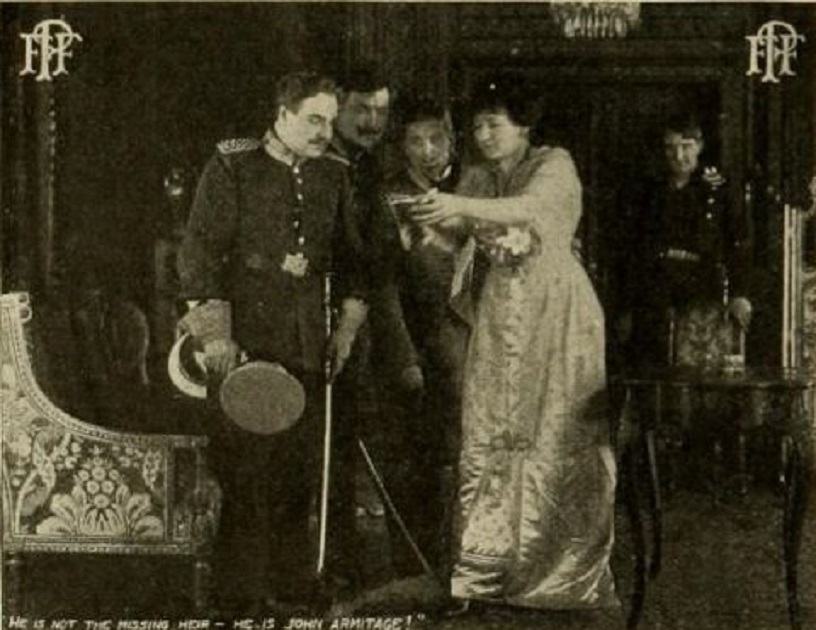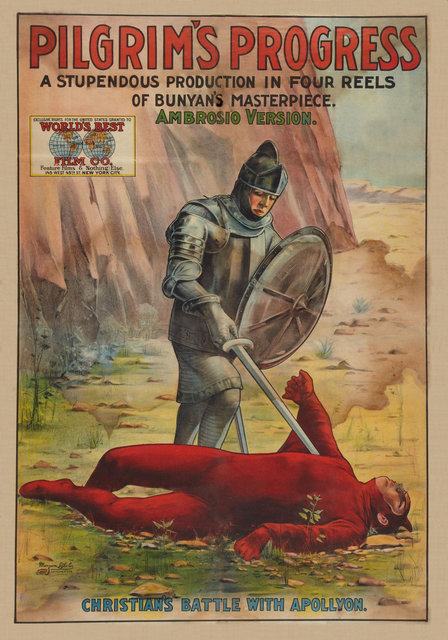
Consists of two parts: Part One: The Life of John Bunyon (2 reels); Part Two: The Pilgrim's Progress (3 reels)..
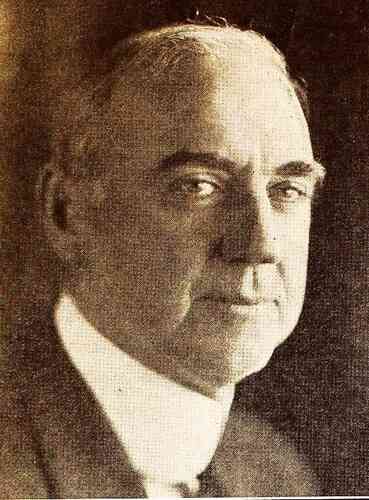
John Bunyan
United States
Stepping into the cinematic landscape of "Pilgrim's Progress" feels akin to unearthing a time capsule, a silent testament to an era when the nascent art form grappled with monumental literary and spiritual texts. This ambitious adaptation, drawing from John Bunyan's perennial allegory, represents a signif...
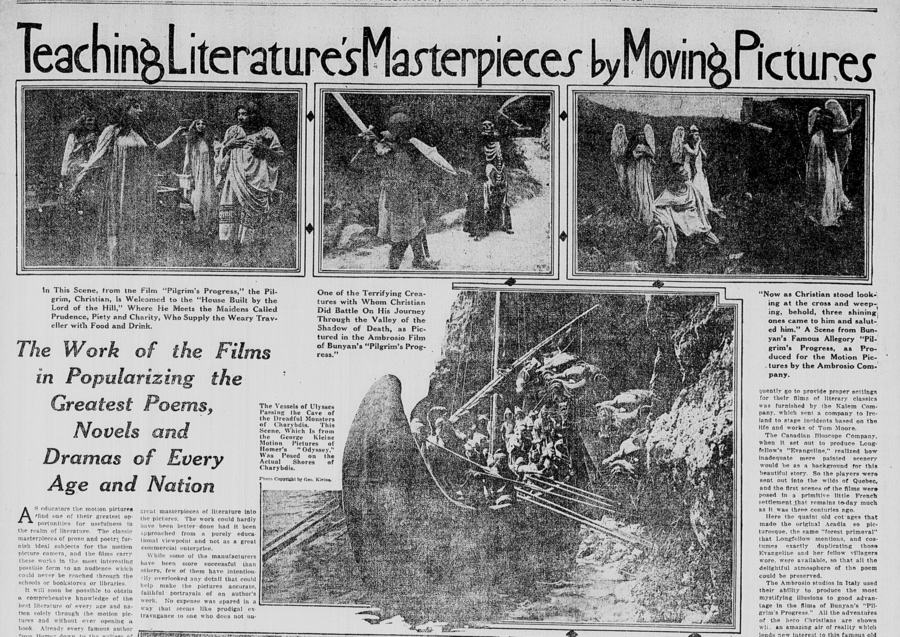
publicity
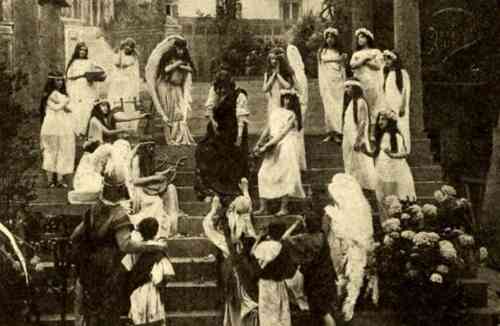
still_frame
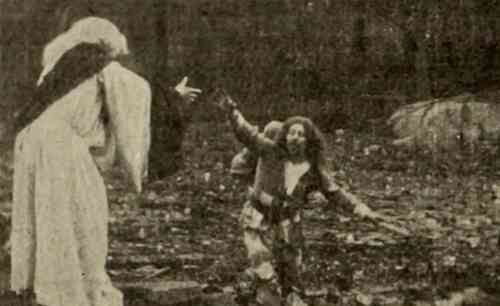
still_frame
Comparing the cinematic DNA and archive impact of two defining moments in cult history.
Francis Powers
Francis Powers
Community
Log in to comment.
" Stepping into the cinematic landscape of "Pilgrim's Progress" feels akin to unearthing a time capsule, a silent testament to an era when the nascent art form grappled with monumental literary and spiritual texts. This ambitious adaptation, drawing from John Bunyan's perennial allegory, represents a significant undertaking for its time, attempting to translate the profound theological journey from the printed page to the flickering screen. It's a dual-pronged narrative, commencing w..."
1914 · IMDb —
Francis Powers
Deep dive into the cult classic
Discover similar cinematic experiences
A Directorial Spotlight on Francis Powers