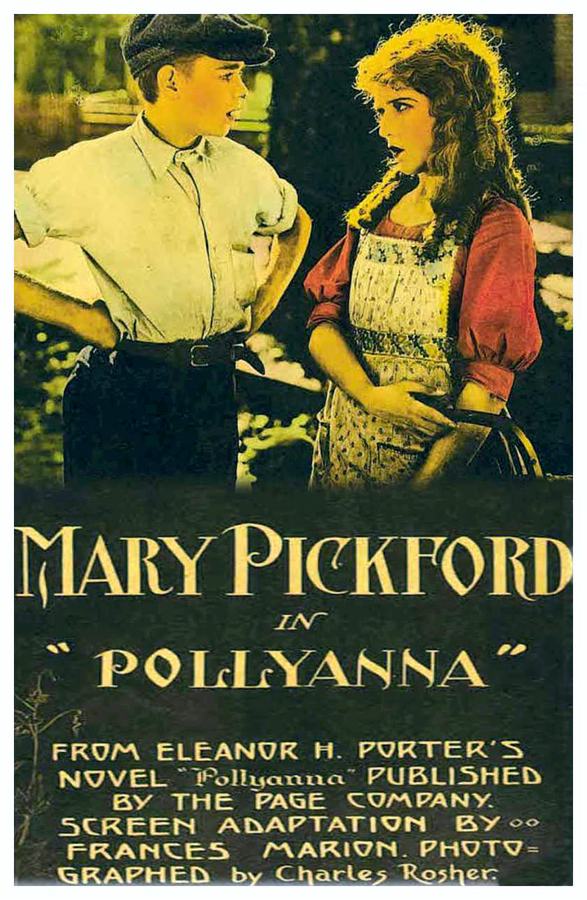
An orphan's optimistic outlook brings a change to the ill-tempered town in which she resides to her aunt..
Catherine Chisholm Cushing, Frances Marion, Eleanor H. Porter
United States
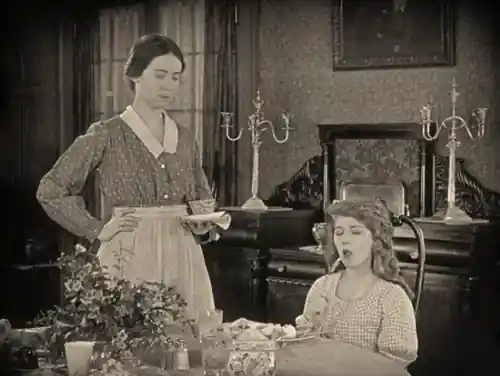
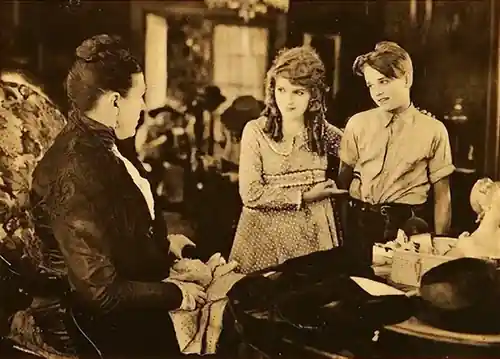
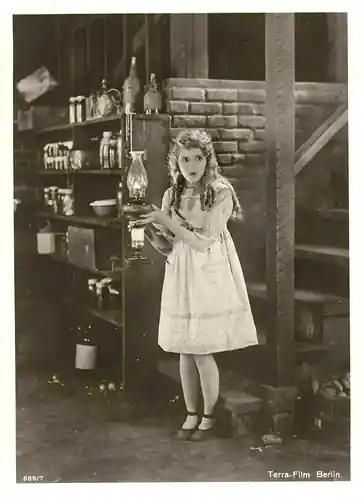
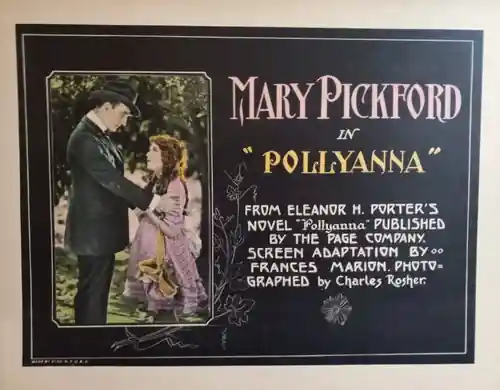
The cinematic landscape of the early 20th century was a fertile ground for narratives exploring the human spirit's resilience, often against formidable odds. Among these, Pollyanna, released in 1920, stands as a shimmering beacon, a testament to the power of unyielding optimism. Directed by Paul Powell an...
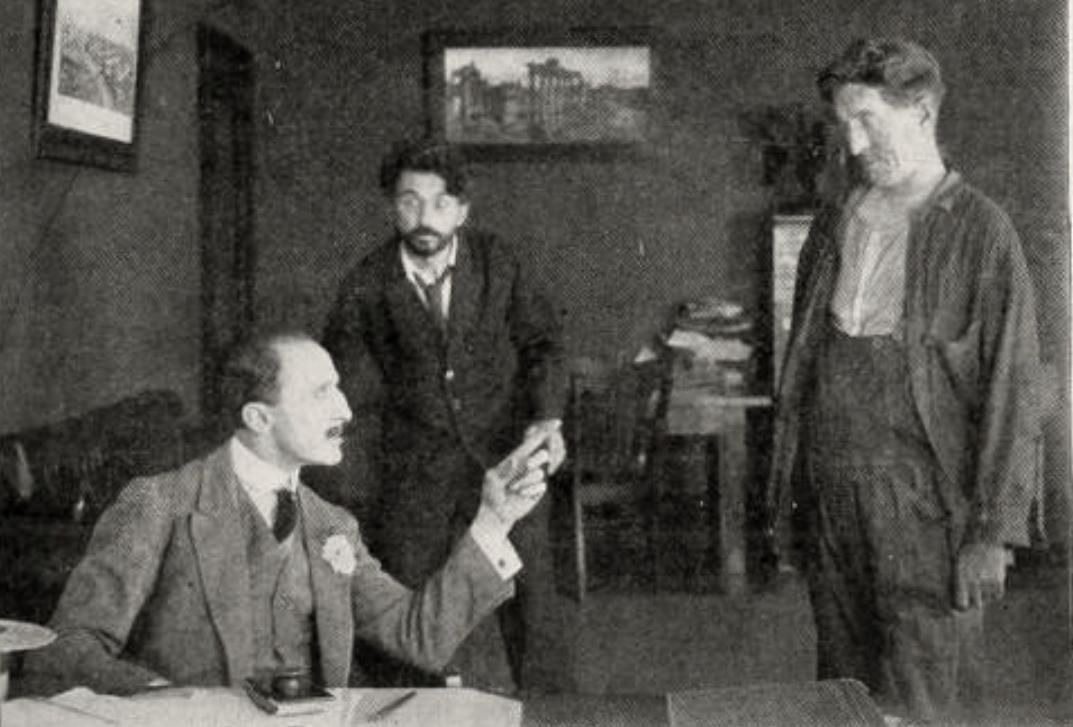
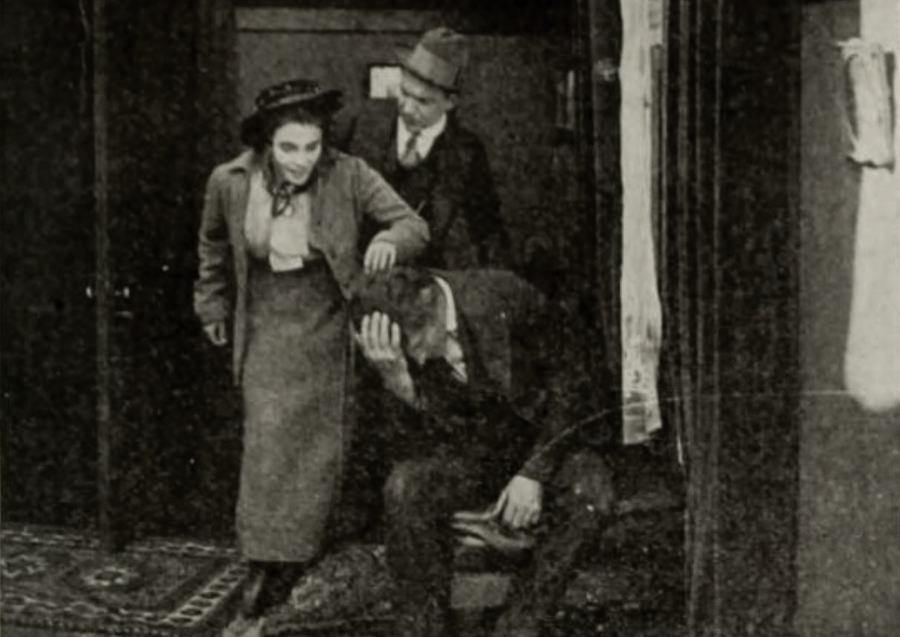
still_frame
still_frame
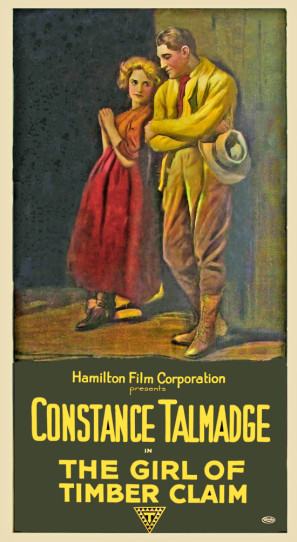
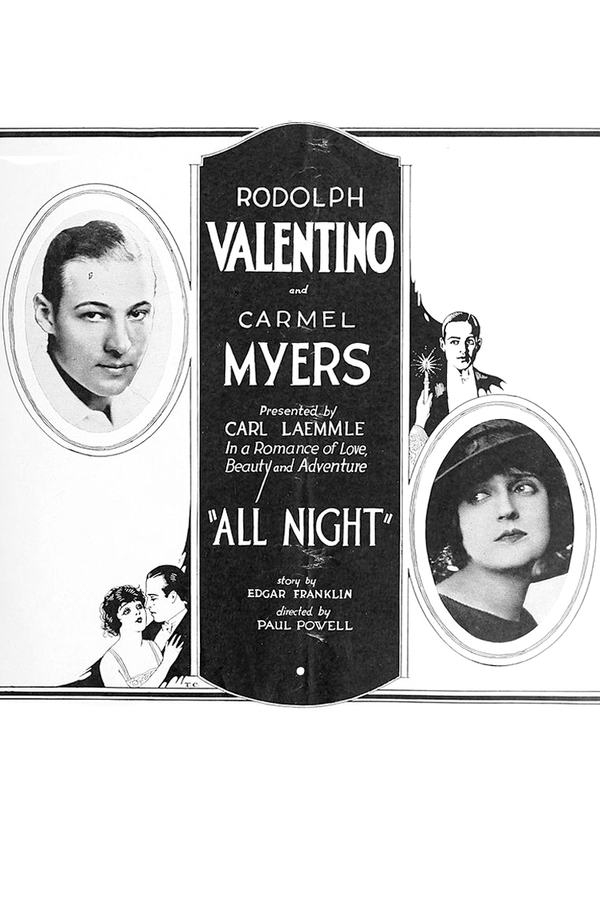
publicity
publicity
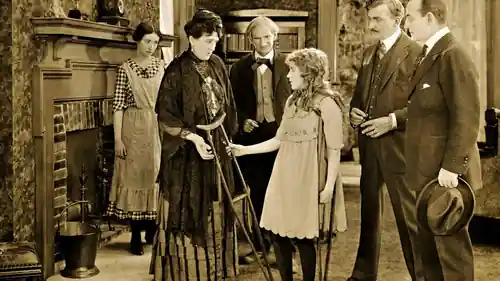
still_frame
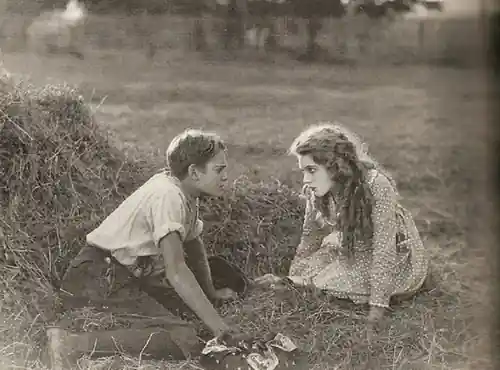
still_frame
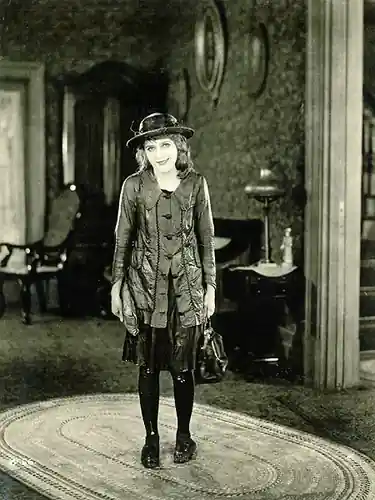
still_frame
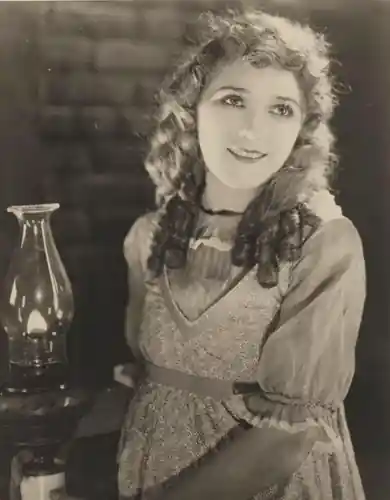
publicity
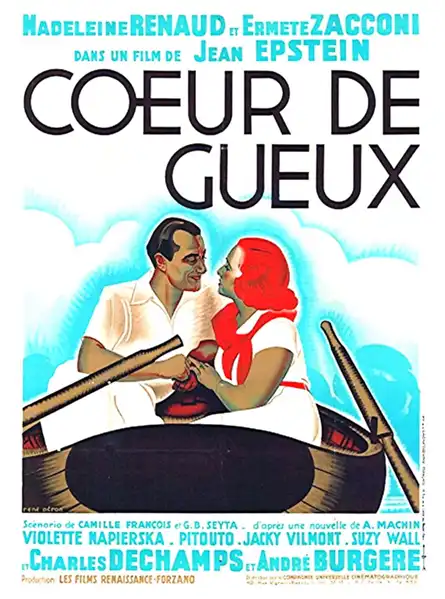
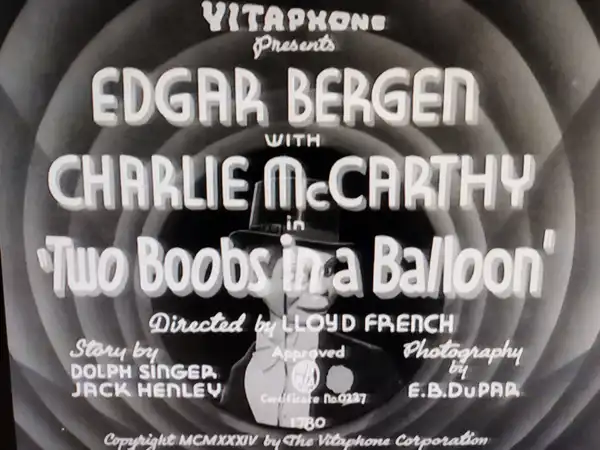
Comparing the cinematic DNA and archive impact of two defining moments in cult history.
Paul Powell
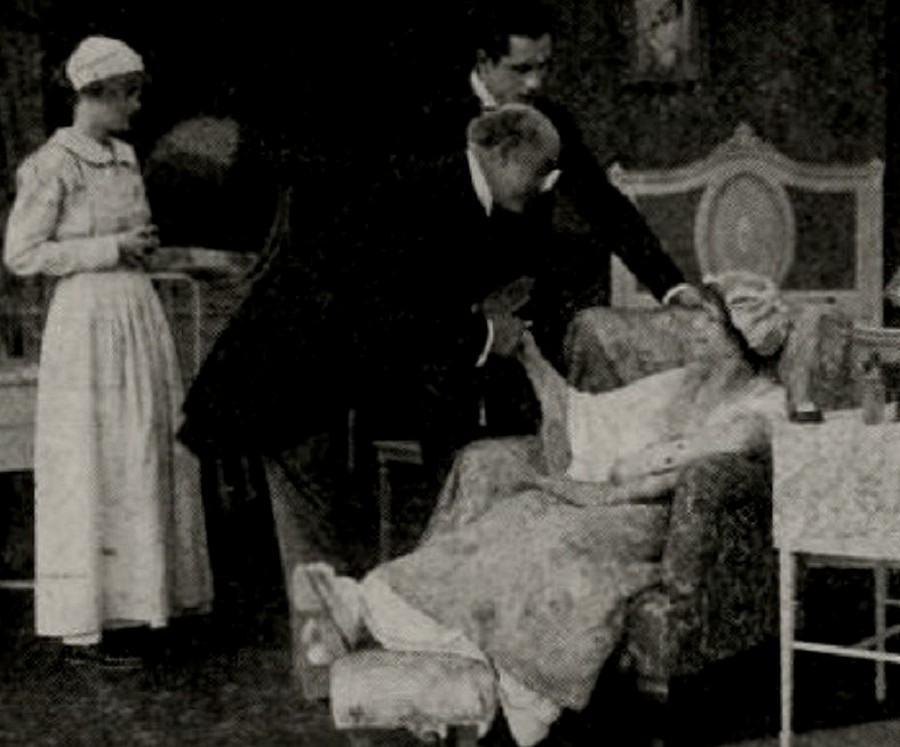
Paul Powell
Community
Log in to comment.
" The cinematic landscape of the early 20th century was a fertile ground for narratives exploring the human spirit's resilience, often against formidable odds. Among these, Pollyanna, released in 1920, stands as a shimmering beacon, a testament to the power of unyielding optimism. Directed by Paul Powell and starring the incomparable Mary Pickford, this adaptation of Eleanor H. Porter's beloved novel transcended its literary origins to become a cultural touchstone, cementing an arche..."