DbcultAccessing Vault...
6.5/10
Senior Film Conservator
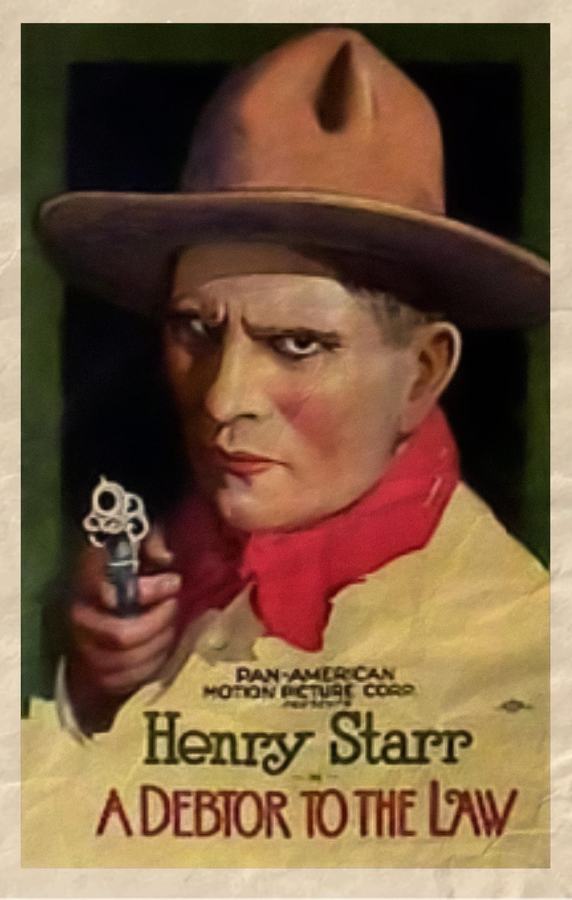
A definitive 6.5/10 rating for a film that redefined the boundaries of cult cinema. A Debtor to the Law remains a cornerstone of transgressive art.
"A Debtor to the Law" unfurls a narrative tapestry woven with the taut threads of criminal ambition, instantaneous consequence, and the unforeseen heroism of the commonplace. This cinematic endeavor, though perhaps less heralded than some of its contemporaries, offers a compelling, almost stark, examination of a meticulously planned transgression that unravels with a brutal swiftness, proving once again that even the most calculated acts are susceptible to the capricious whims of fate and the unexpected intervention of ordinary individuals. It is a film that eschews grandiosity for a visceral, grounded portrayal of a world where justice, or at least retribution, can emerge from the most unlikely corners, forcing its characters into a relentless confrontation with their own moral culpability and the inexorable march of fate.
The heart of the story pulsates around the audacious robbery of the Stroud Bank, an event depicted not as a glorious spectacle but as a desperate, high-stakes gamble. From the very outset, the tension is palpable, a pervasive undercurrent that suggests the fragile nature of such a venture. The film deftly navigates the frantic energy of the heist itself, plunging the audience into the chaotic environment of a financial institution suddenly under siege. One can almost taste the metallic tang of fear and the acrid scent of gunpowder as the perpetrators, led by the enigmatic Starr, execute their ill-conceived plan. The initial success, however fleeting, quickly gives way to the perilous reality of their escape, transforming the triumph of acquisition into the desperate struggle for freedom. The meticulous planning, perhaps born of desperation or sheer avarice, is shown to be ultimately insufficient against the unpredictable human element and the sheer weight of societal disapproval. The film captures the raw, unvarnished fear that must grip both the victims within the bank and the robbers themselves, who, despite their outward resolve, are undoubtedly aware of the severe penalties for their transgressions.
What truly distinguishes "A Debtor to the Law" from a mere genre exercise is the pivotal moment of the escape. As Starr and his accomplices attempt to melt back into the anonymity of the world beyond Stroud, their carefully constructed getaway plan is dramatically shattered. It is here that the film introduces its moral compass, an unexpected figure in the form of a teenager, Paul Curry. Witnessing the brazen act, Curry’s youthful idealism and acute sense of right and wrong propel him into action. Armed with a rifle, he becomes an impromptu agent of justice, his single, decisive shot striking Starr in the leg. This moment is not just a plot device; it is the fulcrum upon which the entire narrative pivots, transforming a straightforward criminal flight into a harrowing battle for survival and an immediate reckoning for Starr. The wound is more than physical; it is a symbolic blow to the impunity the criminals presumed, a stark reminder that their actions have tangible, painful consequences. The film masterfully portrays the instant shift from calculated criminality to desperate flight, highlighting the profound psychological impact of Paul’s intervention on Starr’s already fragile composure. The sudden, searing pain and the immediate incapacitation must strip away any remaining illusion of control, leaving Starr vulnerable and exposed.
The performances are central to the film's gritty realism and its exploration of human nature under duress. William Hackett, as Starr, embodies the desperate criminal with a nuanced portrayal that transcends simple villainy. His performance likely captures the initial bravado, the creeping anxiety during the escape, and the raw, unadulterated pain and frustration following his injury. Hackett navigates the character's descent from a figure of menace to one of vulnerability, forced to confront the immediate, brutal repercussions of his choices. His physical incapacitation mirrors his moral and strategic downfall, grounding the character in a relatable, if unsettling, humanity. This isn't just a story about good versus evil; it's about the very human cost of straying beyond the societal compact, the internal conflict of a man whose grand scheme has dissolved into a agonizing personal ordeal. The subtle shifts in Hackett's demeanor, from the initial surge of adrenaline to the grim realization of his predicament, would be crucial in conveying the depth of Starr's plight.
Similarly, Patrick Sylvester McGeeney, whose role may be more peripheral but no less impactful, likely contributes significantly to the ensemble's authenticity. Whether as a fellow accomplice grappling with the escalating chaos, a townsfolk caught in the crossfire, or an authority figure attempting to restore order, McGeeney's presence would lend weight to the unfolding drama, painting a broader picture of the communal impact of such a crime. His reactions, whether of fear, determination, or moral conflict, would serve to anchor the more extreme actions of Starr and Paul Curry, providing a crucial perspective on the disruption caused by the robbery. The film, in its depiction of the aftermath, delves into the ripple effect of the bank robbery, showing how one act of lawlessness can disrupt an entire community, compelling ordinary citizens to extraordinary measures. The uncredited writers, through their incisive script, craft a narrative that feels both immediate and timeless, exploring themes that resonate far beyond the specific confines of the Stroud Bank, focusing on universal truths about human behavior under pressure.
The film’s thematic underpinnings are surprisingly rich for a seemingly straightforward crime drama. It meticulously explores the concept of justice, not merely as a legal construct, but as an inherent human drive. Paul Curry’s spontaneous act of defiance is a powerful testament to the idea that some moral lines, when crossed, provoke an immediate, instinctual response from those who witness them. This vigilante justice, while perhaps legally ambiguous, feels morally unequivocal within the context of the narrative, highlighting the raw desire for equilibrium when formal systems are momentarily overwhelmed. The film asks profound questions about the nature of responsibility and the individual's role in upholding societal order, even when faced with significant personal risk. It delves into the internal debate that must have plagued young Paul: to act or to remain a passive observer? His choice to intervene speaks volumes about the film's underlying message regarding civic duty and the potent capacity for courage in unexpected places. This element of individual moral courage resonates deeply, suggesting that justice is not solely the domain of institutions but also a personal imperative.
Furthermore, "A Debtor to the Law" serves as a stark allegory for the inevitable consequences that shadow criminal endeavors. The initial thrill of the heist quickly dissipates, replaced by the crushing weight of pursuit and the very real physical and psychological toll it exacts. Starr's injury is not just a setback; it is a profound symbol of the inescapable debt owed to the law, a tangible manifestation of the universe's demand for balance. This resonates with the fatalistic undertones often found in similar narratives, where the pursuit of ill-gotten gains invariably leads to a reckoning. The film suggests that the 'law' is not merely a set of statutes, but an almost cosmic force that eventually catches up to those who transgress its boundaries. The physical pain Starr endures is a direct, visceral consequence of his actions, a constant reminder that his attempt to defy the law has resulted in a crippling blow, both literally and figuratively. This immediate and personal form of retribution is far more impactful than a distant legal process, drawing the audience into Starr's agonizing predicament.
In its raw depiction of a heist gone awry, "A Debtor to the Law" finds kinship with films that explore the precarious nature of criminal ambition. One might draw parallels to the psychological tension inherent in a film like Les chacals, where the hunters become the hunted, and the line between predator and prey blur amidst escalating stakes. Both films, in their own ways, dissect the unraveling of meticulously laid plans under duress, foregrounding the human element of fear and desperation when faced with the sudden, violent collapse of their carefully constructed realities. The abrupt, violent turn of events in "A Debtor to the Law" also echoes the dramatic reversals found in narratives like The Stolen Paradise, where characters find their illicit dreams quickly transformed into nightmares, their stolen moments of bliss giving way to bitter reality and the harshness of an unforgiving world. The sense of a paradise lost, or rather, never truly gained, permeates both narratives, emphasizing the transient nature of ill-gotten gains.
The film also subtly touches upon the moral dilemmas faced by ordinary people when confronted with extraordinary circumstances, a theme explored with depth in works such as Den retfærdiges hustru. While the specific contexts differ, both narratives examine the choices individuals make when personal safety and societal duty clash, highlighting the inherent complexities of moral agency. Paul Curry's act, while impulsive, is driven by a deep-seated conviction, much like characters in films where personal ethics dictate formidable actions against overwhelming odds. The courage of an individual to stand against injustice, regardless of the potential cost, is a powerful and recurrent motif across cinematic history, reminding us that heroism often emerges from the most unexpected places and people. This sense of individual responsibility in the face of collective threat is a cornerstone of the film’s enduring resonance.
The narrative structure of "A Debtor to the Law" is commendably lean and focused, concentrating intensely on the immediate aftermath of the crime rather than an elaborate setup. This choice imbues the film with an urgent, almost breathless pace, mirroring the robbers' desperate flight. The tension is sustained not through convoluted plot twists, but through the relentless pressure of their predicament and the tangible threat of capture, both from the authorities and from their own failing bodies and morale. The visual language, though not explicitly detailed, would undoubtedly emphasize this claustrophobic sense of impending doom, perhaps utilizing tight shots during the escape and a stark contrast between the bucolic surroundings, now stained by violence, and the desperate actions unfolding within them. The very landscape becomes another character, an unforgiving expanse through which the wounded Starr must drag himself, a physical manifestation of his moral burden and the relentless pursuit of justice. The film’s pacing would likely quicken after the shot, reflecting the rising stakes and the dwindling options for the injured robber.
This film, in its stark portrayal of a criminal enterprise collapsing under its own weight, also shares thematic echoes with films that delve into the psychological toll of illicit acts. One might recall the pervasive sense of dread and moral decay found in The Unpardonable Sin, where the consequences of one's transgressions ripple through every facet of existence, haunting the perpetrators long after the act itself. While "A Debtor to the Law" is perhaps more direct in its retribution, both films underscore the idea that certain actions carry an indelible mark, a weight that cannot be simply shed. The wounded Starr, limping away from his crime, is a living embodiment of this inescapable burden, his physical injury a constant, agonizing reminder of his failed venture and the price exacted by a vigilant society. The psychological burden of his injury, coupled with the knowledge of failure, must be immense, adding another layer of torment to his physical suffering.
The film's exploration of fate and individual agency is also noteworthy. Was Starr's injury an inevitable consequence of his chosen path, or a random twist of fate delivered by a courageous teenager? The answer likely lies in a complex interplay of both. The film suggests that while individuals may choose their path, the universe, or society, has a way of course-correcting. This deterministic undercurrent, balanced by the potent agency of Paul Curry, makes for a compelling philosophical backdrop to the action. It's a reminder that even in the most tightly controlled scenarios, the human element – be it avarice or courage – can disrupt everything. The choices made by both Starr and Paul Curry are pivotal, demonstrating how individual decisions, even seemingly small ones, can dramatically alter the course of events and the lives of those involved.
In an era where cinema often glorified outlaws, "A Debtor to the Law" opts for a more sober, cautionary tale. It doesn't romanticize the criminal lifestyle but rather exposes its inherent dangers and the swift, often brutal, comeuppance that awaits. This realistic approach distinguishes it, placing it alongside films that sought to explore the darker facets of human nature and societal breakdown, rather than merely entertaining. The film contributes to a broader cinematic tradition that scrutinizes the thin veneer of order and the volatile forces that threaten to tear it apart, forces that can sometimes be quelled by the unexpected bravery of a single individual. This unvarnished portrayal of crime and punishment offers a stark contrast to more glamorous depictions, lending the film a timeless quality of moral instruction.
The enduring appeal of "A Debtor to the Law" lies in its ability to condense complex themes of crime, justice, and consequence into a tightly structured, impactful narrative. It’s a testament to effective storytelling, where every action has a reaction, and every character, no matter how minor, plays a crucial role in the unfolding drama. The immediate gratification of the heist is quickly overshadowed by the protracted agony of the escape, a powerful dramatic arc that resonates deeply. The film serves as a potent reminder that the scales of justice, though sometimes slow, often find their balance through the most unforeseen means, championed by the most unexpected heroes. It’s a cinematic piece that perhaps doesn't shout its brilliance but whispers it through its intense focus and unwavering commitment to its core narrative of retribution and the inescapable weight of one's actions, leaving an indelible mark on the viewer's consciousness.
Ultimately, "A Debtor to the Law" is more than just a crime film; it's a profound meditation on the societal contract and the individual's role within it. It highlights the fragility of illicit gains and the robust, often primal, human instinct for justice. The film challenges viewers to consider the boundaries of right and wrong, and the potent impact a single act of courage can have in altering the course of events. It is a compelling cinematic experience that, despite its focused plot, manages to explore universal themes with a remarkable degree of depth and intensity, leaving a lasting impression long after the credits roll. Its legacy is not just in its plot mechanics, but in its unwavering portrayal of human fallibility and resilience, a testament to the power of cinema to reflect and question the very fabric of our moral universe. The film ensures that the audience feels the gravity of every decision, every bullet fired, and every step taken towards or away from justice.

IMDb 6.2
1936
Community
Log in to comment.