Summary
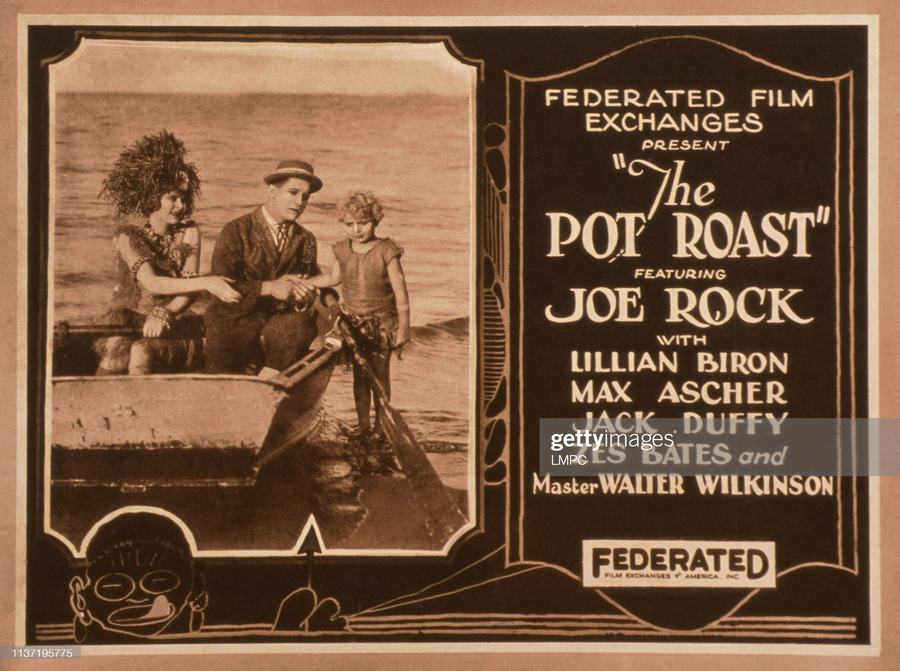
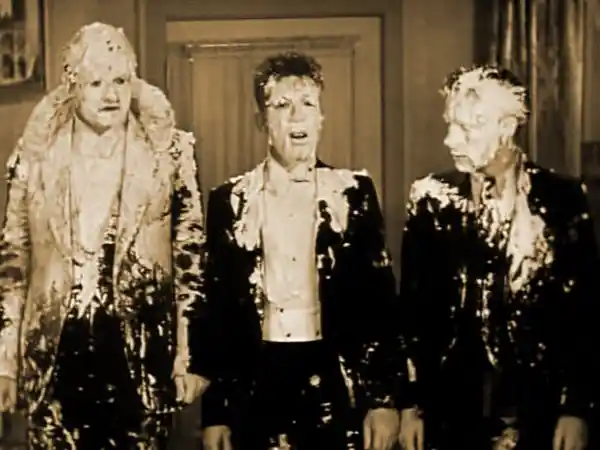
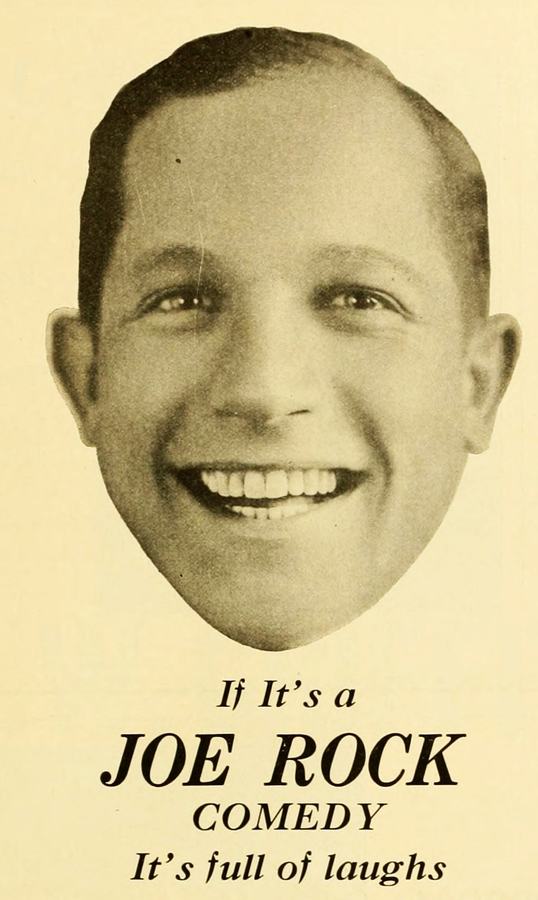
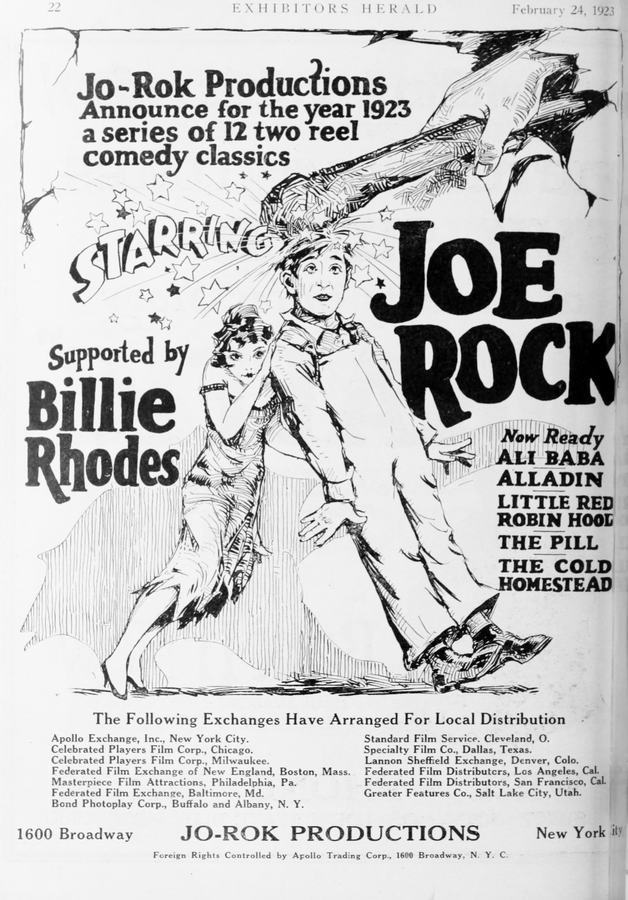
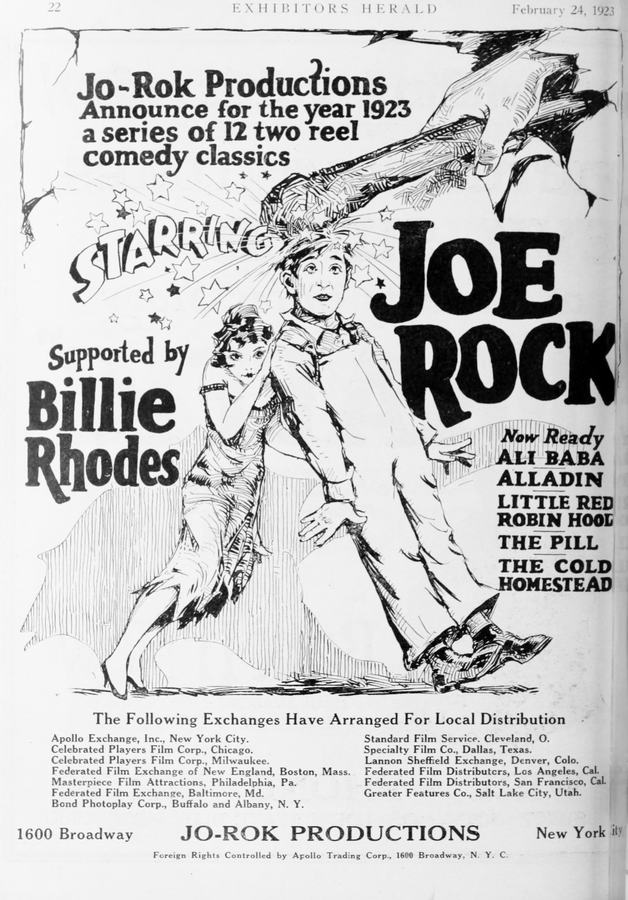
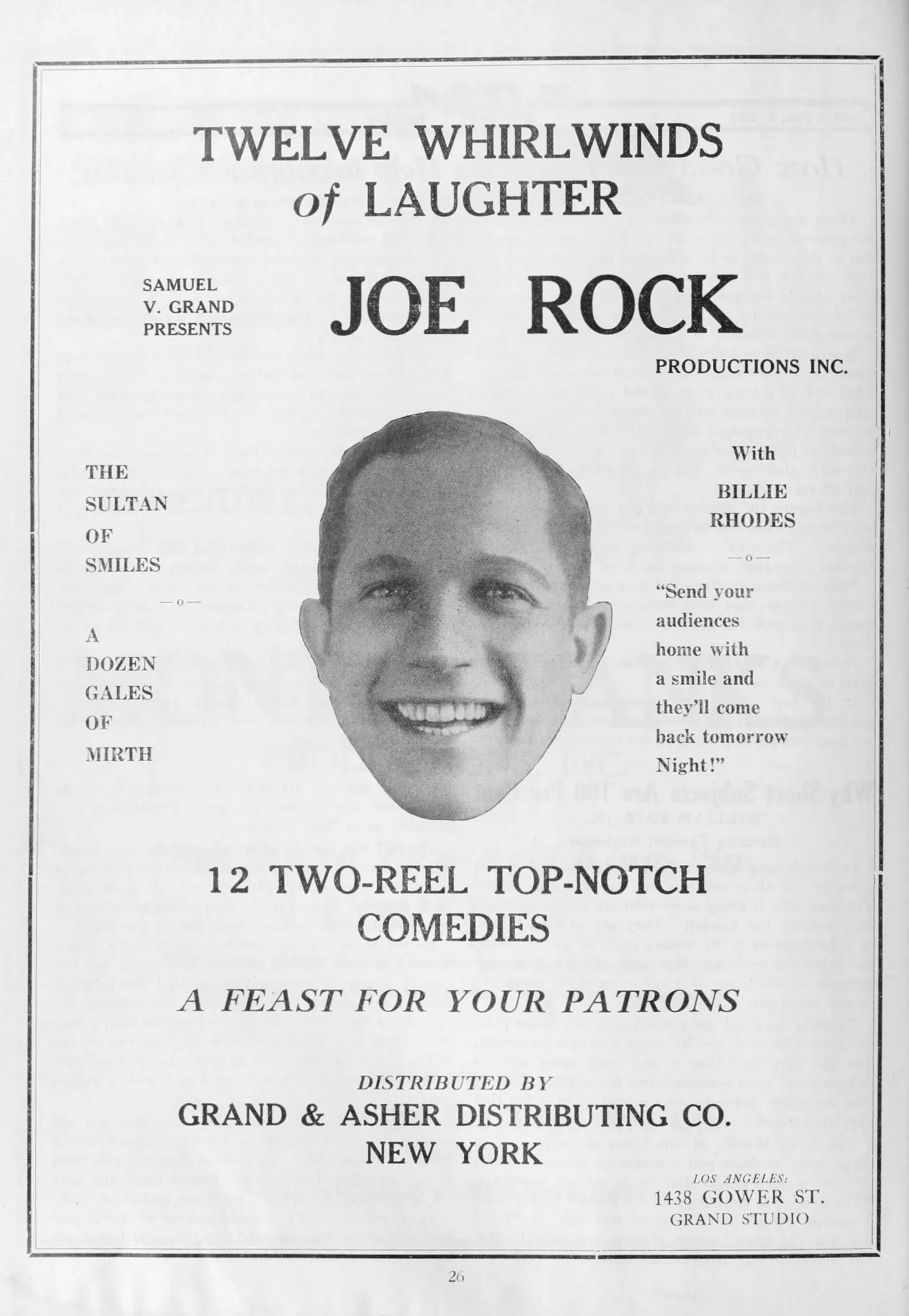
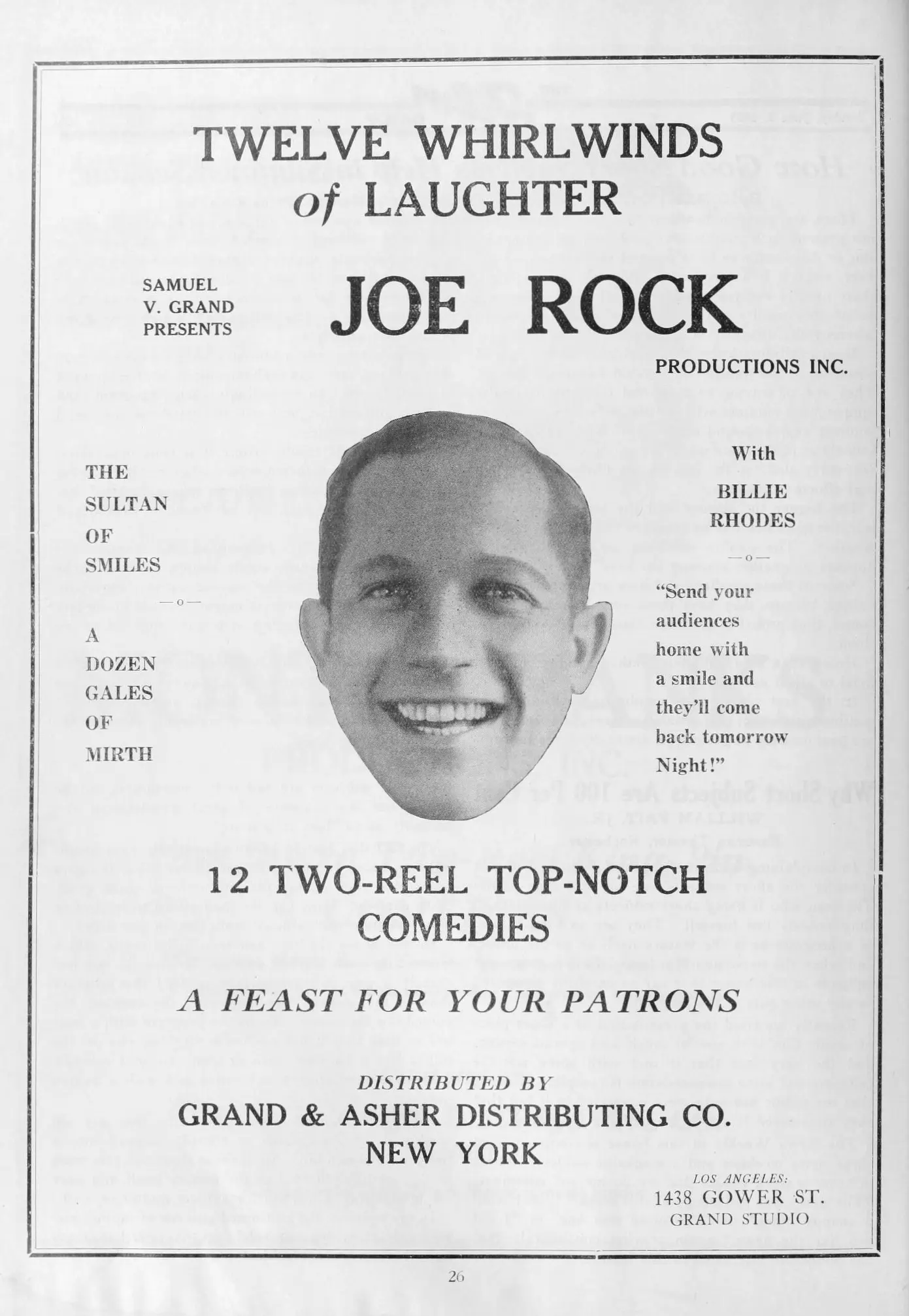
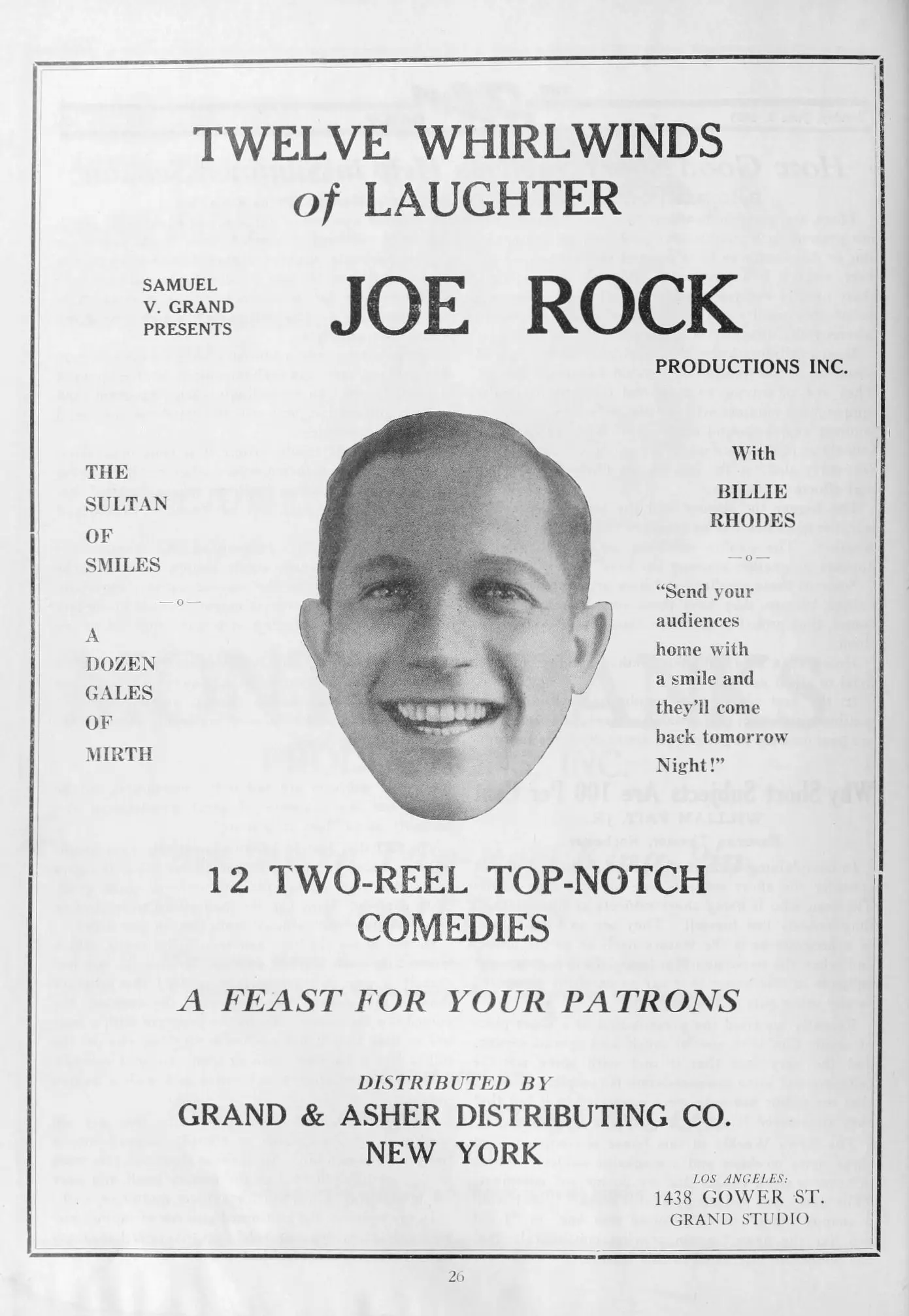
A slab of silent-era slapstick carved from pure domestic chaos, Pot Roast unspools like a kitchen-sink hallucination: a gargantuan Sunday roast—glistening, steaming, mythic—becomes the maguffin around which a battalion of bowler-hatted gluttons, flapper-dressed flirts, and one relentlessly pursued cat orchestrate a symphony of pratfalls. Max Asher’s moon-faced paterfamilias guards the platter like a museum curator protecting a Rembrandt, yet every slammed door, every mis-timed somersault, every grease-slicked doorknob conspires to exile the sacred entrée farther from the dining room, deeper into the city’s arteries—through bakeries, trolley tracks, a jail cell, and finally a rooftop, where the moonlight baptizes the shredded remnants of what once promised to be dinner. Along the route, Joe Rock’s rubber-limbed hobo and Jack Duffy’s walrus-mustached constable trade custard-pie kisses with gravity, while Lillian Biron’s wide-eyed ingenue pirouettes between them, her skirt hems snapping like semaphore flags warning of imminent collapse. The scenario is less a plot than a Rube Goldberg contraption powered by appetite, class anxiety, and the era’s newfangled electrical appliances; the roast itself, glazed and idolized, becomes a moving altar of American abundance, simultaneously revered and desecrated. By the time the surviving morsel lands in the mouth of a stray terrier, the film has already digested the entire myth of the hearth as sanctuary, coughing up a cackle that echoes forward to the hangry meltdowns of modern food-delivery culture.
Review Excerpt
"
There is a moment—roughly three minutes in, if you’re counting by the flicker lines etched into the surviving 28-mm print—when the camera simply watches the roast. No actors, no titles, just the arterial glisten of beef rendered mythic under carbon-arc light. That tableau alone vaults Pot Roast from disposable one-reeler into something approaching altar-piece: a joke-stuffed meditation on American hunger, both gastric and existential.
The film’s premise reads like a Henny Youngman gag shrunk t..."