DbcultAccessing Vault...
5/10
Senior Film Conservator
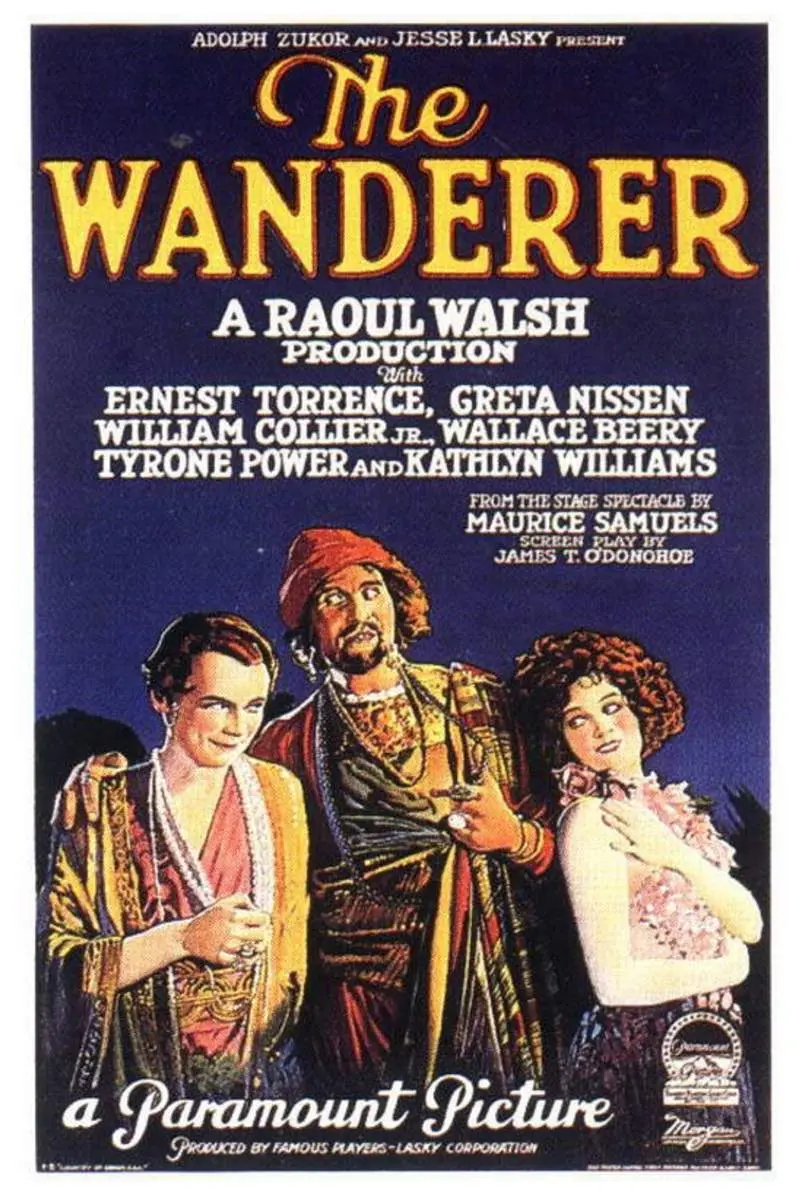
A definitive 5/10 rating for a film that redefined the boundaries of cult cinema. The Wanderer remains a cornerstone of transgressive art.
The Wanderer, a 1930 film directed by a yet unidentified director, presents a fascinating case study of a rustic country boy, Jether, who becomes enthralled by the allure of city life. His journey into the heart of urban decay is facilitated by Tisha, played by Greta Nissen, whose character seems to embody the siren-like qualities often associated with femmes fatales in cinema.
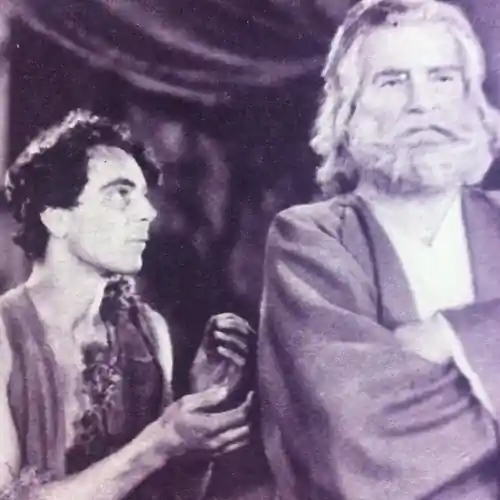
Jether's integration into high society is largely facilitated by Tola, a morally ambiguous figure who seems to operate on the fringes of the law. This character archetype bears some resemblance to those found in films like The Master Cracksman and When the Devil Drives, where characters frequently exist in a gray area between right and wrong.
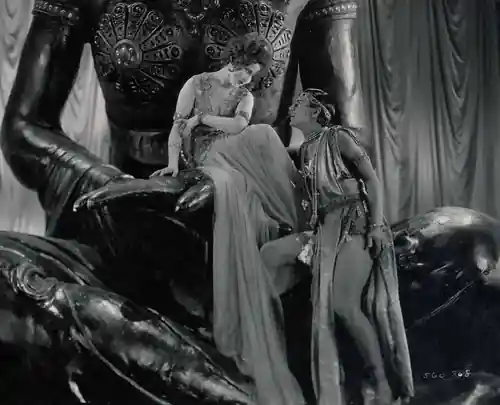
The film's exploration of themes such as morality, deception, and the fragility of human relationships is noteworthy. These motifs are similarly probed in films like The Detectress and The Eye of Envy, which also delve into the complexities of human nature and the blurred lines between truth and fiction.
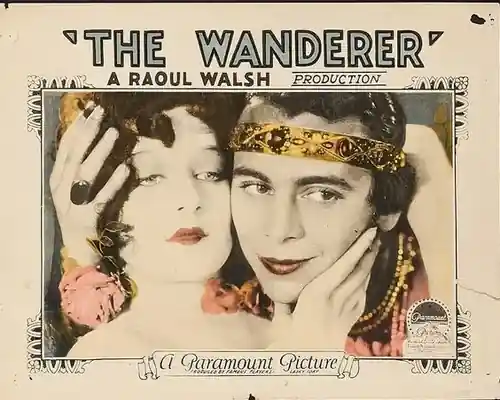
One of the most striking aspects of The Wanderer is its use of visual motifs to convey the disintegration of moral boundaries. The cinematography is noteworthy for its depiction of the city's underbelly, replete with shadowy alleys and smoke-filled rooms. This aesthetic bears some resemblance to that of Ballet mécanique, which also employs a stylized visual approach to convey the chaos and disorder of modern urban life.

The performances in The Wanderer are varied, with Sôjin Kamiyama and Myrna Loy delivering particularly nuanced portrayals. Wallace Beery, in a supporting role, brings a certain gravitas to the film, while Greta Nissen's Tisha is a study in contrasts, oscillating between vulnerability and manipulative cunning.
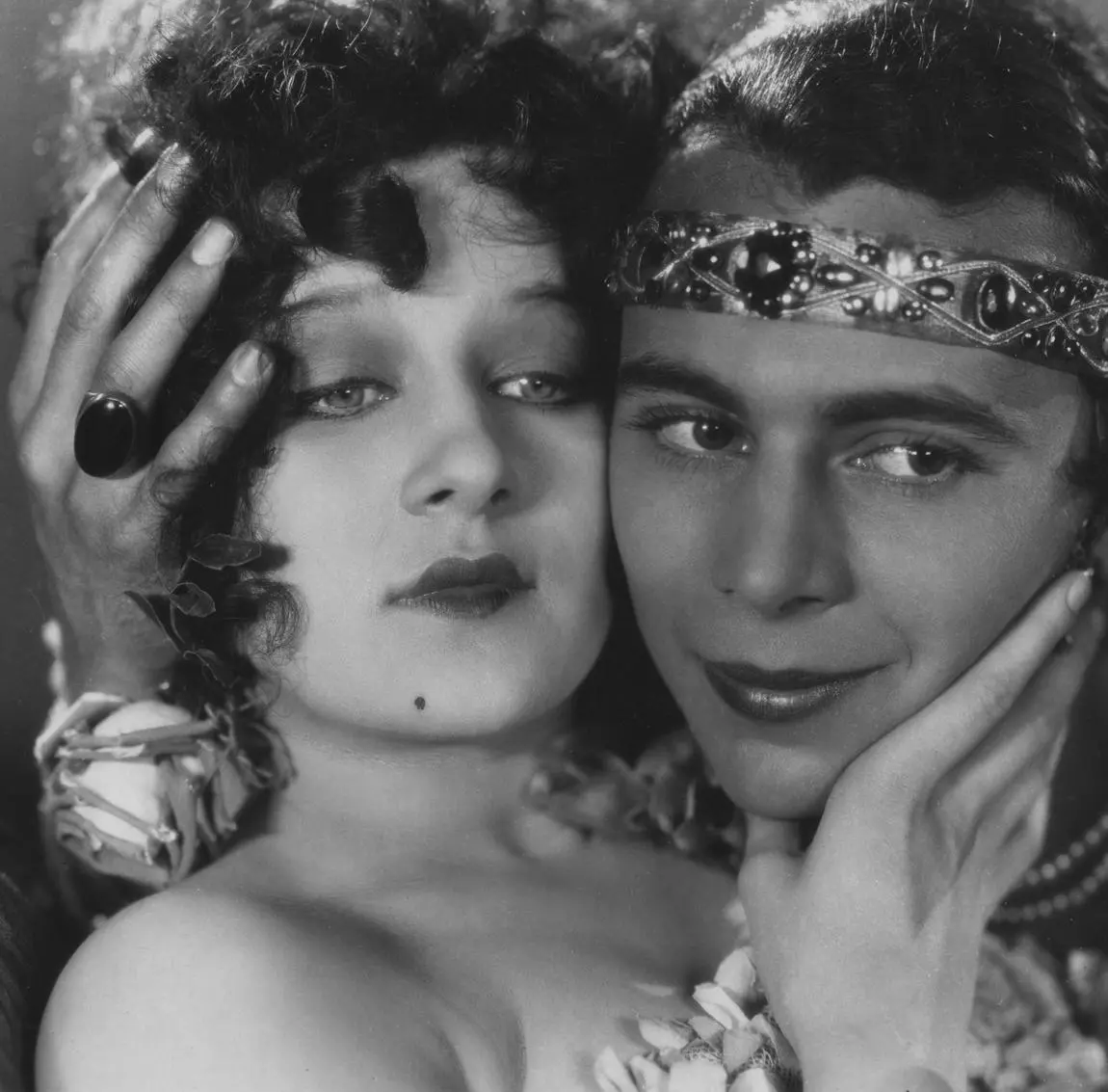
In terms of narrative structure, The Wanderer bears some similarities to The Sky Hunters and Unknown Switzerland, which also feature non-linear storytelling and a focus on character development. However, The Wanderer's pacing is distinctly more measured, allowing for a more introspective exploration of its themes.
The film's score, while not particularly memorable, does serve to underscore the narrative's emotional resonance. In this regard, it shares some similarities with Miraklet: Tavlor ur det katolska samfundslivet and Tkies khaf, which also feature atmospheric soundtracks that complement their respective narratives.
Upon closer inspection, The Wanderer reveals itself to be a thought-provoking exploration of the human condition, one that resists easy categorization. While it may not be immediately accessible to modern audiences, the film's thematic depth and cinematic craftsmanship make it a worthwhile watch for those interested in exploring the rich cinematic heritage of the early 20th century.
In conclusion, The Wanderer is a hidden gem of early cinema, one that rewards close attention and multiple viewings. Its exploration of universal themes and its innovative storytelling make it a must-see for film enthusiasts and scholars alike.
IMDb 3.7
1921
Community
Log in to comment.