Summary
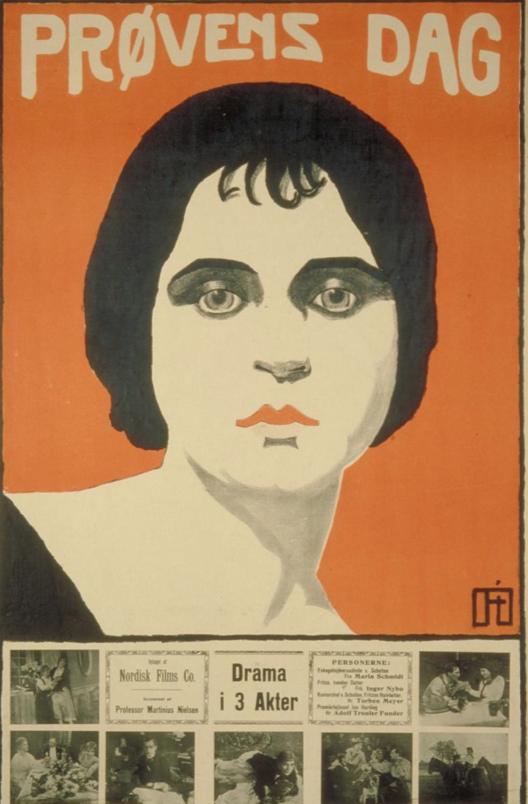
A sun-bleached Danish hamlet, latticed with linden shadows and Lutheran guilt, braces for Prøvens Dag—literally “Proof-Day”—the annual civic-reckoning when every citizen must publicly account for the year’s moral ledger. Rumor, that invisible plague, has already infected the place: the mayor’s son, a prodigal botanist home from Patagonia, reputedly traffics in banned herbariums; the widowed schoolmistress shelters a fugitive suffragette; the aging watchmaker, once celebrated for pocketable planetariums, now peddles bootleg time—clandestine hours sold in wax-sealed vials to workers who crave one more dusk with their dead. Over twelve lunar cycles the film weaves a polyphonic tapestry: whispers coil through rye fields like ground-mist; the parish bells converse with the fjord in Morse of bronze and brine; children rehearse a midsummer morality play that mutates into real tribunal. When the day arrives, the village square, garlanded in white banners that look suspiciously like shrouds, becomes both stage and scaffold. Characters who have spent reels perfecting façades must now step barefoot onto the cobbles, bearing the freight of private yearning and public shame. The verdicts—some whispered, some brandished—are less about legal culpability than metaphysical audit: can a community survive radical honesty, or does survival itself depend on the sweet rot of half-truths? By twilight the fjord itself seems to inhale, pulling roofs, memories, and unspoken names into its iron-dark throat, leaving only the echo of Tronier Funder’s final line, delivered to no one and to everyone: “We are the stories we dare to confess.”
Review Excerpt
"
There is a moment, roughly halfway through Harriet Bloch’s one-reel wonder Prøvens Dag, when the camera lingers on a child’s hand releasing a grass blade into the wind. Nothing in the intertitles heralds the gesture; no orchestral cue (for there is none) bullies us into sentiment. Yet that floating sliver of green carries the weight of every adult lie we have just witnessed. It is cinema as osmosis: meaning seeps through epidermis, not exposition. To watch the film today is to realize how rarel..."