DbcultAccessing Vault...
3.4/10
Senior Film Conservator
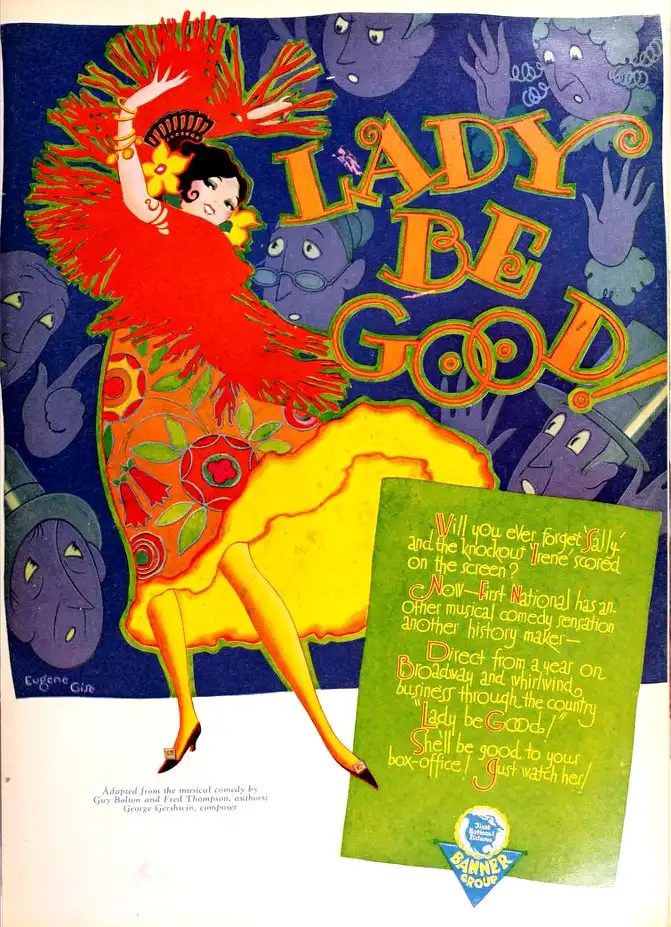
A definitive 3.4/10 rating for a film that redefined the boundaries of cult cinema. Lady Be Good remains a cornerstone of transgressive art.
If you are looking for a masterpiece of the late silent era, this isn’t it. But if you’ve ever wondered what happens when a studio decides to turn a hit Broadway musical into a movie where nobody can hear the songs, Lady Be Good is a fascinating, slightly broken answer. It’s worth a look if you’re a fan of Dorothy Mackaill’s specific brand of screen energy, but if you’re looking for a tight plot or the actual Gershwin experience, you’re going to be checking your watch by the thirty-minute mark.
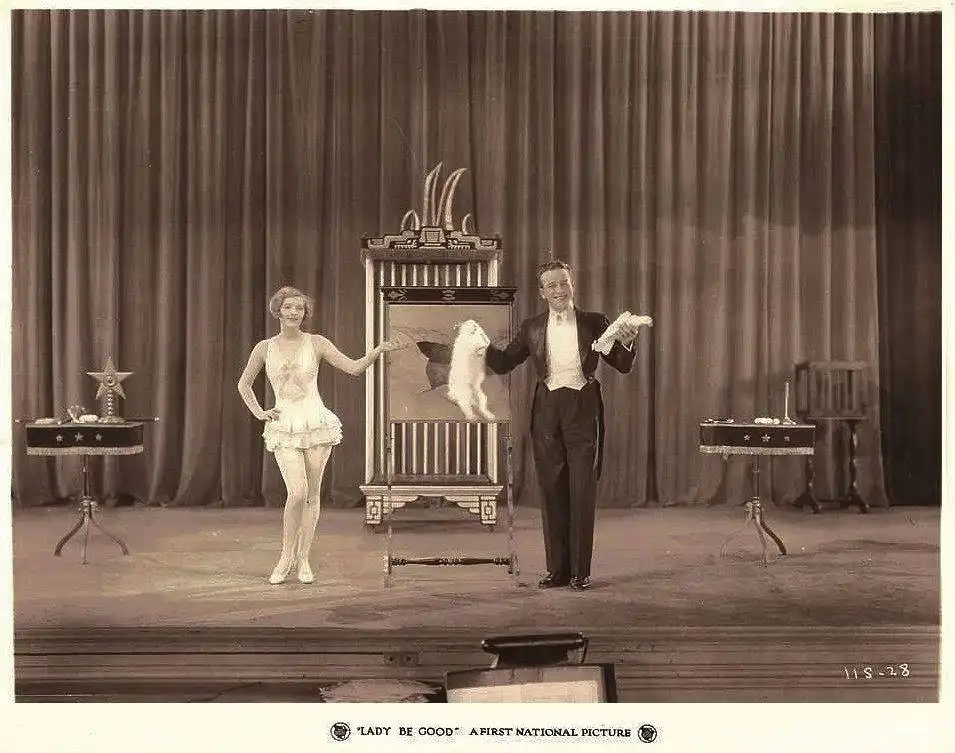
The first thing that hits you is the absurdity of the premise. This is a movie based on a musical where the music is, by definition, missing. There are scenes where characters are clearly performing 'Fascinating Rhythm,' and you’re just sitting there in the dark watching their feet move in a rhythm you can only guess at. It’s like watching a concert through a soundproof window. Sometimes the intertitles try to compensate by being overly 'snappy,' but it usually just feels like the movie is shouting at you to have a good time.
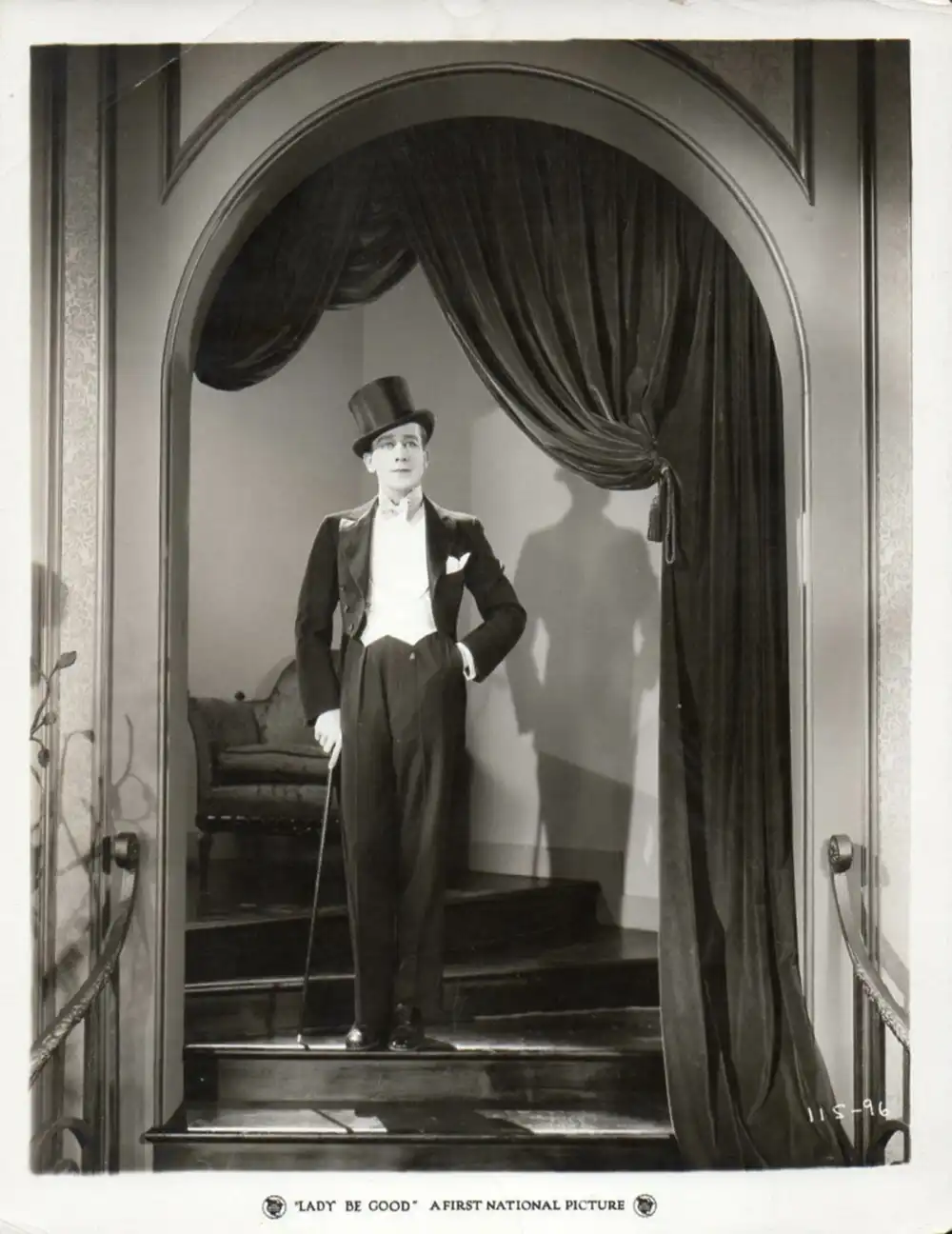
Dorothy Mackaill and Jack Mulhall play the brother-sister duo, Mary and Dick. They had done a bunch of movies together by this point—I think I saw them in The Show or maybe it was something similar—and they have this easy, comfortable chemistry that feels real. They don’t look like siblings, really, but they move together with a practiced syncopation. There’s a moment early on where they’re evicted and standing on the sidewalk with all their furniture, and Mackaill does this little shrug that says more than any of the dialogue cards. She’s great at looking slightly annoyed by the world without being a drag.
James Finlayson shows up, and if you know his work with Laurel and Hardy, you know exactly what he’s doing here. He does the double-take, the squint, the whole routine. In one scene, his mustache seems to have a life of its own. It’s broad, bordering on cartoonish, and it feels like it belongs in a completely different movie than the more grounded, romantic bits between Mulhall and Mackaill. The tonal shifts are pretty jarring. One minute it’s a light comedy about being broke, the next it’s trying to be a high-society farce with a bunch of extras who look like they were told to 'act rich' and didn't know how.
The garden party sequence goes on forever. There’s a shot of a fountain that lingers for about ten seconds too long, and you can almost feel the director, Richard Wallace, waiting for something to happen. The editing in these middle stretches is baggy. It lacks the punchy rhythm of something like The Nervous Wreck. You get the sense they were trying to fill time because they didn't have the big musical numbers to carry the momentum.
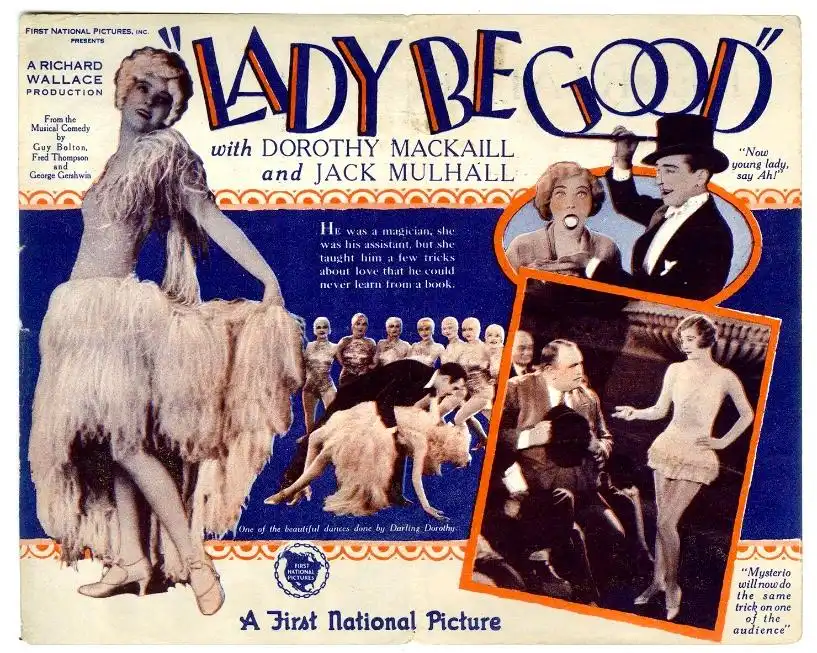
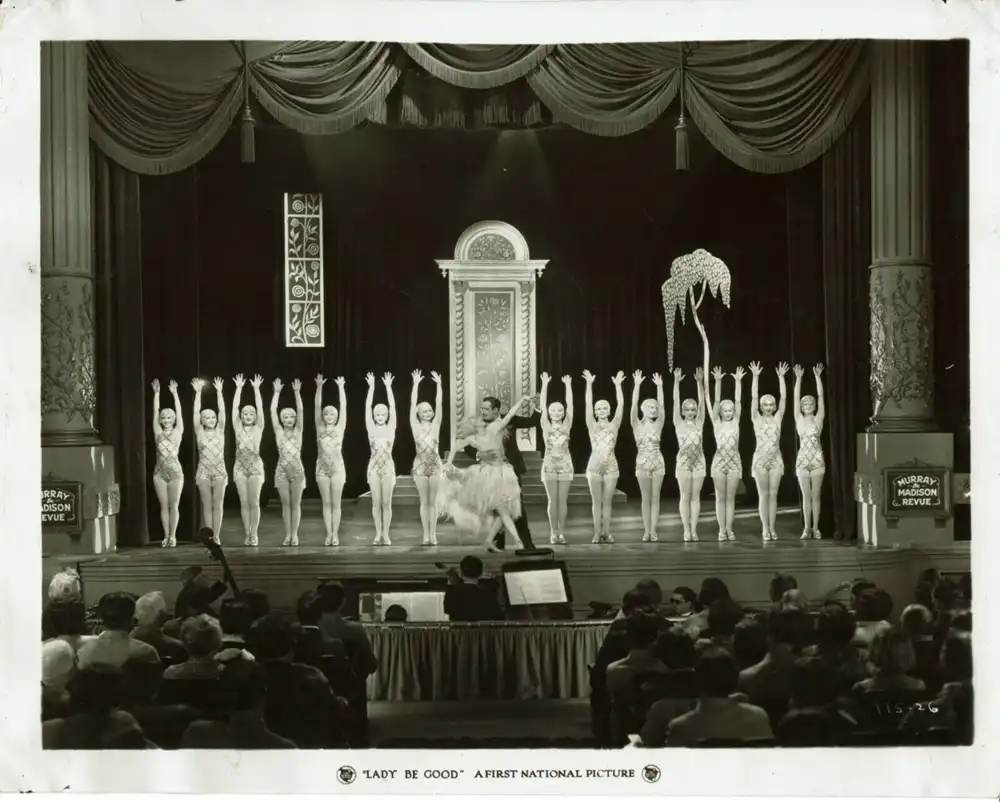
I did notice a weird detail in the background of the boarding house scene. There’s a poster on the wall that’s peeling off, and for some reason, the camera keeps catching it in the corner of the frame. It’s distracting in a way that makes me think the set dresser was having a bad day. Also, the costumes for the 'professional' dancers are bizarrely feathered. They look less like high-end performers and more like they got into a fight with a poultry farm.
John Miljan plays the 'other man,' and he’s doing that standard silent movie villain thing where he just looks vaguely greasy and untrustworthy from the second he appears. There’s no subtlety to it. You wonder why Mary would even talk to him, let alone get involved in his schemes. It makes the protagonist look a bit dim, which is a shame because Mackaill plays her as being quite sharp otherwise.
The film gets better toward the end when it leans into the slapstick. There’s a bit of business with a fake heiress and some hidden identities that actually lands. It reminds me a bit of the chaotic energy in McFadden's Flats, where the plot just gives up and lets the actors run around. But then it tries to get sentimental again, and the transition is like hitting a brick wall.
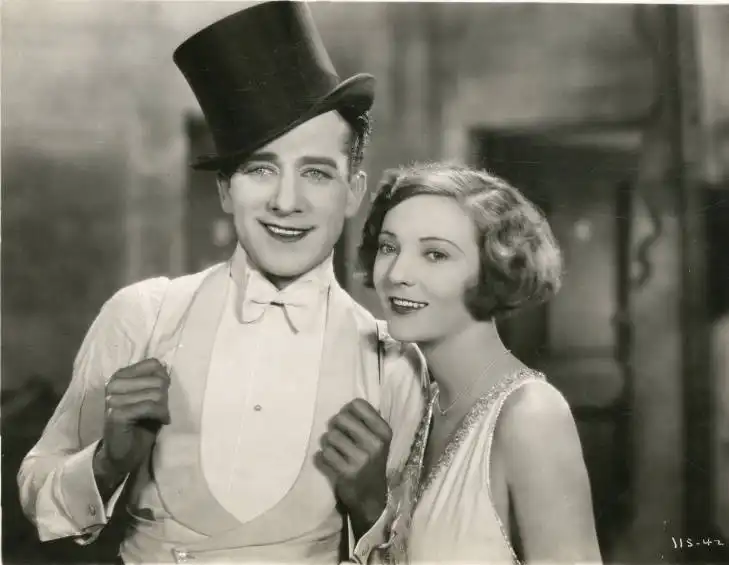
Is it a 'good' movie? Not really. It’s a curiosity. It’s a reminder of that weird transitional period where Hollywood was obsessed with Broadway but hadn't quite figured out how to translate the appeal of a musical to a silent screen. If you’re a film historian, you’ll find plenty to pick apart. If you’re just a casual viewer, you might find yourself drifting off during the long, silent dance breaks. But there is something undeniably charming about seeing Mackaill and Mulhall just existing in the same frame. They make the clunky plot almost tolerable.
One last thing: the title cards have some of the most '1920s' slang I’ve seen in a while. Half of it feels invented on the spot. It adds a layer of unintentional comedy that helps get you through the slower parts. It’s not The City That Never Sleeps in terms of visual style, but it has a messy, human quality that I kind of appreciated by the time the 'The End' card finally flashed up.
IMDb —
1925
Community
Log in to comment.