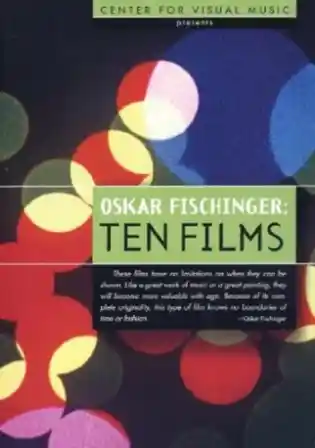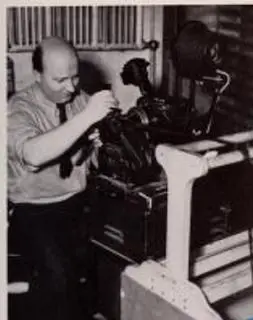
Germany
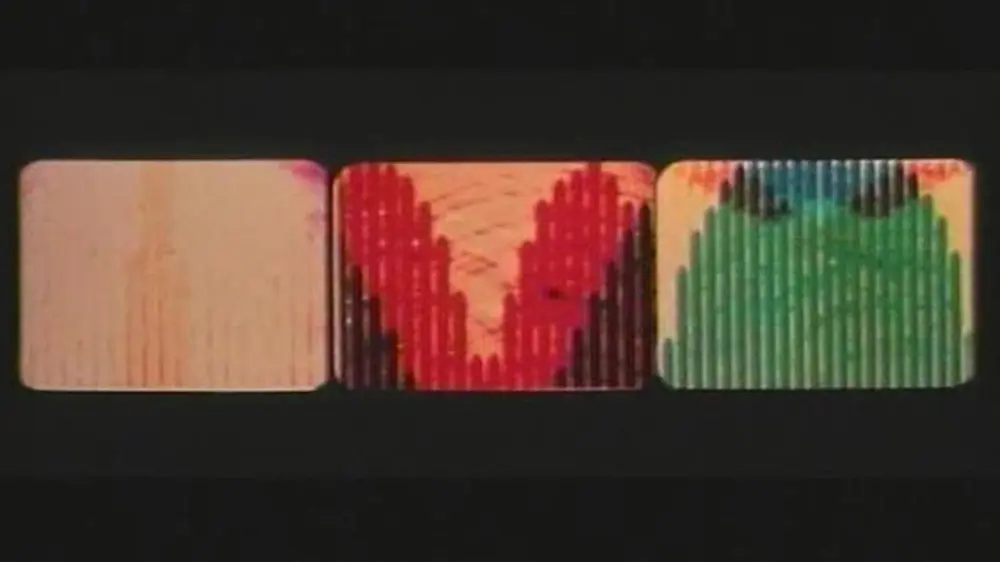
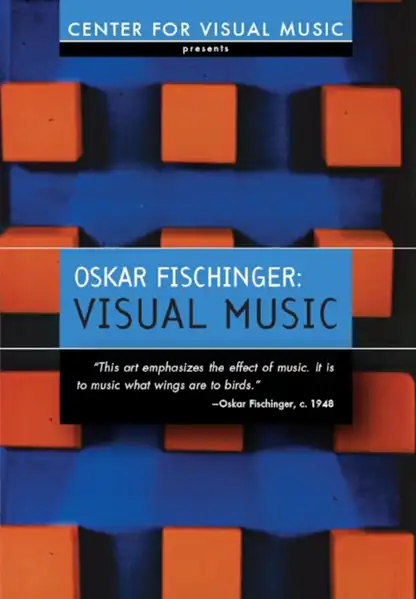
Is Oskar Fischinger’s R-1 worth your time today? Short answer: yes, but only if you are willing to trade narrative satisfaction for a pure sensory assault.This film is for the art students, the motion designers, and the cinematic archeologists who want to see where the DNA of modern visual effects began. It is absolute...
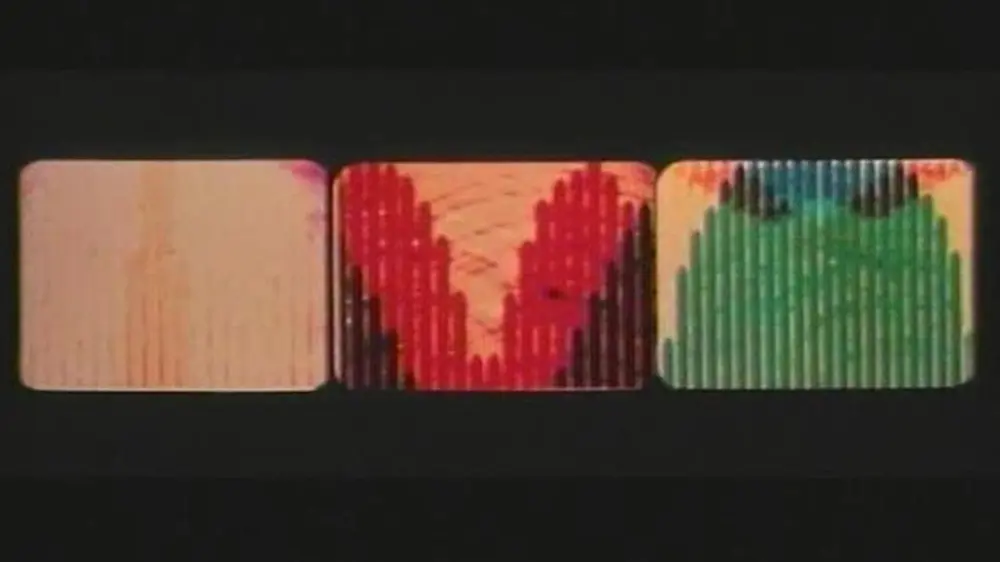
still_frame

Comparing the cinematic DNA and archive impact of two defining moments in cult history.
Oskar Fischinger
Charley Chase
Community
Log in to comment.
"Is Oskar Fischinger’s R-1 worth your time today? Short answer: yes, but only if you are willing to trade narrative satisfaction for a pure sensory assault.This film is for the art students, the motion designers, and the cinematic archeologists who want to see where the DNA of modern visual effects began. It is absolutely not for anyone looking for a Friday night popcorn flick or a story with a beginning, middle, and end.The Core EvaluationThis film works because it achieves a level of organic fl..."