DbcultAccessing Vault...
Cult Review
Senior Film Conservator
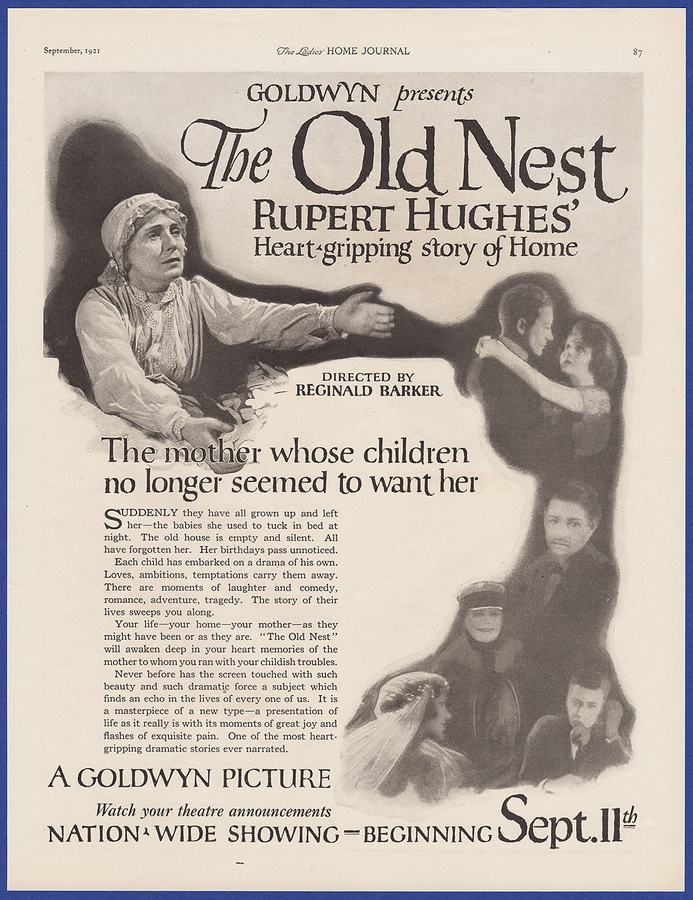
Stepping back into the annals of early cinema, one occasionally unearths a gem that, despite the passage of a century, retains an astonishing capacity to resonate. Rupert Hughes’ 1921 silent drama, The Old Nest, is precisely such a film. It’s not merely a historical artifact; it’s a deeply affecting meditation on the relentless march of time, the bittersweet nature of parental sacrifice, and the enduring, often complex, tapestry of family life. This isn't a spectacle-driven epic or a thrilling mystery; it is, instead, a quiet, introspective journey into the heart of a home, observing its expansion, its eventual contraction, and the profound emotional landscape left in its wake. It speaks to universal truths that transcend the silent era’s technical limitations, delivering a narrative that feels as fresh and poignant today as it must have felt to audiences a hundred years ago.
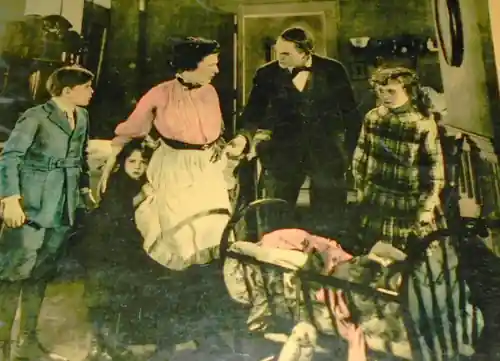
At the core of this cinematic endeavor are Dr. and Mrs. Anthon, portrayed with remarkable tenderness and authenticity by J. Parks Jones and Laura La Varnie, respectively. Their small-town existence is depicted as one of humble contentment, a foundation upon which a large and vibrant family is built. We witness the joyous chaos of childhood, the bustling energy of a household teeming with life, and the quiet dedication of parents nurturing their offspring. Each child represents a unique thread in this familial fabric, and the film meticulously, if swiftly, weaves their individual destinies into the broader narrative. The initial tragedy strikes early, a stark reminder of life’s fragility: Arthur, the eldest, is snatched away in a railroad wreck. This loss, handled with a delicate touch characteristic of the era’s storytelling, imbues the Anthon family’s journey with an undercurrent of sorrow, a poignant reminder that joy and grief are often inextricably linked in the human experience. It sets a tone, subtly hinting that even in the most idyllic beginnings, the shadow of impermanence looms large.
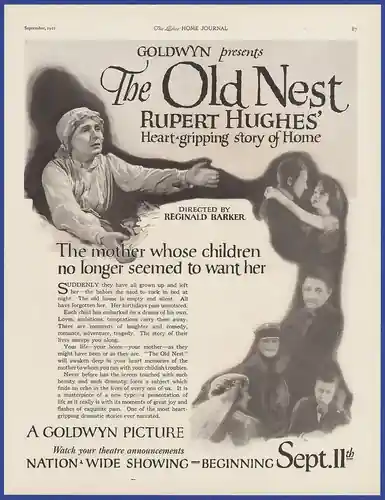
As the children grow, their paths diverge, each seeking their fortune and identity beyond the comforting confines of the family home. Tom, embodying the American dream of upward mobility, blossoms into a successful lawyer, his ambition propelling him towards a distinguished career. His journey is one of achievement, a testament to the values instilled by his parents, yet his very success creates a physical and emotional distance from his origins. Kate, another of the Anthon progeny, finds love and establishes her own life in the bustling metropolis of New York, a city synonymous with opportunity and new beginnings. Her departure signifies a common rite of passage, the inevitable breaking away to forge one's own domestic sphere. Frank, perhaps the most romanticized figure, is depicted as a gifted artist, drawn to the artistic mecca of Paris. His pursuit of aesthetic excellence speaks to a different kind of ambition, one that necessitates a profound separation from the pragmatic realities of his upbringing. This geographical and cultural chasm he creates further emphasizes the growing distance between the Anthon parents and their scattered brood.
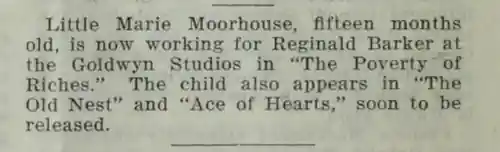
Then there is Jim, the family's unfortunate outlier. His story is painted with darker hues, a narrative of transgression and banishment. Sent away from home by his father for stealing, Jim represents the painful underbelly of family life, the moments of disappointment and the difficult decisions parents are forced to make. His absence is a wound that festers, a constant reminder of a son lost, not to death, but to his own failings. This narrative thread adds a layer of raw realism to the otherwise sentimental portrayal of family, acknowledging that not all children follow paths of glory or even simple contentment. Finally, Emily, the youngest, follows in Kate's footsteps, traveling to New York and eventually marrying. Her departure marks the final emptying of "the old nest," leaving Dr. and Mrs. Anthon in a quiet, often melancholic, solitude. The film masterfully conveys this gradual emptying, not through dramatic pronouncements, but through subtle shifts in scenery, the diminishing number of faces around the dinner table, and the increasing quietude that settles upon the once-vibrant home. The performances of the ensemble cast, including Molly Malone, Fannie Yantis, Robert DeVilbiss, Lucille Ricksen, Marie Moorehouse, Mary Alden, T.D. Crittenden, Nick Cogley, Roland Rushton, Marshall Ricksen, Theodore von Eltz, Maurice 'Lefty' Flynn, Billie Cotton, Cullen Landis, Richard Tucker, Buddy Messinger, Edward Peil Jr., Helene Chadwick, and Louise Lovely, are crucial in breathing life into these diverse character arcs, each actor contributing to the rich tapestry of the Anthon family saga. Their silent expressions, gestures, and reactions communicate volumes, a testament to the power of non-verbal storytelling.

With the home ties severed, a profound sense of isolation descends upon Dr. and Mrs. Anthon. The film meticulously charts their descent into a quiet, dignified sorrow, a palpable sense of longing for the bustling energy that once filled their lives. The children, absorbed in their burgeoning careers and personal lives, become increasingly forgetful of their aging parents. This neglect, though perhaps not malicious, is a harsh reality often faced by parents whose children have flown too far from the nest. Hughes, through his sensitive direction, allows the audience to feel the weight of this forgetfulness, the ache in the parents' hearts as letters become fewer, visits rarer, and the once-central role they played in their children's lives diminishes into distant memory. It is a powerful commentary on the generational divide and the evolving nature of familial responsibility, particularly as societal norms shifted in the early 20th century, encouraging greater independence and geographical mobility.

This period of quiet desolation is starkly interrupted by the unwelcome return of Jim. Unlike the prodigal son of biblical lore, Jim does not return seeking forgiveness or reconciliation; his motive is purely mercenary. He needs money, and his reappearance serves only to reopen old wounds, casting a further shadow over the already burdened Anthon household. This moment is crucial for its raw honesty, refusing to sugarcoat the complexities of family dynamics. It underscores the idea that not all returns are joyous, and not all familial bonds can be easily mended, especially when trust has been deeply eroded. It’s a moment of profound vulnerability for the parents, who must once again grapple with the consequences of their son’s choices, highlighting the enduring nature of parental love, even in the face of disappointment and pain. The emotional depth conveyed by Laura La Varnie as Mrs. Anthon during these scenes is particularly moving, her expressions articulating a weariness born of endless worry and unfulfilled hope.
The narrative takes a dramatic turn with Mrs. Anthon's terrifying dream. In her subconscious, the anxieties of a mother's heart manifest vividly: a train, symbolizing her son's journey back to her, is imperiled by a wrecked bridge. This dream sequence is a masterstroke of silent film storytelling, using visual metaphor to convey deep emotional turmoil and premonition. It speaks to the primal fear of losing a child, a fear that transcends distance and time. When she awakens, terrified and shaken, the film prepares us for either further tragedy or a profound moment of grace. What follows is truly an unexpected denouement, one that shifts the entire emotional landscape of the film. Tom arrives, not alone, but with his brothers and sisters. Their collective return is an overwhelming moment, a sudden influx of the life and love that had so painfully receded. And Tom, now a figure of considerable national importance, announces his appointment as Attorney General of the United States. This revelation, delivered amidst the reunion, is a powerful symbol of vindication, of hard work paying off, and of a son achieving a stature that reflects well on his humble beginnings.
The climax of The Old Nest is not a simple happy ending, but a complex emotional tapestry. It's a moment of immense relief and joy for the parents, witnessing their scattered flock return, and seeing one of their own achieve such high honor. Yet, it also carries a bittersweet undertone. Has their children's return been prompted by genuine remorse and renewed affection, or by the gravity of Tom's professional achievement? The film leaves this subtly open to interpretation, allowing the audience to ponder the motivations and the true nature of this belated family reunion. It’s a testament to Rupert Hughes's nuanced direction that this resolution feels earned, despite its somewhat miraculous nature. The silent film medium, with its reliance on exaggerated expressions and gestures, here manages to convey a delicate balance of emotions – joy, relief, lingering sadness, and perhaps a quiet understanding of all that has been lost and regained. The scene beautifully captures the essence of a family, imperfect but ultimately bound by an unbreakable, if sometimes tested, love.
Rupert Hughes, credited as the writer, crafted a narrative that, even without spoken dialogue, communicates profound emotional truths. The film’s strength lies in its ability to evoke empathy through visual storytelling, relying on the power of expressive acting, carefully chosen intertitles, and thoughtful cinematography. The performances, particularly by Laura La Varnie as Mrs. Anthon, are nothing short of remarkable. Her face becomes a canvas for a myriad of emotions – joy, worry, sorrow, hope, and ultimately, a profound sense of peace. In an era where acting could often be melodramatic, La Varnie delivers a performance of subtle grace and genuine feeling, grounding the film's emotional core. J. Parks Jones, as Dr. Anthon, provides a steady, quietly suffering counterpoint, his paternal stoicism masking a deep well of affection and concern. The film's direction allows moments of quiet contemplation, letting the audience absorb the emotional weight of each scene, a stark contrast to the often frenetic pace of modern cinema.
The use of intertitles is particularly effective, not merely as dialogue replacements, but as narrative devices that enhance the emotional impact, offering glimpses into the characters' inner thoughts or providing crucial plot exposition with poetic brevity. In many ways, The Old Nest stands as an exemplar of how silent cinema, when handled with sensitivity and artistic vision, could convey complex human experiences with an immediacy that transcends the lack of sound. The film doesn't shy away from the harsh realities of life – loss, ingratitude, familial strife – yet it ultimately champions the enduring power of love and connection. Its emotional authenticity brings to mind other silent dramas that delved into the human condition with similar depth, such as Passion (1919), which, despite its historical backdrop, similarly explored intense emotional sacrifice and the profound impact of individual choices on personal destinies. Both films showcase the silent era's capacity for delivering powerful, character-driven narratives that linger long after the credits roll.
Ultimately, The Old Nest is more than just a family drama; it is a profound exploration of legacy, both personal and generational. It asks us to consider what we owe our parents, what defines success, and what truly constitutes a 'home.' The film's enduring appeal lies in its universal themes: the joy of raising children, the pain of letting them go, the loneliness of an empty nest, and the yearning for reunion. It’s a narrative that resonates across cultures and eras, speaking to anyone who has experienced the bittersweet passage of time within a family unit. The film's portrayal of the Anthon family's journey, from burgeoning prosperity to quiet despair and eventual, if complicated, reconciliation, echoes the broader human experience of navigating life's inevitable changes. It’s a reminder that while individual paths may diverge wildly, the foundational bonds of family, however stretched or strained, often possess an incredible capacity for resilience and renewal. Much like classic literary works, or even earlier dramatic pieces such as the themes explored in Die Ahnfrau, which often delve into intergenerational fate and the weight of family history, The Old Nest meticulously traces the arc of a family through joy, sorrow, and the relentless currents of life. It leaves the viewer with a sense of quiet reflection, a profound appreciation for the intricate dance between independence and belonging that defines our most cherished relationships. This silent classic, rich in human emotion and deftly told, remains a powerful testament to the timeless art of cinematic storytelling and the enduring power of familial love.
IMDb —
1920
Community
Log in to comment.