DbcultAccessing Vault...
Cult Review
Senior Film Conservator
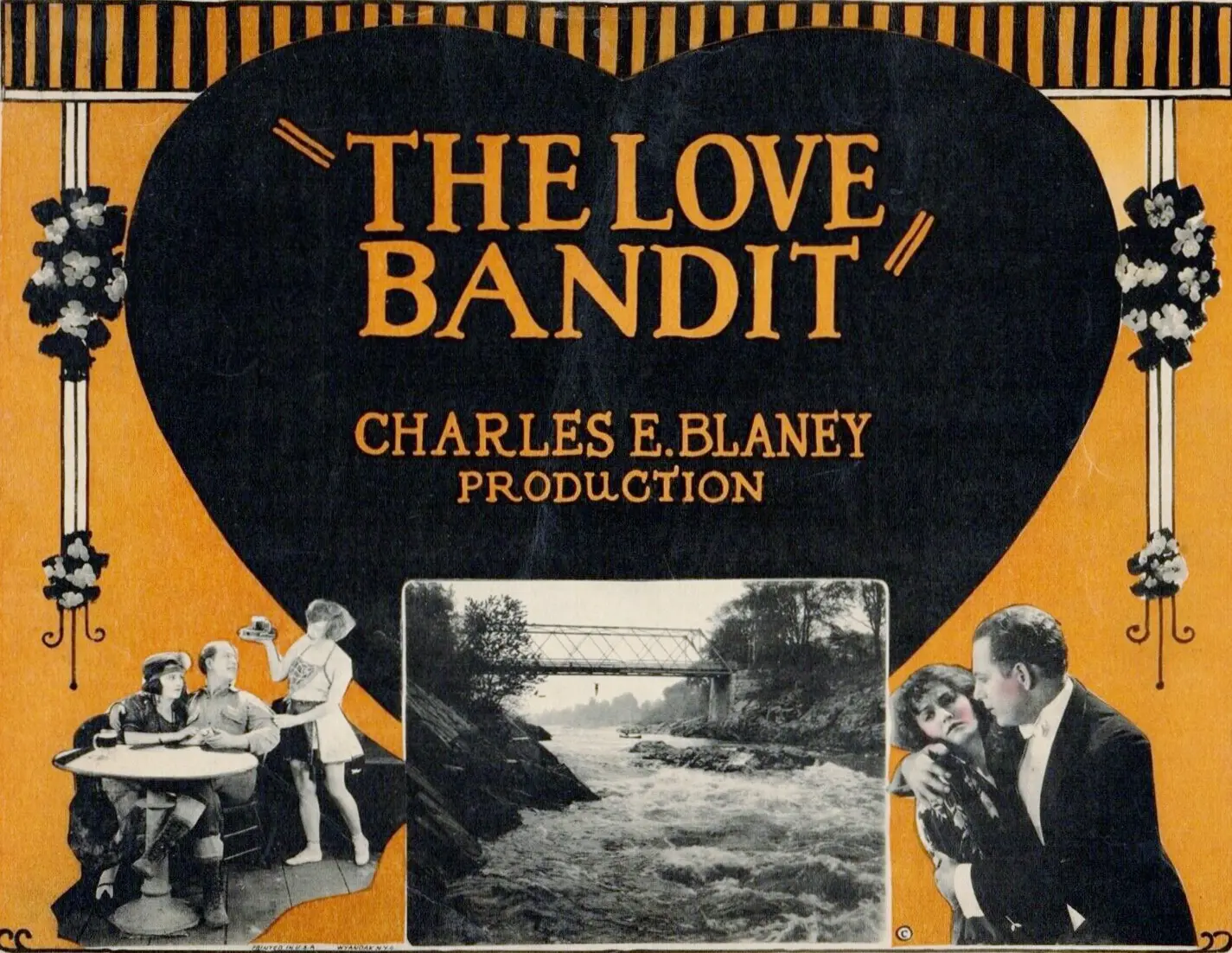
The Love Bandit, a cinematic endeavor from the silent era, weaves a complex narrative that probes the intricacies of love, deception, and redemption. At its core, the film tells the story of Jim Blazes, portrayed by Victor Sutherland, a wealthy and influential logging magnate with a rugged demeanor, and Amy Van Clayton, played by Lorenza Valentine, whose lives intersect in a remote lumber camp.
Their initial encounter sets off a chain of events that propels the narrative forward with a mix of romance, familial loyalty, and corporate intrigue. Amy's brother finds himself in a precarious situation, accused of stealing from Jim's company, prompting Amy to marry Jim to protect her sibling. This union, however, is not without its challenges. Jim, feeling that Amy's actions were motivated by a desire to save her brother rather than genuine affection, departs for the lumber camp, leaving Amy behind.
The film's portrayal of Jim and Amy's relationship serves as a backdrop to explore themes of love, trust, and redemption. Amy's pursuit of Jim, despite his initial reluctance, underscores her determination and the evolving nature of her feelings. The climax, which involves Amy risking her life to save Jim, marks a pivotal moment in their relationship, as it reveals the true extent of her emotions.
The performances of the cast, particularly Victor Sutherland and Lorenza Valentine, play a crucial role in bringing this narrative to life. Their portrayal of Jim and Amy's tumultuous relationship adds depth to the film, making their eventual union believable and satisfying. The supporting cast, including Jules Cowles and Walter Jones, contribute to the richness of the story, each bringing their own unique energy to their respective roles.
In comparison to other films of its era, such as It Happened to Adele and Revelation, The Love Bandit stands out for its nuanced exploration of romantic relationships and the societal pressures that can influence them. While Big Happiness and Montmartre also delve into themes of love and redemption, The Love Bandit offers a distinct perspective through its focus on the complexities of romantic relationships formed in adversity.
The film's direction and script, a collaborative effort by Charles E. Blaney, Lewis Allen Browne, and Norman Houston, demonstrate a keen understanding of the narrative's emotional landscape. The pacing of the film, much like A Sagebrush Hamlet, is well-balanced, moving seamlessly between moments of romance, tension, and drama. This balance ensures that the audience remains engaged, invested in the characters' journeys and their ultimate fates.
Furthermore, The Love Bandit shares thematic similarities with Hilde Warren und der Tod and La faute d'Odette Maréchal, in its exploration of love as a transformative force. However, the film's unique selling point lies in its ability to convey the intensity of Jim and Amy's relationship through minimalistic dialogue and expressive cinematography, reminiscent of Miss Dulcie from Dixie and Under the Top.
In conclusion, The Love Bandit is a captivating film that offers a compelling narrative of love, deception, and redemption. Its exploration of complex relationships, coupled with strong performances from its cast, makes it a noteworthy entry in the silent film era. For those interested in films that explore the human condition through romance and adversity, The Love Bandit is certainly worth viewing.
The film's legacy, much like Zollenstein and Stolen Moments, endures through its contribution to the cinematic portrayal of love's transformative power. While not without its flaws, The Love Bandit remains a significant work, offering insights into the silent film era's approach to storytelling and emotional expression. For viewers seeking a blend of romance, drama, and historical cinema, this film, alongside The Woman and the Beast and Family Affairs, represents a valuable addition to their watchlist.
IMDb —
1920
Community
Log in to comment.