DbcultAccessing Vault...
7.3/10
Senior Film Conservator
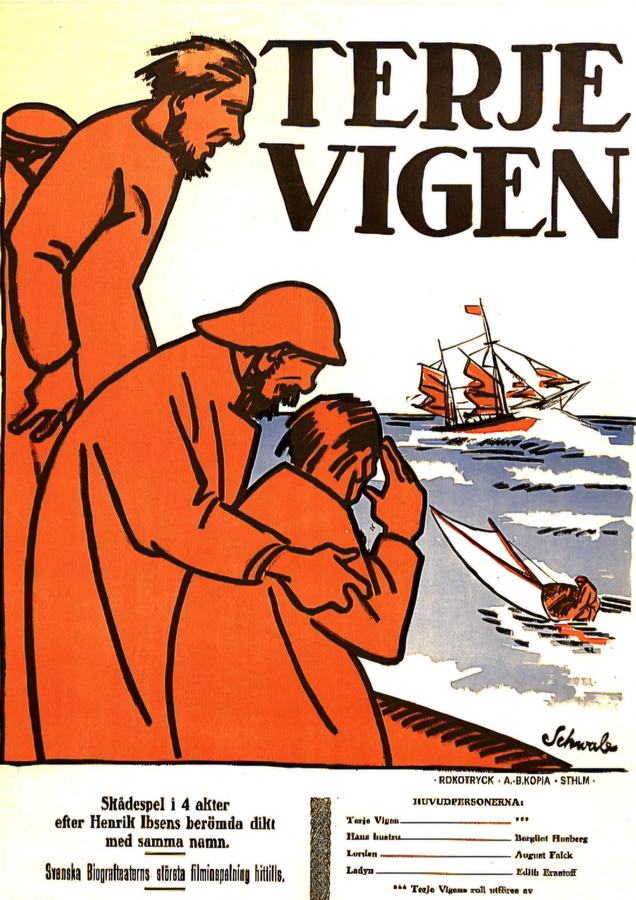
A definitive 7.3/10 rating for a film that redefined the boundaries of cult cinema. A Man There Was remains a cornerstone of transgressive art.
Victor Sjöström's 1917 epic, A Man There Was (original Swedish title: Terje Vigen), stands as a monumental achievement in early cinema, a powerful testament to the nascent art form's capacity for profound storytelling and visual poetry. More than a mere adaptation of Henrik Ibsen's celebrated narrative poem, Sjöström transmutes the literary work into a cinematic language that feels both grand and intimately human. This isn't just a film; it's an experience, a visceral journey into the depths of human suffering, resilience, and the agonizing moral dilemma of vengeance versus forgiveness.
From its opening frames, the film establishes a deeply symbiotic relationship between man and nature, a theme that would become a hallmark of Sjöström's oeuvre. The rugged Norwegian coastline, with its tumultuous seas and stark beauty, is not merely a backdrop but a character unto itself, mirroring the internal storms that rage within Terje Vigen. Sjöström, who also brilliantly inhabits the role of Terje, presents a protagonist whose initial zest for life is almost infectious. We witness his halcyon days as a strapping young sailor, his love for his wife and child radiating from the screen with an almost palpable warmth. These early scenes, bathed in natural light, establish a sense of idyllic peace, making the subsequent tragedy all the more devastating.
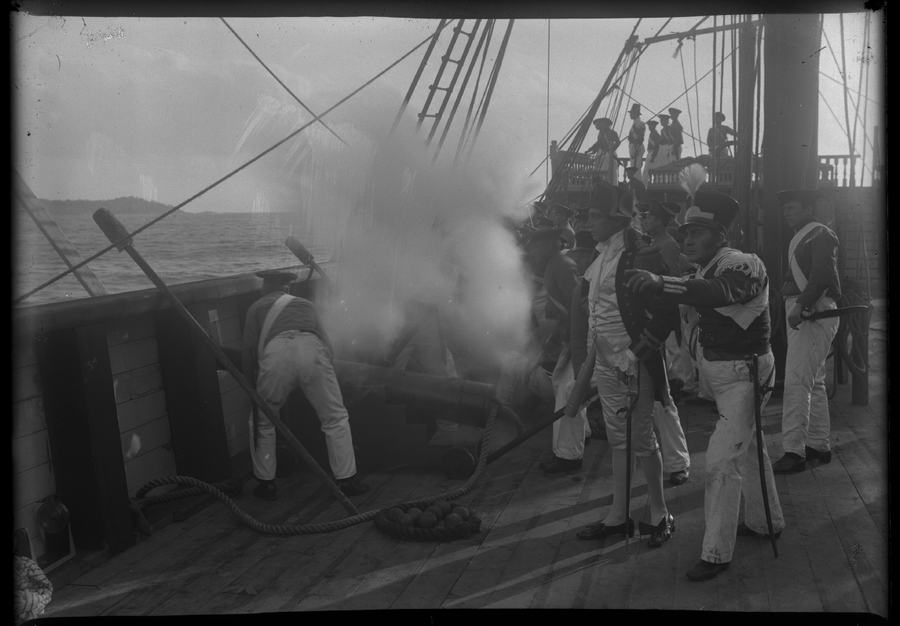
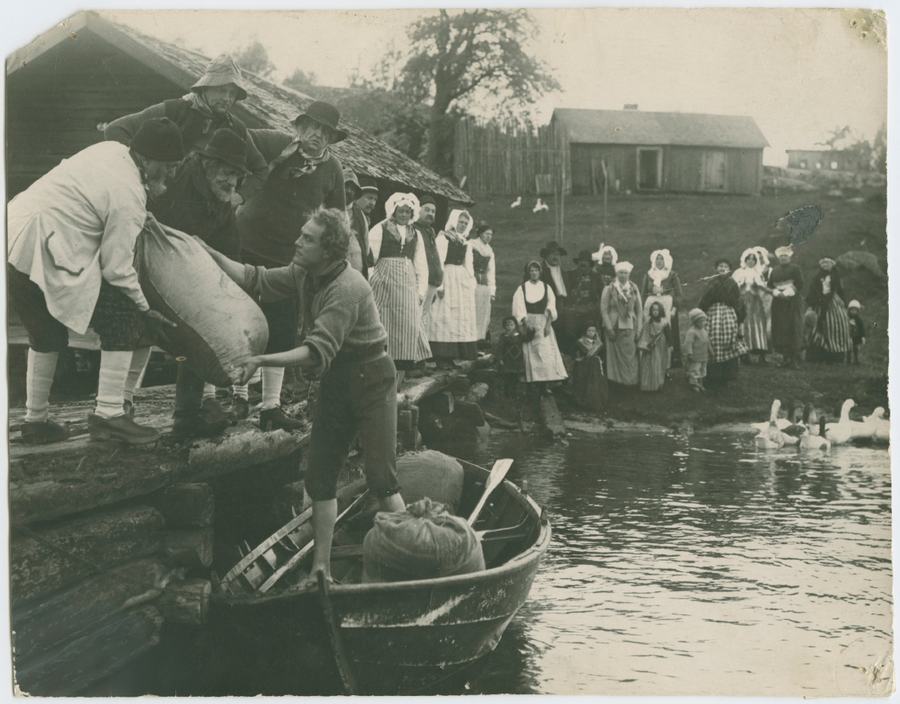
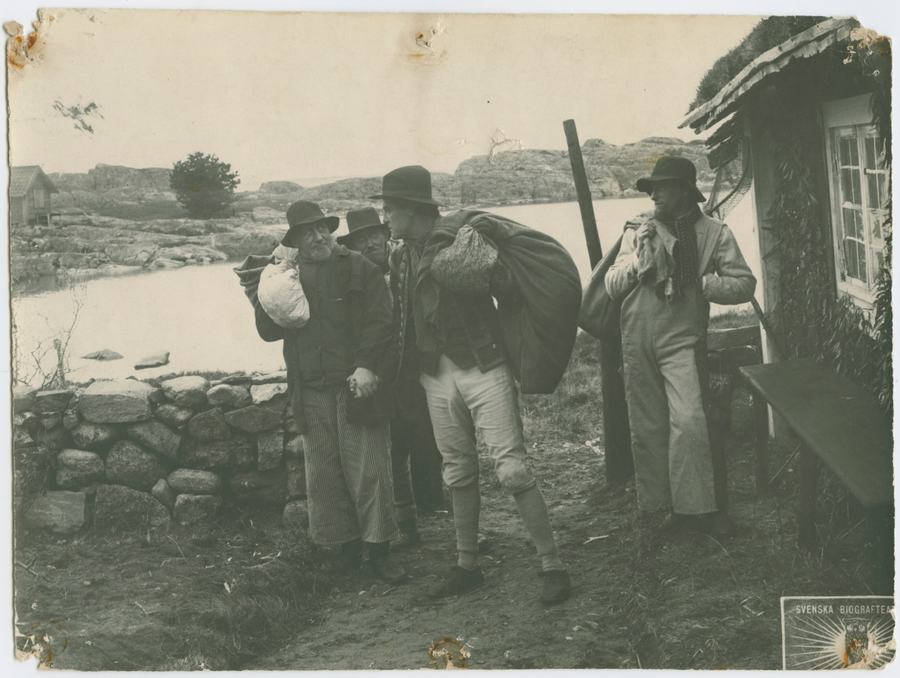
The onset of the Napoleonic Wars, specifically the British blockade of Norway, introduces the external conflict that irrevocably alters Terje's destiny. His desperate attempt to smuggle food past the blockade to save his starving family is portrayed with a raw urgency that transcends the silent film medium. The pursuit by the English cutter, the capture, and Terje's subsequent imprisonment are depicted with a stark realism, eschewing melodrama for a profound sense of injustice and helplessness. Sjöström’s direction here is masterful, allowing the audience to feel the crushing weight of Terje's despair, a man stripped of his agency and condemned to a fate he cannot control. The scene where he is forced to watch his small boat, laden with hope, being destroyed, is particularly poignant, a visual metaphor for his shattered life.
Upon his return years later, Terje's world is a wasteland. His home is empty, his family gone, victims of the famine he desperately tried to avert. This sequence is handled with an exquisite subtlety, Sjöström conveying the protagonist's crushing realization through his stooped posture, his vacant gaze, and the way he interacts with the desolate remnants of his former life. The camera lingers on his face, a canvas of grief and desolation, allowing the audience to intimately share in his profound loss. This transformation from a vibrant, hopeful man to a grizzled, embittered recluse is central to the film's power. It's a testament to Sjöström's acting prowess that he conveys such a complex emotional journey without a single spoken word, relying instead on gesture, expression, and the sheer force of his presence.
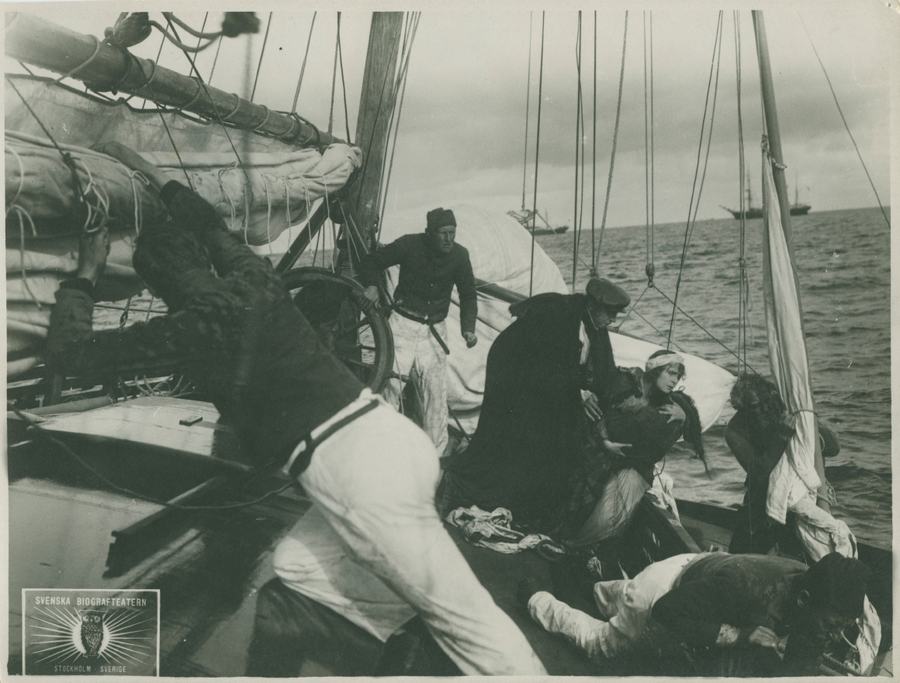
Decades pass, and Terje Vigen, now a revered but solitary pilot, carries the scars of his past. The sea, once a source of livelihood and joy, has become his silent confidante, its endless expanse mirroring the vast emptiness within him. The narrative's pivotal moment arrives during a ferocious storm, a breathtaking display of Sjöström's technical and artistic ambition. The storm sequence is a triumph of early special effects and cinematography, creating an atmosphere of genuine peril and cosmic indifference. It is here that fate, with a cruel irony, brings Terje face to face with the English lord and his family, the very man responsible for his suffering. This recognition is a gut punch, both for Terje and the audience. The memory of his lost family floods back, igniting the dormant fires of vengeance that have smoldered within him for so long.
The ensuing moral struggle is where A Man There Was truly ascends to greatness. Terje has the lord and his family at his mercy, their lives dependent on his skill and compassion. The storm rages, offering a perfect cover for his long-awaited retribution. The internal conflict is externalized through Sjöström's performance, his eyes conveying a tormenting battle between the thirst for revenge and the nascent stirrings of mercy. It's a powerful exploration of the human capacity for both hatred and compassion, a theme that resonates deeply and timelessly. The close-ups on Sjöström's face during this sequence are iconic, revealing a man pushed to the absolute brink, grappling with the weight of his past and the potential consequences of his actions.
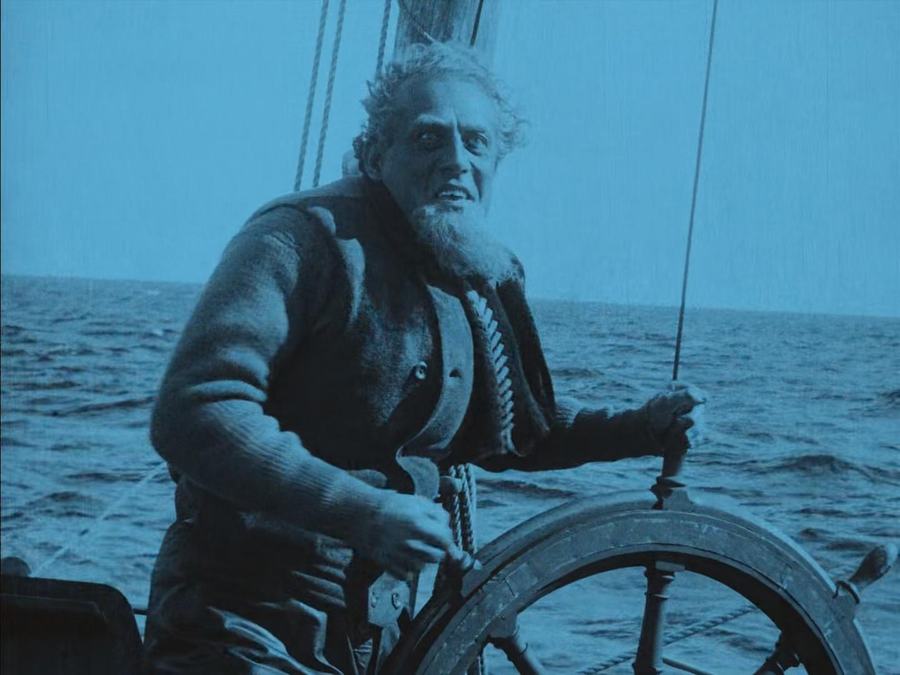
Sjöström's direction is nothing short of visionary. His use of natural landscapes, particularly the sea, is unparalleled for its time. He understands that the vastness of the ocean can dwarf human concerns, yet also serve as a profound stage for their most intense dramas. The cinematography, often employing deep focus and carefully composed frames, imbues the film with an almost painterly quality. Each shot feels deliberate, contributing to the overarching mood and narrative progression. The way light plays on the water, the dramatic silhouettes against the stormy sky – these are not just pretty pictures; they are integral to the storytelling, enhancing the emotional impact and thematic resonance.
The film's exploration of vengeance is particularly nuanced. Unlike many revenge narratives that revel in the protagonist's brutal retribution, A Man There Was delves into the psychological toll of such a path. Terje's initial desire for revenge is understandable, almost primal, given his immense loss. However, the film subtly suggests that true peace does not lie in exacting an eye for an eye, but in transcending the cycle of hatred. This moral complexity elevates the film beyond a simple adventure story, transforming it into a profound philosophical inquiry into the nature of justice and human suffering. It asks us to consider what it truly means to forgive, especially when the wounds are so deep and the injustice so absolute. The film doesn't offer easy answers, but rather a compelling portrayal of a man grappling with an impossible choice.
The performances across the board, though often secondary to Sjöström's towering central portrayal, are commendable for their subtlety within the confines of silent cinema. Edith Erastoff as the English lord's wife provides a gentle counterpoint to Terje's hardened demeanor, her vulnerability playing a crucial role in his ultimate decision. The interplay between the characters, though conveyed without dialogue, is remarkably effective, relying on gestures, facial expressions, and the carefully orchestrated mise-en-scène. The film demonstrates how much can be communicated through purely visual means, a lesson many later filmmakers would do well to remember.
In the broader context of early cinema, A Man There Was stands as a pivotal work, showcasing the artistic maturity that silent film was capable of achieving. Its sophisticated narrative, character depth, and breathtaking cinematography set a high bar for subsequent productions. One could draw parallels to other films that explored the harsh realities of life and the human spirit's endurance, such as The Seekers, which similarly delves into the arduous journeys and moral fortitude required to survive against formidable odds. Both films, despite their different settings, share a common thread of human resilience in the face of overwhelming adversity. The film's emotional intensity and focus on individual suffering amidst larger geopolitical conflicts also find echoes in later war dramas like War Brides, which, though explicitly focused on women's experiences during wartime, similarly underscores the devastating personal cost of global conflict.
The film's legacy is undeniable. It cemented Sjöström's reputation as a master filmmaker, paving the way for his later, equally impactful works both in Sweden and Hollywood. His ability to blend epic scope with intimate psychological drama was revolutionary. He understood that the grandest stories often reside within the human heart, and that the most profound conflicts are those waged within the soul. The film's influence can be seen in the works of countless directors who followed, particularly those who embraced naturalism and a more contemplative approach to storytelling. It’s a testament to its enduring power that even over a century later, its themes remain as relevant and resonant as ever.
Consider the sheer audacity of the filmmaking for its era. Sjöström wasn't content with simple stage-bound adaptations; he took his cameras to the actual locations, braving the elements to capture the raw power of the sea and the rugged beauty of the landscape. This commitment to authenticity lends the film an incredible sense of realism that belies its age. The storm sequences, in particular, remain breathtaking, showcasing a level of practical effects and daring cinematography that would challenge even contemporary productions. The visual storytelling is so compelling that intertitles, while present, often feel almost superfluous, the narrative unfolding with remarkable clarity through images alone.
The profound moral quandary at the film's core – the choice between personal vengeance and universal compassion – is presented with an intensity that few films, silent or sound, have managed to equal. Terje's internal struggle is palpable, a silent scream of a man torn between the primal urge for retribution and a deeper, more humanistic impulse. The film doesn't preach; instead, it invites the audience to partake in this ethical dilemma, to feel the weight of Terje's decision. This engagement with the audience on a deeply emotional and intellectual level is a hallmark of truly great cinema, and A Man There Was delivers it in spades.
Furthermore, the film's exploration of human resilience is deeply inspiring. Despite unimaginable loss and suffering, Terje Vigen endures. He rebuilds his life, albeit a solitary one, and finds a new purpose as a pilot. This journey from despair to a form of stoic acceptance, and ultimately to a moment of profound moral choice, speaks volumes about the indomitable nature of the human spirit. It's a narrative that reminds us that even after the darkest nights, the possibility of a new dawn, and with it, the chance for redemption, always exists. The power of this narrative, rooted in Ibsen's poem, is amplified by Sjöström's visual interpretation, making it a universal tale of struggle and transcendence. The deliberate pacing allows for a meditative quality, giving the audience ample time to absorb the emotional weight of each scene and Terje's evolving state of mind.
The aesthetic choices throughout the film are also noteworthy. The use of contrasting light and shadow, a common technique in silent cinema, is employed here with exceptional artistry to highlight mood and emphasize character emotions. The starkness of the coastal environment is often matched by the somber tones of Terje's later life, while flashbacks to his youth are imbued with a brighter, more hopeful luminescence. This visual language is incredibly effective, communicating intricate emotional states without the need for dialogue, relying purely on the power of the image. It’s a masterclass in how to use the cinematic frame as a psychological tool, making the audience feel rather than just observe.
In an age where cinematic spectacle often overshadows genuine emotional depth, A Man There Was serves as a powerful reminder of the enduring impact of a well-told story, anchored by compelling characters and visionary direction. It's a film that stays with you long after the final frame, prompting reflection on themes of loss, revenge, and the profound, transformative power of human compassion. Victor Sjöström's personal investment in the project, both as director and star, shines through every frame, imbuing the film with an authenticity and emotional resonance that few films, then or now, can match. It's not just a historical artifact; it's a living, breathing work of art that continues to speak to the human condition with remarkable clarity and force.
The film's enduring appeal also lies in its universal themes. While rooted in a specific historical context and geographical location, the core narrative of loss, the struggle for survival, and the ultimate choice between bitterness and empathy transcends cultural boundaries. It speaks to anyone who has experienced profound grief, who has wrestled with the desire for retribution, or who has sought meaning in the face of overwhelming adversity. This universal accessibility is a key factor in its status as a timeless classic, a film that continues to be studied, admired, and cherished by cinephiles and scholars alike. It stands as a powerful testament to the early capabilities of the cinematic medium to convey complex human emotions and philosophical dilemmas. The sheer ambition of filming on location, battling the actual elements, rather than relying on studio sets, gives the film an authenticity that resonates deeply. It's a raw, unfiltered look at humanity against the backdrop of an indifferent, yet awe-inspiring, natural world.
Ultimately, A Man There Was is more than just a pioneering work of Swedish cinema; it is a foundational text in the global history of film. It demonstrates the profound potential of the moving image to explore the deepest recesses of the human psyche and to tell stories of epic scope with a personal touch. Sjöström’s masterful direction, coupled with his unforgettable performance, creates a film that is both grand in its ambition and deeply intimate in its emotional impact. It is a work that challenges viewers to consider the true cost of hatred and the redemptive power of forgiveness, making it an essential viewing for anyone interested in the art of storytelling and the evolution of film as a powerful medium for human expression. The final moments, where Terje makes his ultimate decision, are imbued with a quiet dignity and profound emotional weight, leaving an indelible mark on the viewer. It's a powerful climax to a journey that is as much internal as it is external, a testament to the enduring human spirit.

IMDb —
1935
Community
Log in to comment.