Summary
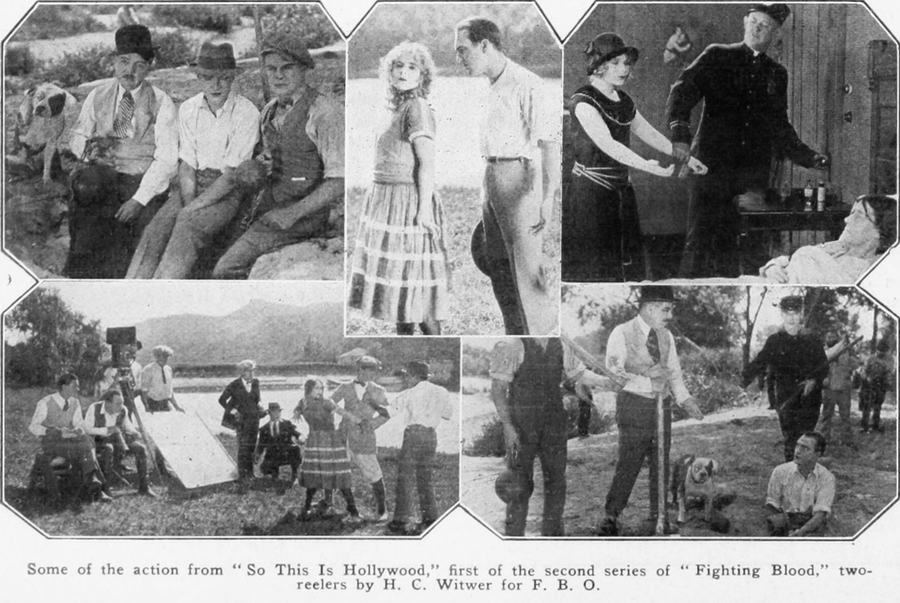
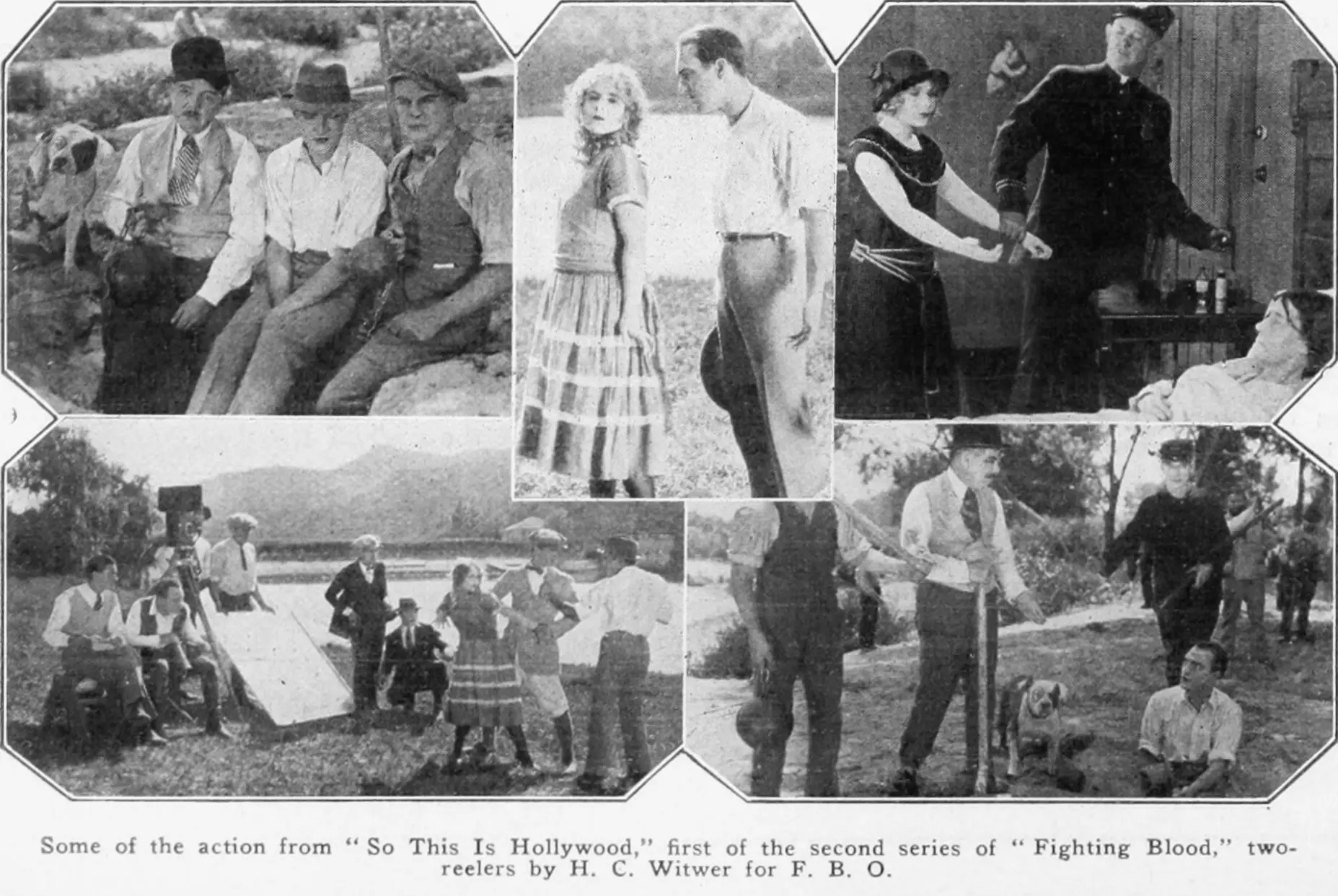
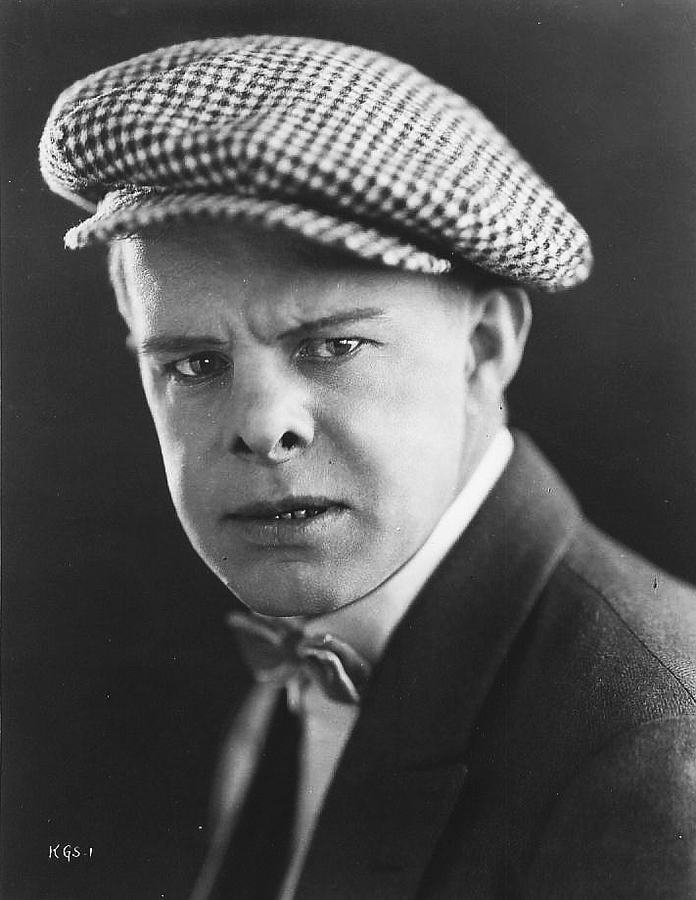
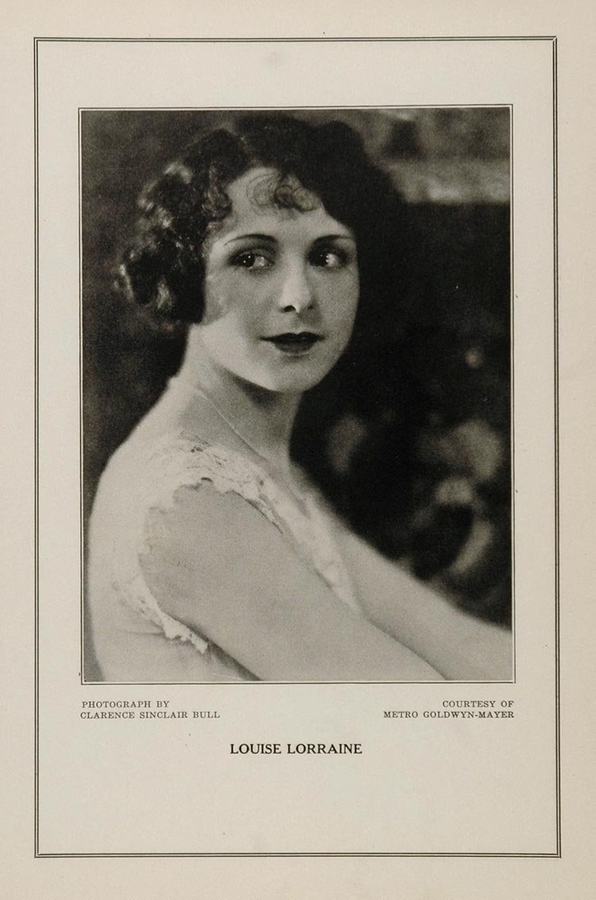
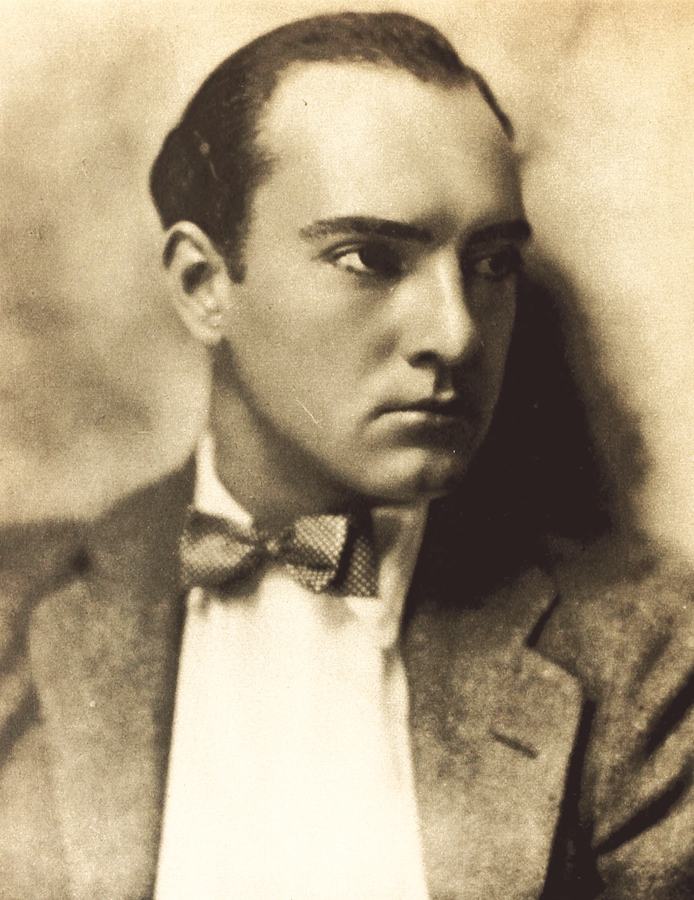
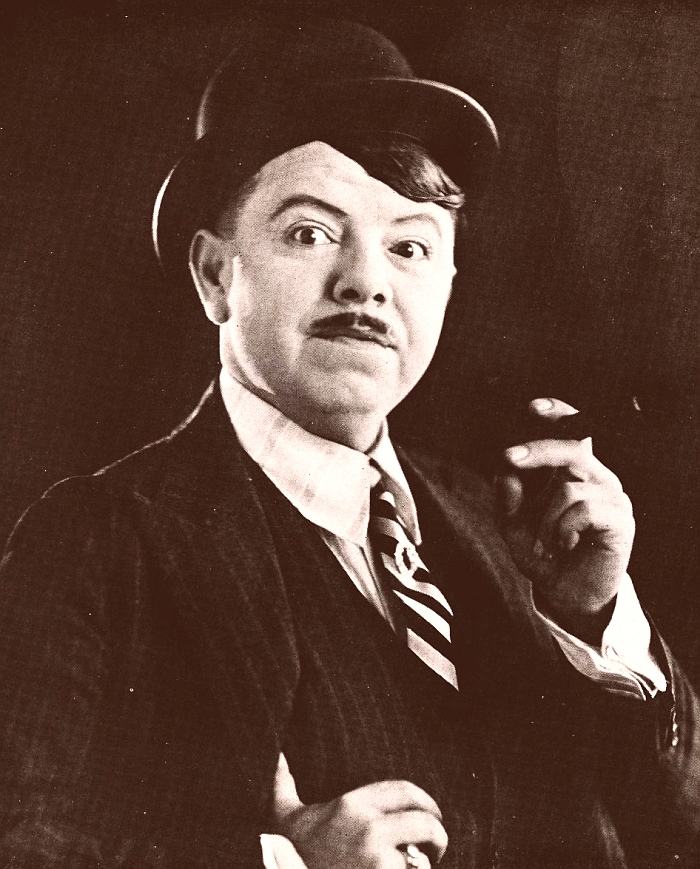
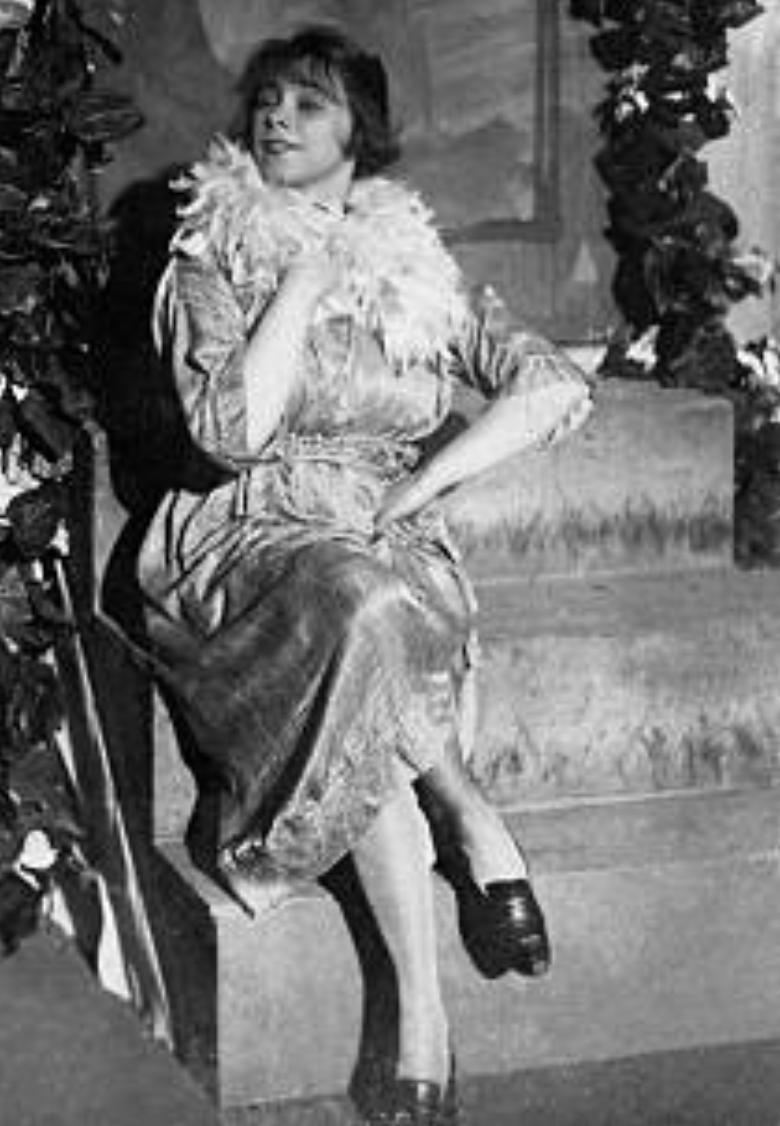
In the burgeoning, cutthroat crucible of early 20th-century Hollywood, "So This Is Hollywood" unfurls a poignant narrative of aspiration colliding with the industry's unvarnished realities. We are introduced to Lily Mae Sunshine (Mary Beth Milford), an archetypal ingénue, her spirit an incandescent beacon against the sprawling, often predatory, landscape of the dream factory. Her arrival, laden with naive optimism and a fervent belief in cinema's magic, sets her on a collision course with Jack Donovan (George O'Hara), a jaded, yet undeniably charismatic, stuntman whose own dreams have been ground into cynical resignation by the industry's relentless churn. Their initial friction, a compelling dance between idealism and pragmatism, slowly gives way to a tentative alliance, forged in the crucible of shared struggle. The film masterfully sketches the Machiavellian machinations of figures like Horace Glimmer (Al Cooke), a predatory director whose artistic vision is perpetually eclipsed by his avarice, and Vivienne Dubois (Louise Lorraine), a fading starlet clinging precariously to her gilded cage, embodying the industry’s transient nature. Overseeing this intricate ecosystem is the formidable, almost monolithic, studio head Mr. Kincaid (Kit Guard), a silent arbiter of destinies. The narrative crescendos not in a simplistic triumph of fame, but in a more profound victory: the protagonists' steadfast refusal to compromise their integrity, culminating in a daring act that exposes the industry's systemic exploitation and cements their bond, a testament to the enduring power of authenticity amidst pervasive artifice. It's a stark, yet ultimately hopeful, dissection of the soul-scouring price of ambition in a town built on illusion.
Review Excerpt
"
So This Is Hollywood: A Candid Chronicle of Celluloid Dreams
Ah, Hollywood. The very name evokes a tapestry of gilded dreams and shattered aspirations, a mythic landscape where stardust and cynicism dance an eternal tango. In the annals of early cinema, few films captured this dichotomy with such visceral honesty and nuanced pathos as H.C. Witwer and Beatrice Van's remarkable creation, So This Is Hollywood. This isn't merely a film; it's a meticulously crafted time capsule, offering an..."