Summary
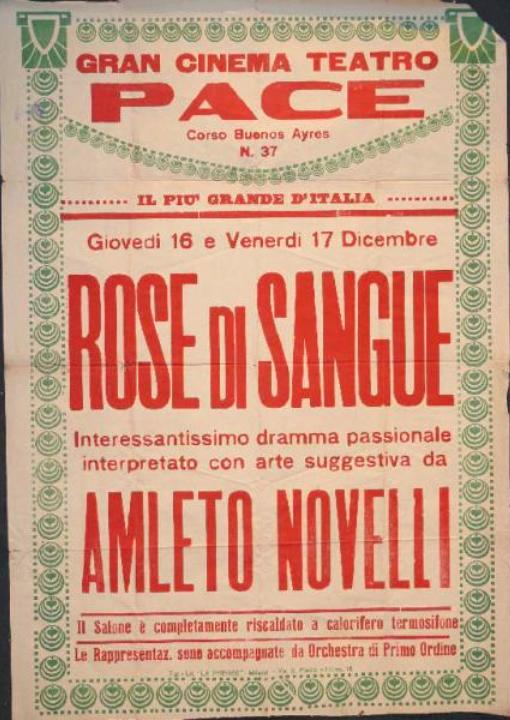
In the sweltering summer of 1925, the crumbling villa of the aristocratic De Lanza family becomes a crucible of passion, betrayal, and vengeance. The patriarch, Count Alessandro De Lanza (Amleto Novelli), a once‑renowned industrial magnate, clings to his fading glory while nursing a secret liaison with the enigmatic courtesan Livia (Olga Capri). Livia, whose scarlet lips conceal a heart scarred by past betrayals, seeks redemption through a clandestine affair that promises both love and ruin. Their son, the idealistic yet tormented Marco (Dino Garagnani), returns from the front lines of the war, haunted by the ghosts of comrades and the weight of familial expectations. He discovers a wilted rose tucked beneath his father's desk—a symbol of a promise broken and a love forbidden. Meanwhile, the devoted governess, Signora Elena (Egea), witnesses the growing fissures within the household and becomes an unwitting confidante to the family's darkest secrets. As rumors of a hidden inheritance surface, the cunning lawyer Vittorio (Alberto Pasquali) manipulates the De Lanzas, exploiting their vulnerabilities to claim the estate. A series of nocturnal encounters, whispered conspiracies, and a tragic masquerade ball culminate in a blood‑stained revelation: the rose, once a token of love, is now a harbinger of death. The film crescendos with a violent confrontation in the villa’s overgrown garden, where the rose bushes, drenched in crimson, mirror the characters' shattered dreams. In the aftermath, only the echo of a solitary violin remains, underscoring the irreversible cost of desire and the inexorable march of fate.
Review Excerpt
"\n A Velvet Nightmare in Black‑And‑White\n When the reels of Rose di Sangue begin to spin, the viewer is thrust into a world where opulence and decay coexist like twin shadows. The film, directed by an enigmatic auteur whose name has largely been lost to time, employs chiaroscuro lighting to carve out a visual language that feels simultaneously theatrical and intimate. The black‑and‑white palette, set against a backdrop of an ever‑present darkness, makes the occasional splash of crimson—most n..."