DbcultAccessing Vault...
6/10
Senior Film Conservator
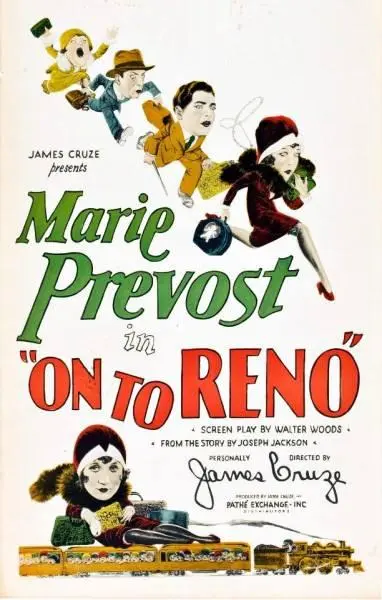
A definitive 6/10 rating for a film that redefined the boundaries of cult cinema. On to Reno remains a cornerstone of transgressive art.
Is On to Reno still worth watching today? Short answer: yes, but with significant caveats. This 1920s comedy, while undeniably a product of its time, offers a fascinating glimpse into early cinematic storytelling and the evolving social mores of the Roaring Twenties. It's a film best suited for dedicated cinephiles, film historians, and those with a genuine appreciation for the silent era's unique comedic rhythms and narrative structures. Conversely, casual viewers accustomed to modern pacing, dialogue-driven humor, and sophisticated character development will likely find its charms elusive, its narrative somewhat simplistic, and its silent-era conventions a barrier to entry.
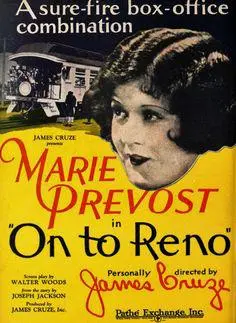
This film works because of its surprisingly intricate plot, which, for a silent comedy, manages to weave together multiple misunderstandings and deceptions into a genuinely engaging farce. The central premise of identity swapping, while a classic trope, is executed with a briskness that keeps the audience invested in Vera’s predicament. Furthermore, the performances, particularly from Marie Prevost, elevate the material beyond mere slapstick, injecting genuine emotion into the comedic chaos.
This film fails because its comedic timing, reliant on visual gags and broad expressions, can feel ponderous to a contemporary audience. The resolution, while narratively complete, leans heavily on a deus ex machina that strains credulity, even within the context of farce, undermining some of the earlier, more clever setups. Moreover, the film’s silent nature inherently limits its accessibility for many modern viewers who might struggle to connect with its non-verbal storytelling.
You should watch it if you appreciate the historical significance of early cinema, enjoy the theatricality of silent performances, or are intrigued by how comedies tackled themes of marriage and finance a century ago. It’s a valuable artifact that offers more than just archival interest.
The engine of On to Reno is its audacious, if somewhat implausible, plot. At its core, it’s a story of desperation leading to deception, a familiar trope given a delightful silent-era spin. Vera and Bud, a young couple, find themselves in a financial bind that feels acutely relatable even today. This vulnerability pushes Vera into an extraordinary agreement with the wealthy Mrs. Holmes: to impersonate her in Reno, fulfilling the residency requirements for a quick divorce. It's a setup ripe for comedic disaster, and the film wastes no time in delivering.
The brilliance here lies in the cascading misunderstandings. Bud, upon discovering Vera's sudden departure, immediately assumes the worst – that she intends to divorce him. This emotional core provides a grounding counterpoint to the escalating absurdity. It's a simple, effective dramatic irony that silent films often leveraged with great success, allowing the audience to be privy to information the characters lack, enhancing both tension and humor.
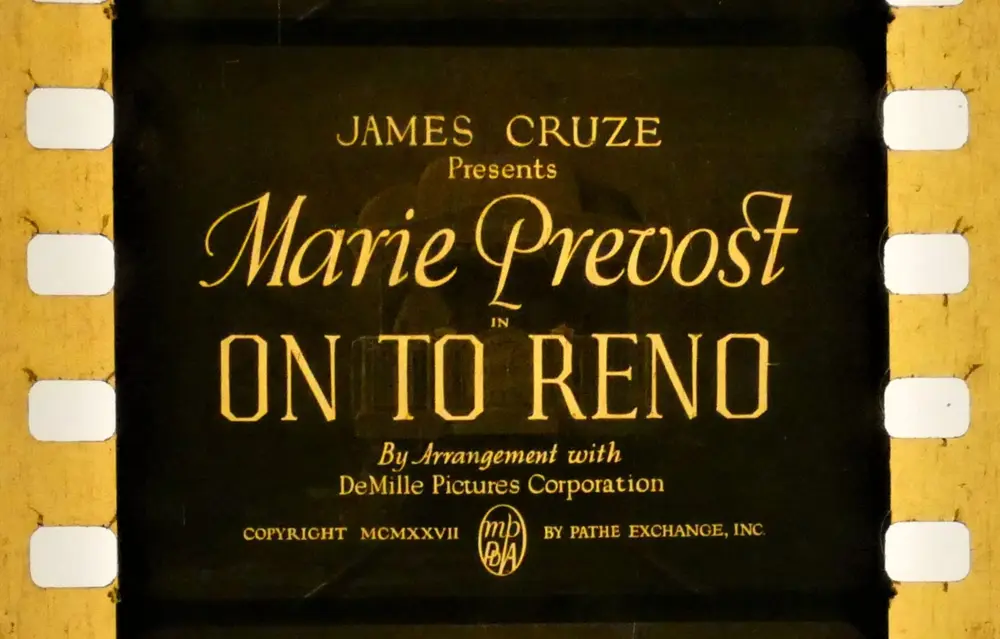
Then arrives Mr. Holmes, initially seeking reconciliation with his estranged wife. His discovery of Vera's impersonation is the film’s most surprising, and perhaps most cynical, twist. Instead of exposing her, he blackmails her into continuing the charade. This move elevates the stakes considerably, transforming a simple comedic premise into something darker, a commentary on the transactional nature of marriage and divorce in that era. It's a moment that could easily veer into drama, but the film maintains its farcical tone through the sheer audacity of the situation.
Frankly, the ending is a bit too neat, a narrative bow tied with a string of pure convenience. The sudden appearance of Mrs. Holmes and the fortuitous business deal between Bud and Mr. Holmes feels less like earned resolution and more like a narrative shortcut. While satisfying in its completeness, it retroactively diminishes some of the cleverness of the earlier setups. One might even argue that the film’s greatest strength lies not in its humor, which can be hit-or-miss for modern eyes, but in its surprisingly robust plotting, even with its convenient conclusion.
Evaluating silent film performances requires a different lens than modern acting. Without dialogue, actors relied heavily on exaggerated facial expressions, precise body language, and often theatrical gestures to convey emotion and drive the narrative. The cast of On to Reno, led by Marie Prevost as Vera and Cullen Landis as Bud, navigates these demands with varying degrees of success, offering a window into the prevailing acting styles of the period.
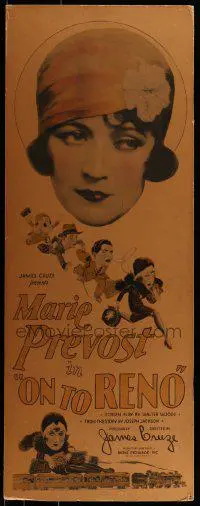
Marie Prevost, in particular, shines as Vera. Her performance is a masterclass in silent film emoting. She deftly transitions Vera from a playful, slightly mischievous wife to a woman genuinely caught in a web of her own making, conveying fear, exasperation, and moments of genuine panic with remarkable clarity. Consider the subtle shift in Prevost’s posture when Vera realizes the depth of her predicament under Mr. Holmes’s veiled threat; her shoulders slump, her eyes widen, and a tremor runs through her hands – all without a single spoken word, yet the audience understands her terror.
Cullen Landis, as the bewildered Bud, provides a solid counterpoint. His character is largely reactive, a man caught in a storm of his wife's making, and Landis effectively portrays his confusion and eventual anguish. While his performance might lack some of Prevost's nuanced range, his earnestness grounds the more outlandish elements of the plot. His wide-eyed despair upon finding Vera gone is a classic silent film moment, instantly communicating his internal turmoil.
The supporting cast, including Ned Sparks and Jane Keckley, fulfills their roles adequately, adding texture to the ensemble. Sparks, known for his deadpan delivery in later talkies, likely brought a similar understated quality to his silent appearances, though it's harder to discern without his signature voice. The challenge for modern viewers lies in adjusting to this heightened, non-verbal form of communication. It requires an active engagement, an interpretation of visual cues that contemporary cinema often makes explicit through dialogue. For those willing to make that adjustment, there are genuine delights to be found in these performances, particularly Prevost’s engaging turn.
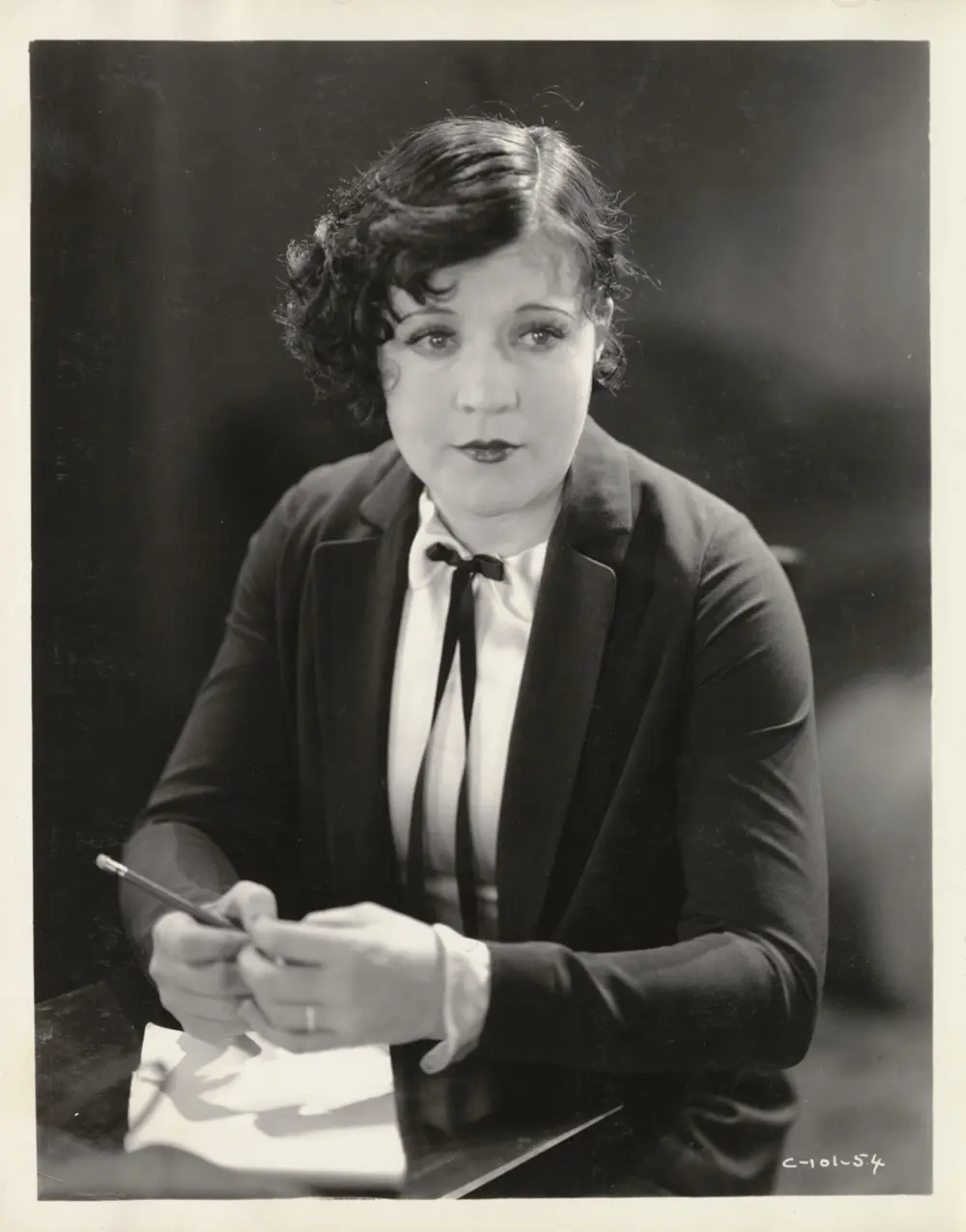
Walter Woods’s direction in On to Reno is competent and straightforward, typical of many silent comedies of the era. He employs a functional approach, prioritizing clear storytelling and effective visual gags over stylistic flourishes. The film’s visual language is accessible, relying on established cinematic conventions to guide the audience through its intricate plot. There are no groundbreaking camera movements or experimental techniques here, but a steady hand that keeps the narrative momentum.
Woods frequently employs medium shots to capture the full expressive range of his actors, particularly in scenes of heightened emotion or comedic revelation, such as Bud’s initial shock upon discovering Vera’s absence, conveyed through a classic wide-eyed, hand-to-forehead gesture. The use of intertitles is judicious, providing essential dialogue and narrative exposition without overwhelming the visual storytelling. They serve as crucial bridges, ensuring that the audience understands the motivations and machinations driving the plot.
The cinematography, while not overtly artistic, effectively serves the film's comedic and dramatic needs. The black and white aesthetic is crisp, with sufficient contrast to define characters and settings. The establishing shots of Reno, while perhaps not groundbreaking, effectively convey a sense of a transient, almost liminal space, perfectly suiting the film’s themes of temporary identities and fleeting marital arrangements. The interiors, particularly Mrs. Holmes's lavish Reno abode, are rendered with enough detail to suggest opulence without being distracting, a testament to the era's set design.
One particular strength is Woods's ability to stage physical comedy. While not a constant barrage, the moments of slapstick or exaggerated movement are well-timed and contribute to the overall farcical tone. The director understands the visual grammar of silent comedy, ensuring that the audience can follow the action and appreciate the humor without the aid of spoken words. It’s a testament to the clarity of his vision that such a convoluted plot remains easy to follow visually.
The pacing of On to Reno is undeniably an acquired taste, especially for those accustomed to the rapid-fire editing and constant stimulation of modern cinema. Its early scenes move with a surprising velocity, establishing the financial woes and Vera’s pivotal decision with minimal fuss. This brisk setup quickly throws the audience into the central conflict, demonstrating an efficiency in silent storytelling that is often underestimated.
However, once in Reno, the narrative settles into a more deliberate cadence, allowing the various misunderstandings to simmer and build, often relying on extended sequences of visual reaction and physical comedy. This slower build might test the patience of some viewers, yet it’s entirely characteristic of the era. Silent films often allowed scenes to breathe, giving audiences time to absorb the visual information and the emotional beats conveyed through performance.
The tone is predominantly farcical, lighthearted despite the underlying themes of financial distress and marital discord. The film never takes itself too seriously, even when Mr. Holmes threatens Vera with legal action. This commitment to comedy ensures that the audience remains engaged with the characters' predicaments without feeling burdened by their struggles. It’s a delicate balance, and Woods largely pulls it off.
Beneath the surface-level farce, there's a subtly critical undercurrent regarding the era's divorce laws and the lengths people would go to circumvent them. The film doesn't preach, but it certainly observes the absurdity of a system that incentivized such elaborate deceptions. This provides a surprising layer of social commentary, making the film more than just a series of gags. It works. But it’s flawed.
“On to Reno is a valuable historical artifact, a charming if dated silent comedy that offers a unique glimpse into the social anxieties and cinematic techniques of the 1920s.”
Yes, On to Reno is worth watching today, especially for those interested in film history. It provides a clear example of early comedic plotting. The performances, particularly Marie Prevost’s, are engaging. Its insights into 1920s societal norms are fascinating. However, prepare for silent film pacing and visual humor. It’s not a film for everyone, but it holds significant value for specific audiences.
On to Reno is a charming, if imperfect, relic from the silent era. Its strength lies in its surprisingly robust plot and Marie Prevost’s engaging performance, which together craft a compelling, albeit farcical, narrative. While its pacing and comedic sensibilities might not resonate with every modern viewer, its historical value and the sheer ingenuity of its premise make it a worthwhile watch for those with an appreciation for early cinema. Don't expect a laugh-a-minute riot, but do anticipate a fascinating glimpse into a bygone era of storytelling. It's a film that deserves to be seen, not just for its historical context, but for the genuine craft that went into its creation. It stands as a testament to the enduring power of visual storytelling, even without the aid of sound. For a more contemporary take on marital hijinks, you might prefer something like The Love Bug, but for a true dive into cinematic history, On to Reno offers a unique experience.
IMDb 6.2
1914
Community
Log in to comment.