Summary
In a nameless prairie town where the telegraph wires hum like nervous cicadas, two drifters—one a lapsed carnival barker with soot-black eyes, the other a pickpocket who speaks only in palindromes—stumble upon a shuttered opera house rumored to swallow sound. Inside, they find a single gaslight still burning, its mantle stitched from wedding veils. The barker, hungry for echoes of the crowd he once commanded, strikes a match; the flame blossoms into a woman made entirely of celluloid strips, her laughter sprocket-holed and crackling. She offers them a bargain: trade your most cherished memory for a ticket to a matinee that never ends. The pickpocket forfeits the recollection of his mother’s lullaby, receiving in return a brass coin warm as fresh bread. The barker, unable to decide, pockets the flame-woman’s photograph instead, instantly forgetting every face he ever loved. The opera-house walls ripple into a prairie dusk; the seats fill with mannequins wearing the clothes of the missing. A silent orchestra of typewriter arms rises and falls, clacking out a libretto of eviction notices and love letters never mailed. The celluloid woman leads the men through trapdoors that open onto their childhoods, now boarded up and graffitied with tomorrow’s headlines. In one room, the barker confronts his younger self selling snake-oil from a wagon painted with constellations that predict divorces. In another, the pickpocket discovers a drawer of glass gloves, each pair preserving the fingerprints of every hand he ever held. When dawn finally seeps through the cracked cupola, the building exhales them onto the street. The coin has vanished; the photograph now shows only scorched paper. They walk away in opposite directions, footprints filling with wind-blown tickets stamped ‘Admit None.’ Somewhere behind them, the opera house folds itself into a valise small enough to be lost on a train, waiting for the next pair of hollowed-out pilgrims seeking applause that won’t bruise.
Review Excerpt
"
Memory, that fickle seamstress, unpicks herself in Rubes and Romance—a film so drunk on its own nitrate ghosts it feels illicit to watch in daylight.
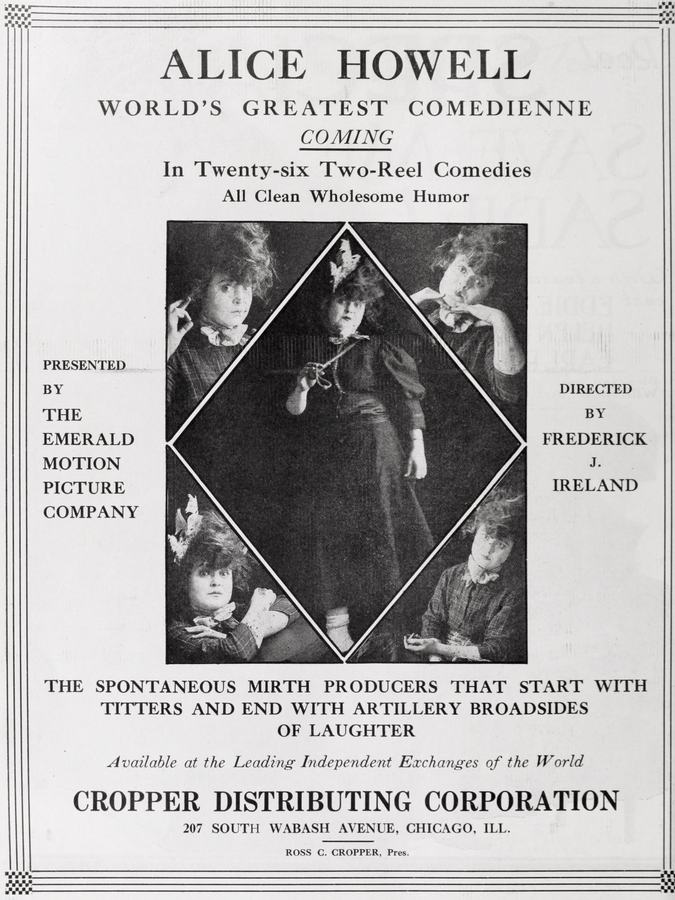
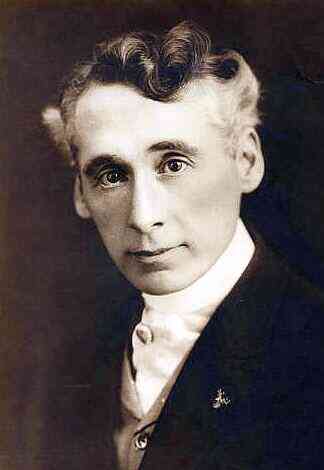
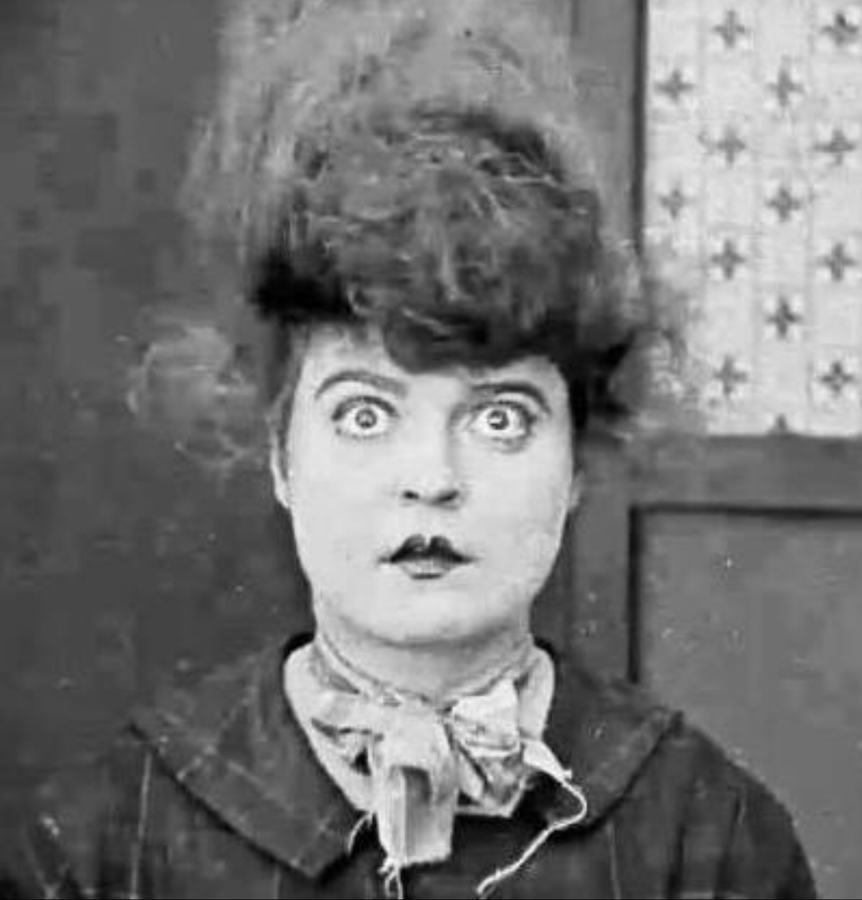
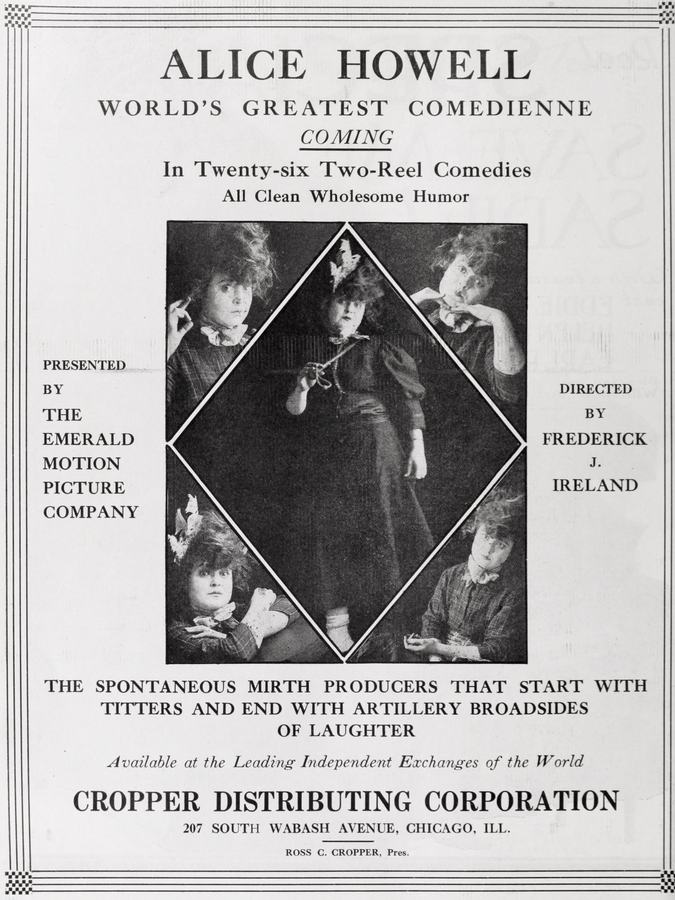
Richard Smith saunters into frame as if he has already been erased, his coat pockets sagging with unmailed valentines. Opposite him, Alice Howell’s kohl-smudged eyes operate like broken kaleidoscopes: every glance sprays shards of thwarted vaudeville dreams across the screen. Together they compose a duet of collapse, their silhouettes flickering..."