DbcultAccessing Vault...
5.6/10
Senior Film Conservator
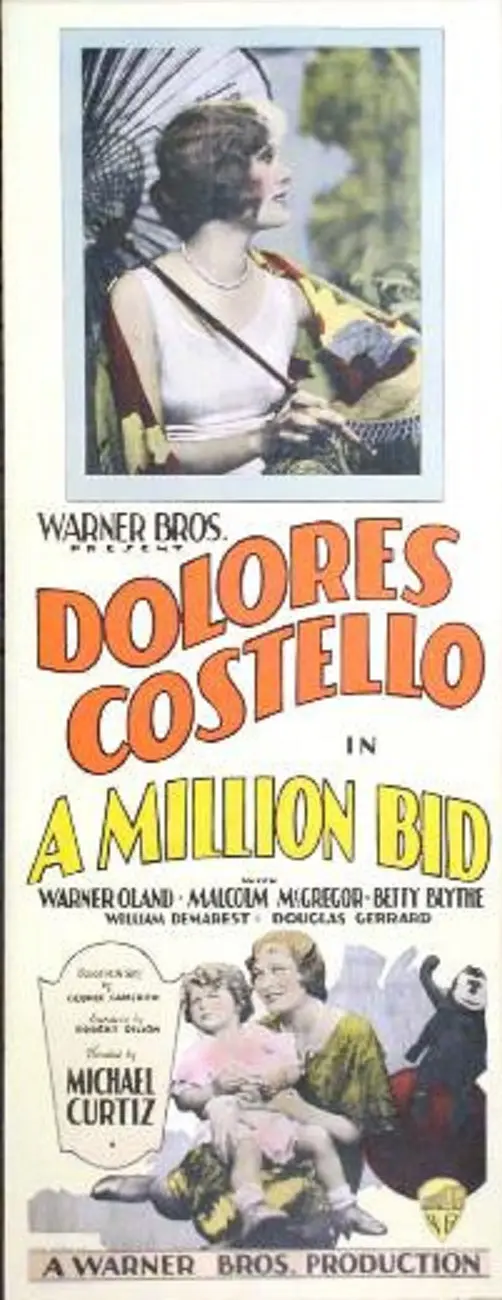
A definitive 5.6/10 rating for a film that redefined the boundaries of cult cinema. A Million Bid remains a cornerstone of transgressive art.
Is A Million Bid a silent film that actually holds up for a modern audience? Short answer: Yes, but only if you are willing to look past the theatrical gestures of the era to find the dark, psychological core beneath.
This film is for enthusiasts of medical ethics and high-stakes melodrama who appreciate a villain you can truly loathe. It is not for viewers who demand fast-paced action or those who find the visual language of 1920s cinema too alien to engage with.
1) This film works because it treats its central moral dilemma with a surprisingly modern sense of dread.
2) This film fails because the middle act relies on a shipwreck coincidence that feels like a lazy narrative shortcut.
3) You should watch it if you want to see Warner Oland deliver a masterclass in silent-era menace.
The film opens with a sequence that remains uncomfortable to watch. Dorothy is essentially put on the block. The "Million Bid" of the title isn't just a metaphor; it represents the cold transaction of a woman's life. Unlike the softer domesticity found in The Old Nest, this film leans into the predatory nature of the upper class.
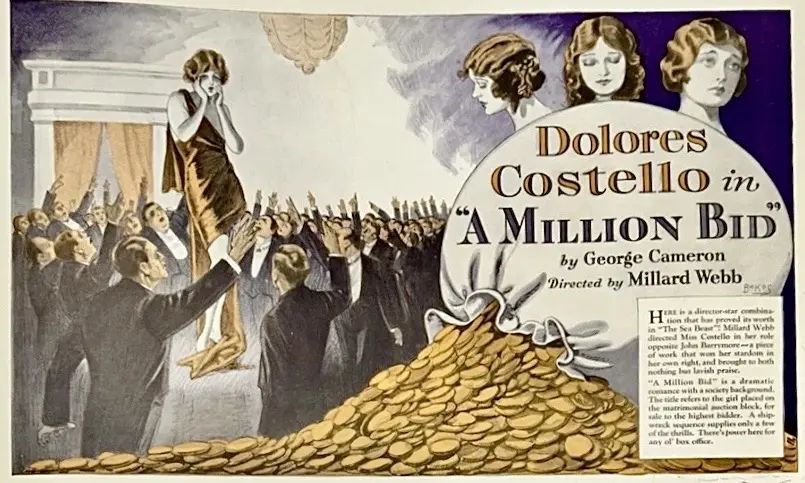
Dolores Costello brings a specific kind of luminescence to the role. She doesn't just play the victim; she plays a woman who is slowly being extinguished. When she is forced to marry Geoffrey Marsh, the camera lingers on her face, capturing a hollowed-out expression that rivals any modern horror performance. It is visceral.
The cinematography in these early scenes uses heavy shadows to emphasize the entrapment. There is a specific shot where Marsh stands over Dorothy, his shadow stretching across her like a shroud. It is simple, effective, and brutal. It works. But it’s flawed by the speed of the transition into the next act.
Once the story moves to the medical dilemma, the film shifts gears. Dr. Loring is portrayed not as a hero, but as a man haunted by his own capability. When the amnesiac Marsh is brought into his clinic, the tension becomes unbearable. Loring knows who this man is. He knows what this man did to his wife.
The surgical scenes are surprisingly clinical for 1927. There is a focus on the hands, the instruments, and the sweat on the surgeon's brow. It reminds me of the physical tension in Die Narbe am Knie, where a physical mark carries the weight of a hidden past. Here, the "mark" is the trauma locked inside Marsh's brain.
The film asks a question that still resonates: Does a doctor owe the truth to a monster? Loring’s internal struggle is the engine of the film’s second half. If he heals Marsh, he restores a predator. If he withholds his skill, he commits a sin of omission that might be just as dark. It is a brilliant, agonizing pivot for a silent movie.
Yes, A Million Bid is worth watching because it transcends its era's penchant for simple morality. While many films of the late 1920s, like The Narrow Street, focused on lighthearted social maneuvering, this film dives into the mud of human ethics. It is a rare silent film that feels like it’s actually sweating under the pressure of its own plot.
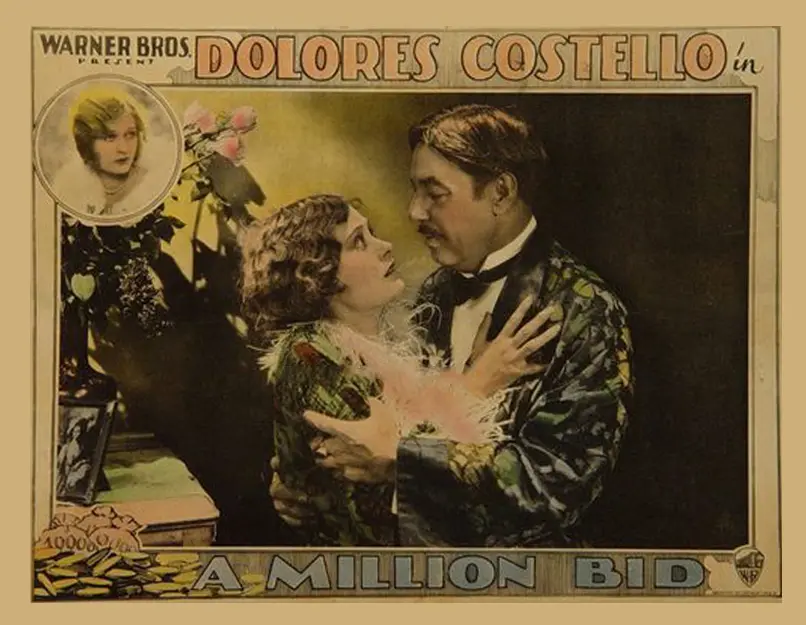
The performances, particularly from Warner Oland, are terrifyingly effective. Oland, who would later become famous for The Wolf Man and his Charlie Chan roles, plays Marsh with a heavy, looming physicality. Even when he is an amnesiac, he feels like a coiled snake. You find yourself rooting for Loring to fail, which is a testament to how well the film establishes its stakes.
Director Michael Curtiz (who would later give us Casablanca) shows early flashes of his genius here. The way he uses the shipwreck sequence is chaotic and frightening. The water isn't just a plot device; it’s a character that cleanses the story only to vomit the past back up later. It lacks the polish of modern CGI, but the practical effects have a weight that digital images often lack.
There is a specific moment during the storm where the lighting flickers, mirroring the fracturing of Marsh’s mind. It is an unconventional choice for the time. Most directors would have kept the lighting flat to ensure the actors were visible, but Curtiz chose atmosphere over clarity. That choice pays off in spades.
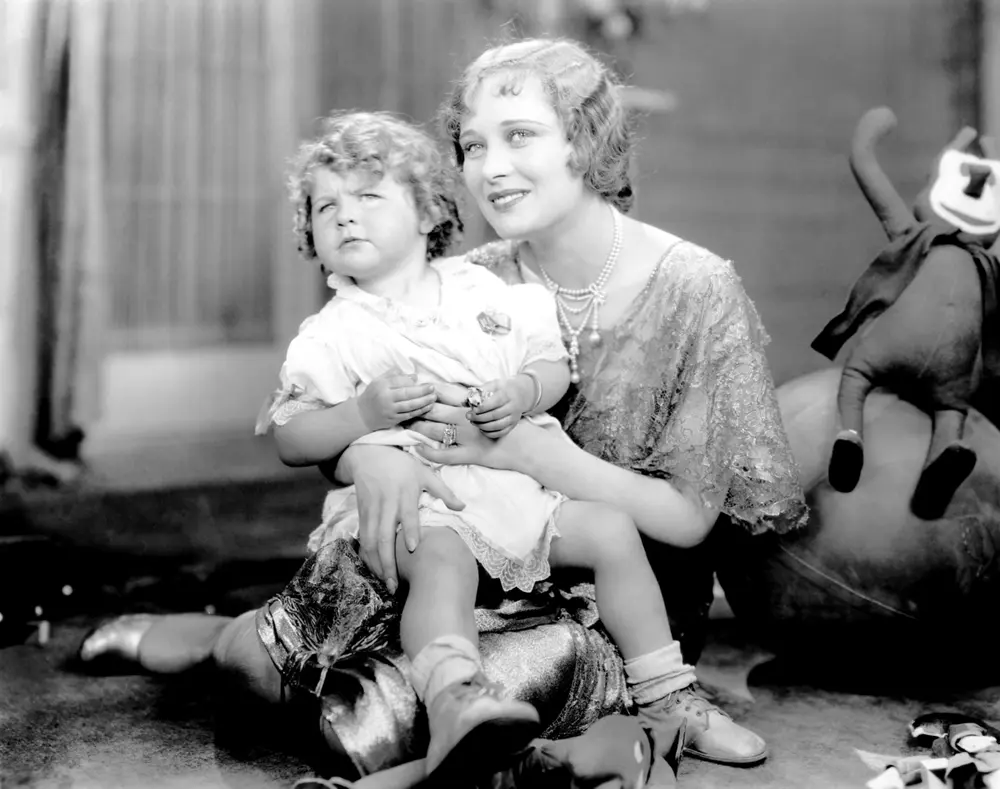
The pacing, however, is where the film shows its age. The setup takes a long time, and the resolution feels somewhat rushed. It doesn't have the tight construction of Another Scandal, but it makes up for it with sheer emotional intensity. It is a heavy watch, but a rewarding one for those who stick with it.
The moral complexity is far ahead of its time. Unlike the black-and-white morality of many 1920s features, this film operates in a grey area. Dolores Costello’s performance is genuinely moving, avoiding the 'damsel' tropes to show a woman surviving profound trauma. The cinematography by Hal Mohr is atmospheric and daring.
The 'coincidence' factor is high. The chances of the first husband ending up on the second husband’s operating table are astronomical. Some of the title cards are overly flowery and distract from the raw emotion on screen. The final five minutes feel like the studio demanded a 'safe' ending rather than a realistic one.
A Million Bid is a fascinating artifact that manages to be more than just a historical curiosity. It is a dark, brooding exploration of whether we can ever truly escape our pasts. While it suffers from some of the structural weaknesses of the silent era, its central performances and bold direction make it a must-watch for cinephiles.
It is a film about the price of a soul and the weight of a scalpel. Warner Oland is terrifying. Dolores Costello is heartbreaking. The moral question will stay with you long after the final frame. It isn't a masterpiece, but it is a powerful piece of filmmaking that deserves its place in the conversation about early psychological thrillers.
IMDb —
1926
Community
Log in to comment.