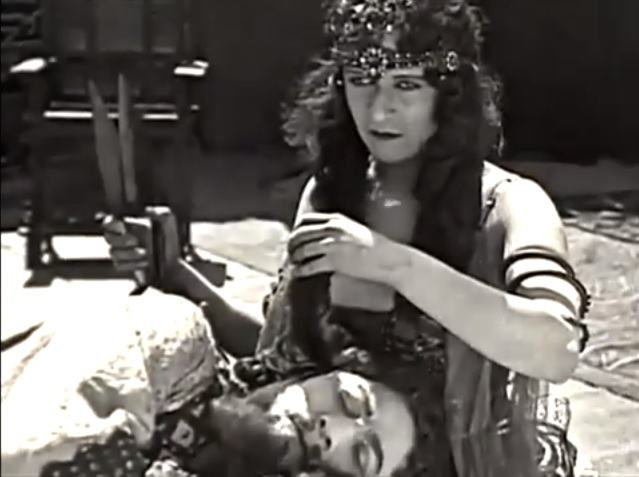
The cinematic landscape of the early 1920s was often characterized by a desperate reach for the monumental, a desire to translate the weight of history and myth into the flickering language of light and shadow. Frank Miller’s adaptation of the Samson narrative stands as a staggering testament to this ambition. It is ...
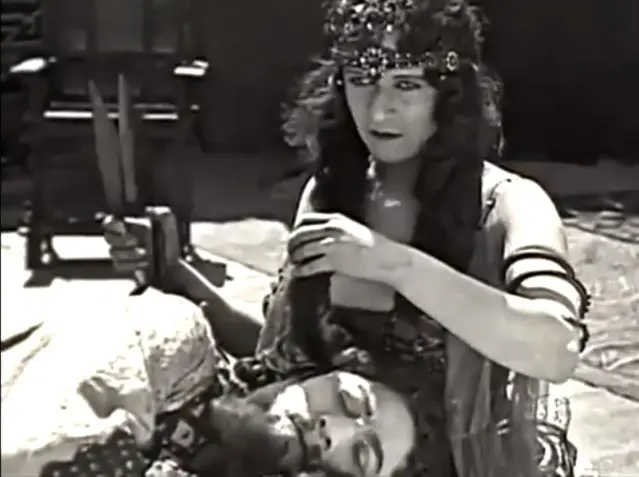
still_frame
Comparing the cinematic DNA and archive impact of two defining moments in cult history.
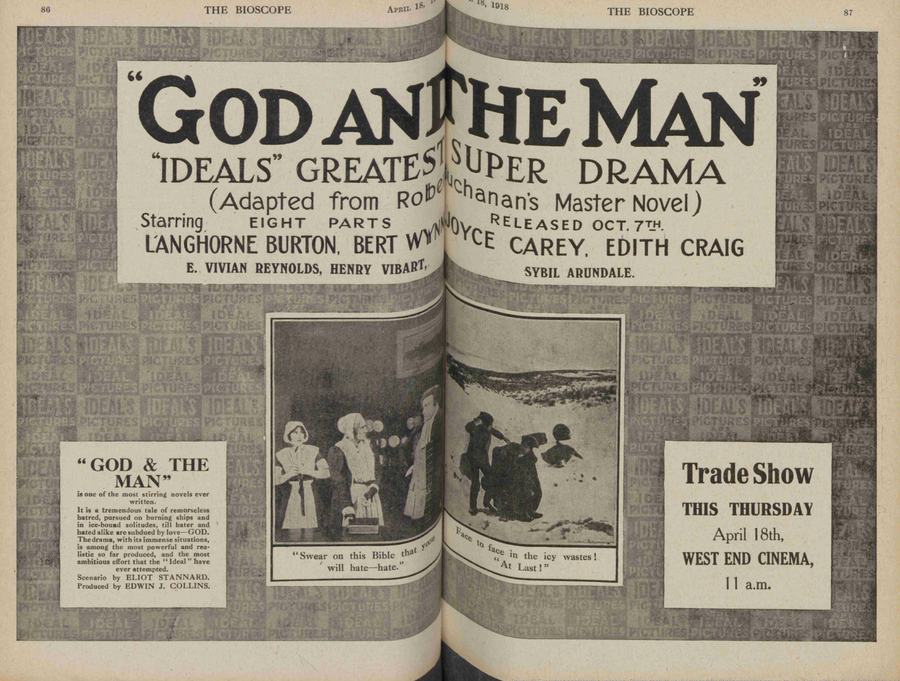
Edwin J. Collins
Reggie Morris
Community
Log in to comment.
" The cinematic landscape of the early 1920s was often characterized by a desperate reach for the monumental, a desire to translate the weight of history and myth into the flickering language of light and shadow. Frank Miller’s adaptation of the Samson narrative stands as a staggering testament to this ambition. It is a film that breathes with a primordial vitality, capturing the raw essence of a story that has haunted the human psyche for millennia. While many contemporary features, such as La ..."
1920 · IMDb —
Reggie Morris

Deep dive into the cult classic
Discover similar cinematic experiences
A Directorial Spotlight on Edwin J. Collins