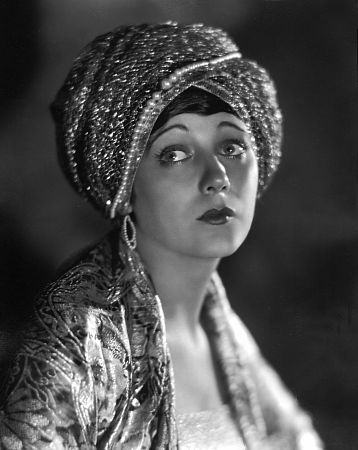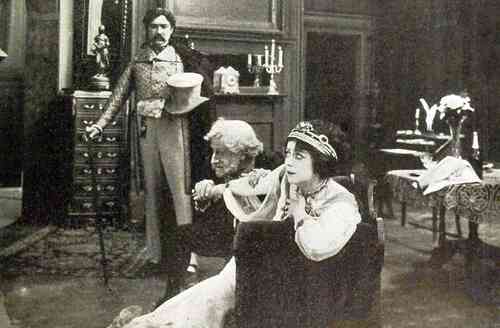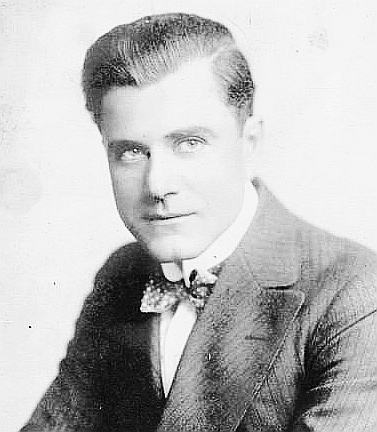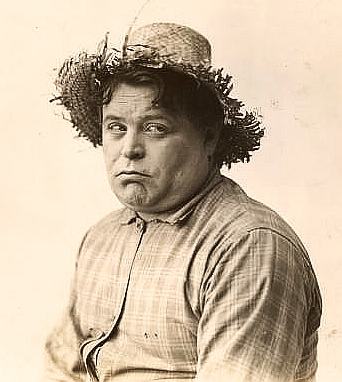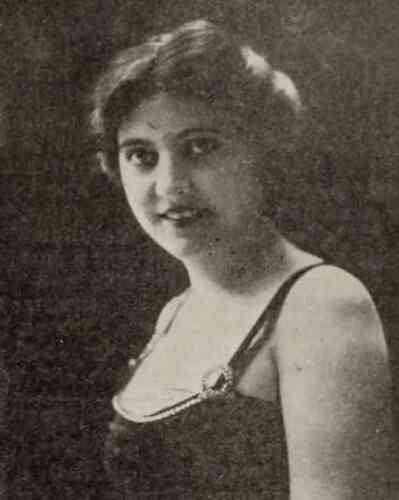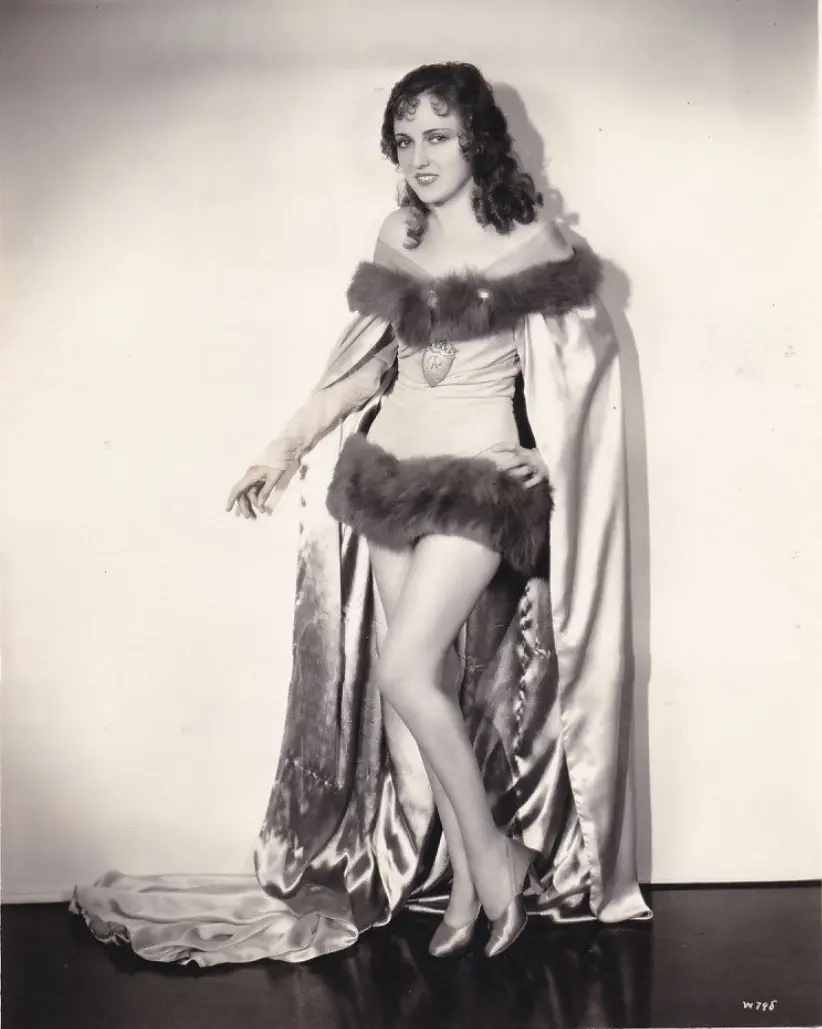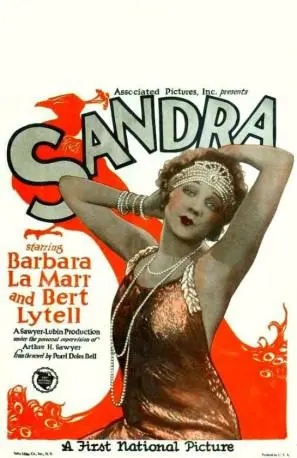
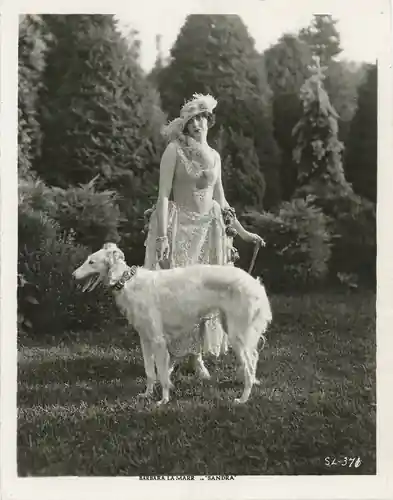
Sandra Waring is a woman with two personalities. Her easy-going complacent husband David cannot understand her, for at times she is an affectionate home-loving wife and at other times she is exotic with a craving for adventure and romance.
In the pantheon of silent cinema, few figures cast a shadow as long or as tragically luminous as Barbara La Marr. Known as "The Girl Who Was Too Beautiful," La Marr was often relegated to roles that capitalized on her aesthetic perfection rather than her dramatic range. However, in Sandra (1924), we witness a st...
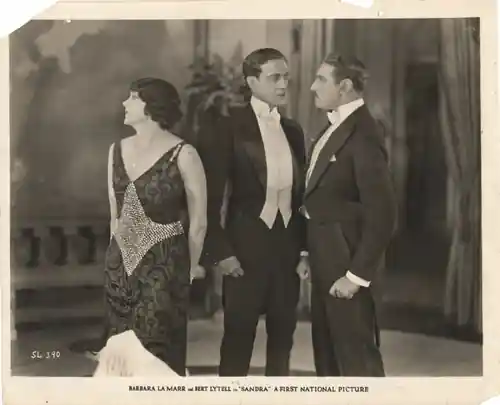
still_frame
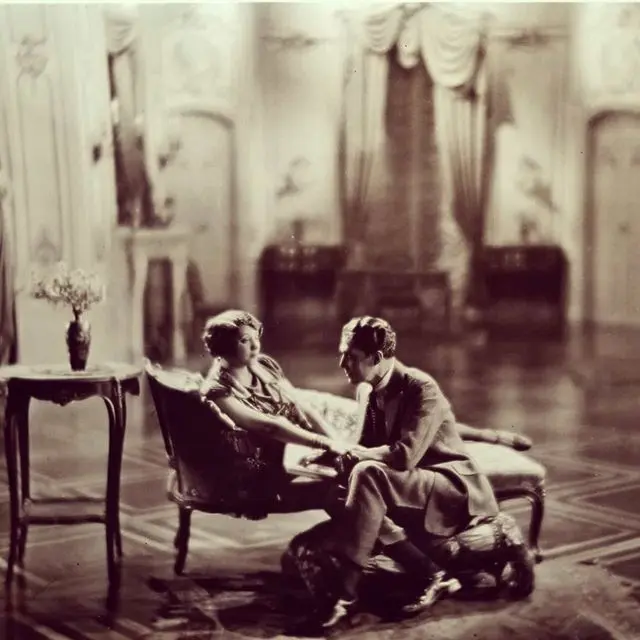
still_frame
still_frame
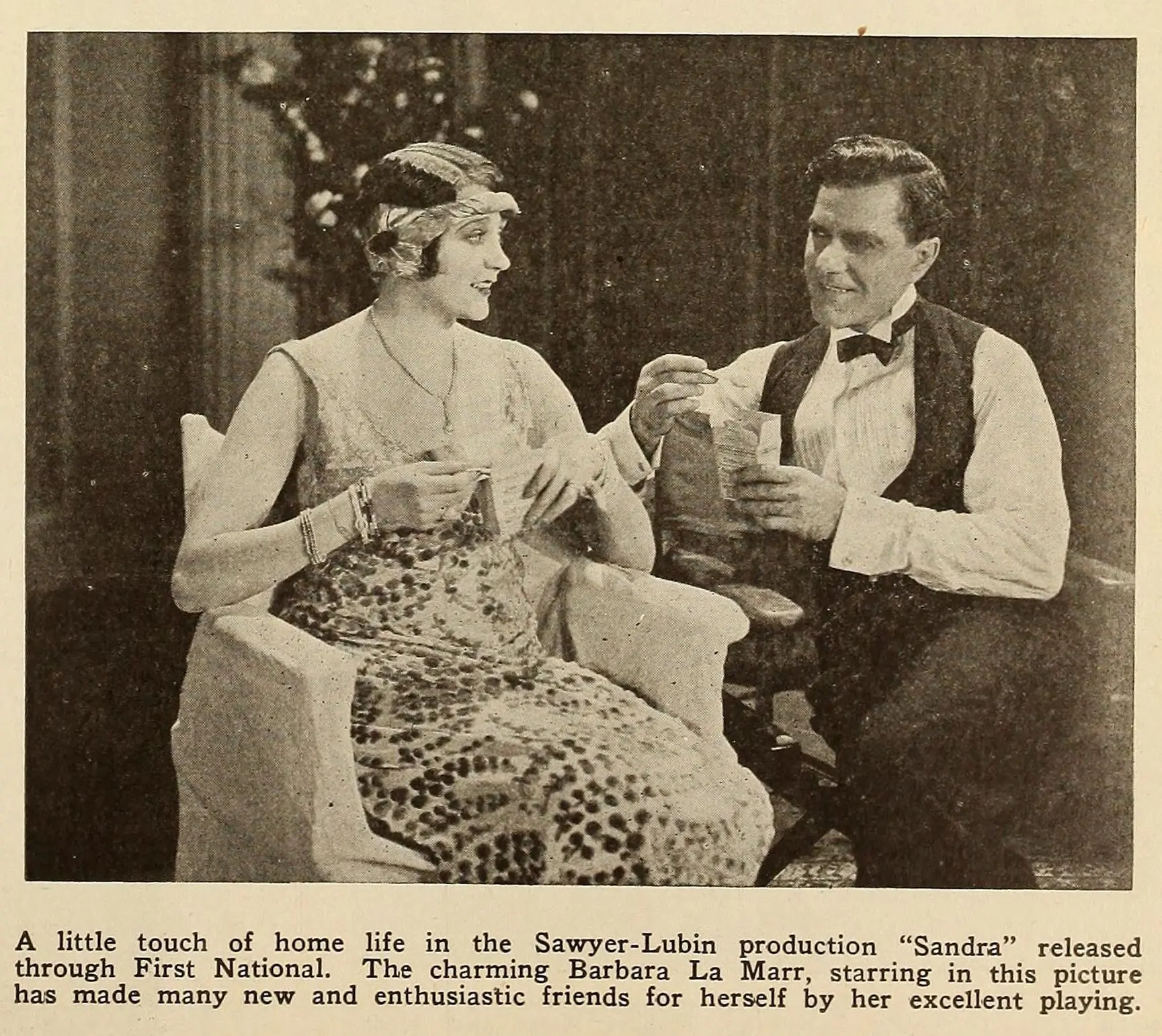
publicity
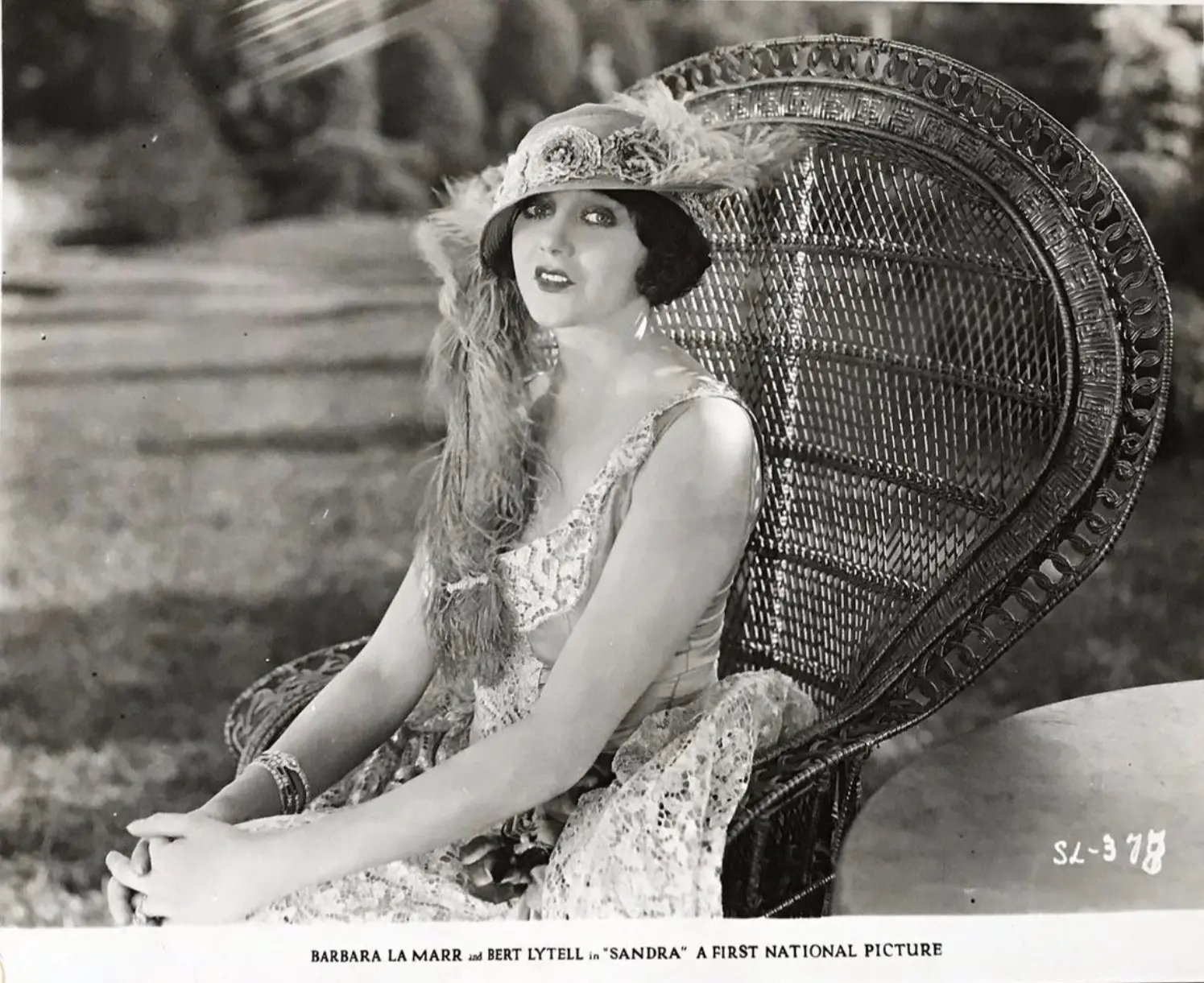
still_frame
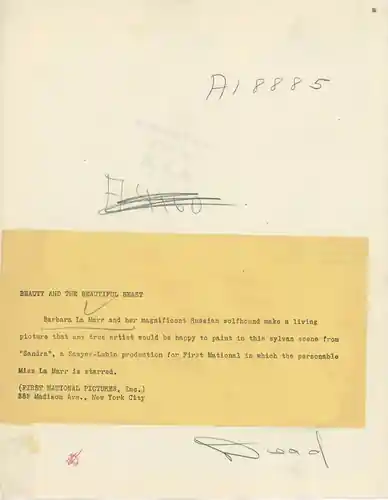
publicity
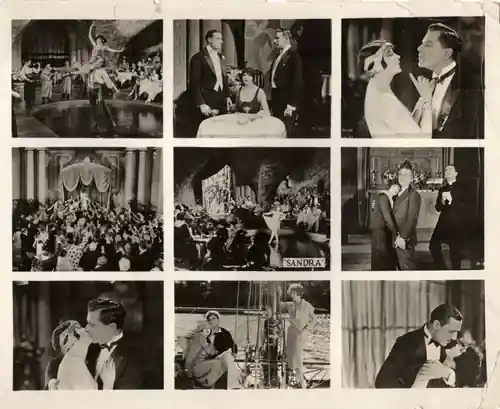
still_frame

Comparing the cinematic DNA and archive impact of two defining moments in cult history.
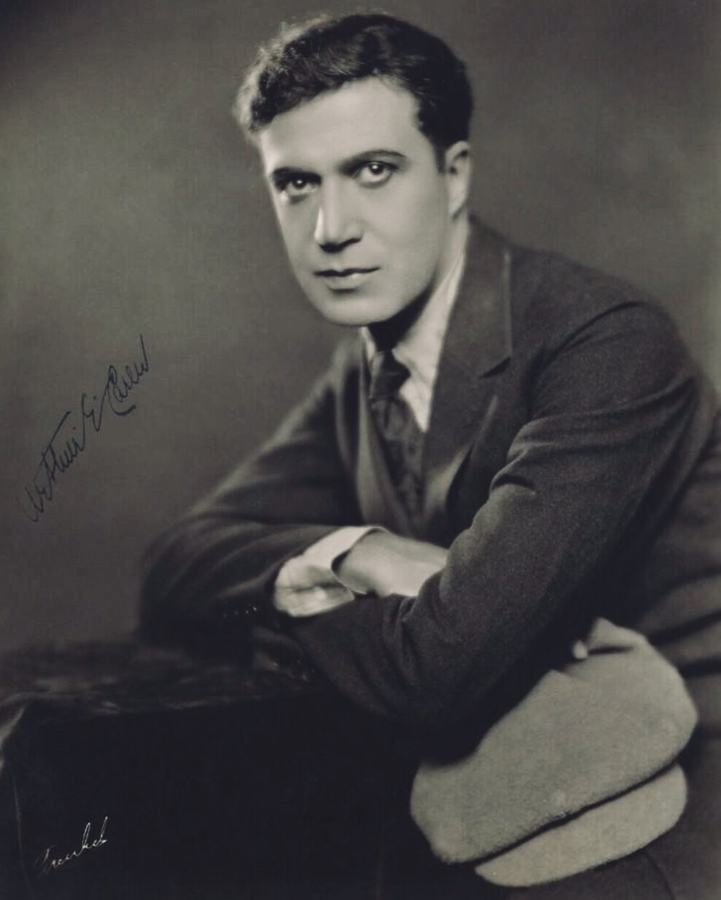
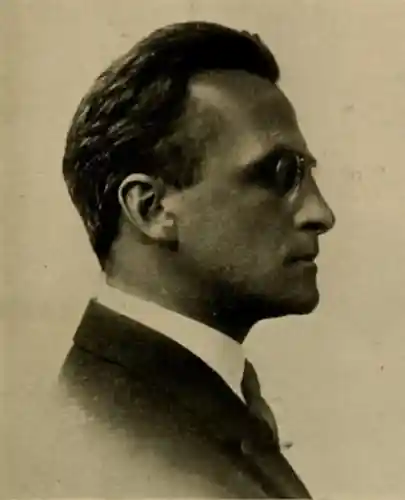
Arthur H. Sawyer
Bruno Ziener
Community
Log in to comment.
" In the pantheon of silent cinema, few figures cast a shadow as long or as tragically luminous as Barbara La Marr. Known as "The Girl Who Was Too Beautiful," La Marr was often relegated to roles that capitalized on her aesthetic perfection rather than her dramatic range. However, in Sandra (1924), we witness a startling departure from the vampish archetypes of the era. This film is a dense, atmospheric character study that predates the modern psychological thriller, navigating the treacher..."
Barbara La Marr
Arthur H. Sawyer, Pearl Doles Bell
United States