DbcultAccessing Vault...
Cult Review
Senior Film Conservator
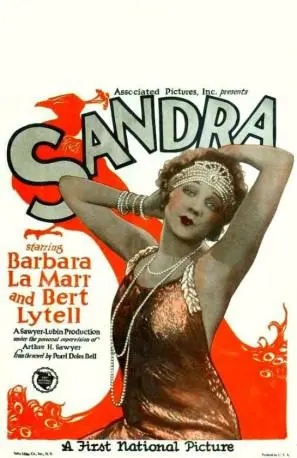
In the pantheon of silent cinema, few figures cast a shadow as long or as tragically luminous as Barbara La Marr. Known as "The Girl Who Was Too Beautiful," La Marr was often relegated to roles that capitalized on her aesthetic perfection rather than her dramatic range. However, in Sandra (1924), we witness a startling departure from the vampish archetypes of the era. This film is a dense, atmospheric character study that predates the modern psychological thriller, navigating the treacherous waters of a personality split between the mundane and the macabre.
The premise of Sandra is deceptively simple: a woman with two distinct personalities. Yet, the execution is anything but. Unlike the more whimsical explorations of identity found in films like Her Five-Foot Highness, Sandra treats its protagonist's condition with a somber, almost clinical reverence. Sandra Waring is first introduced to us as the quintessential domestic goddess of the mid-20s—complacent, affectionate, and utterly devoted to her husband, David. But there is a flicker in La Marr’s eyes that suggests a dormant volcano.
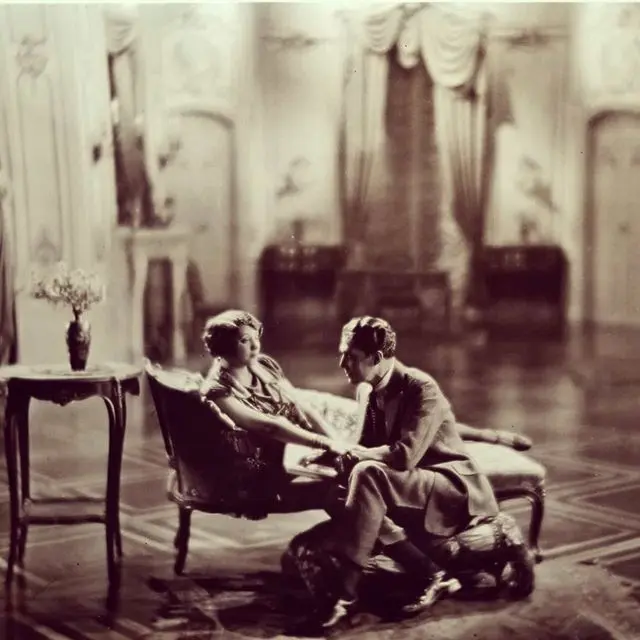
When the 'other' Sandra emerges, the film’s visual language shifts dramatically. The soft focus of the home life is replaced by the sharp, high-contrast shadows of the exotic underworld. This isn't just a change in mood; it is a change in the very fabric of the character's reality. While many films of the period, such as The Little Fool, dealt with women navigating social faux pas, Sandra delves into the terrifying possibility that the 'self' is an illusion.
Bert Lytell provides a necessary, if somewhat frustrating, foil to La Marr’s volatility. His David Waring is the embodiment of the static male ego of the early 20th century. He loves a version of Sandra that he has constructed in his own mind. When the 'exotic' Sandra manifests, craving adventure and romance beyond the picket fence, David’s reaction is not one of empathy, but of bewildered abandonment. His inability to grasp the complexity of his wife’s psyche mirrors the societal inability to accept women as multifaceted beings.
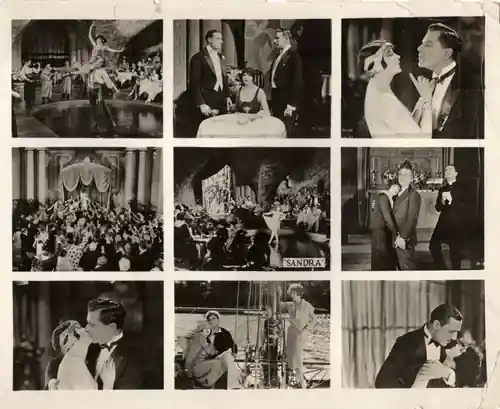
This dynamic creates a tension that is far more gripping than the standard melodramas of the time, such as The Whistle. Where that film relies on external conflict, Sandra finds its horror in the quiet moments of realization—the moment Sandra looks in the mirror and doesn't recognize the woman staring back. It’s a performance of immense bravery from La Marr, who was reportedly struggling with her own health during the production, adding a layer of meta-textual fragility to the role.
To truly appreciate the psychological weight of Sandra, one must look at the contemporary cinematic landscape. While The Alaskan offered audiences a rugged, externalized struggle against the elements, Sandra offers a struggle against the internal elements of the human spirit. The film shares a certain DNA with The Career of Katherine Bush in its depiction of a woman striving for a life beyond her station, but Sandra’s quest is not for social mobility; it is for spiritual liberation.
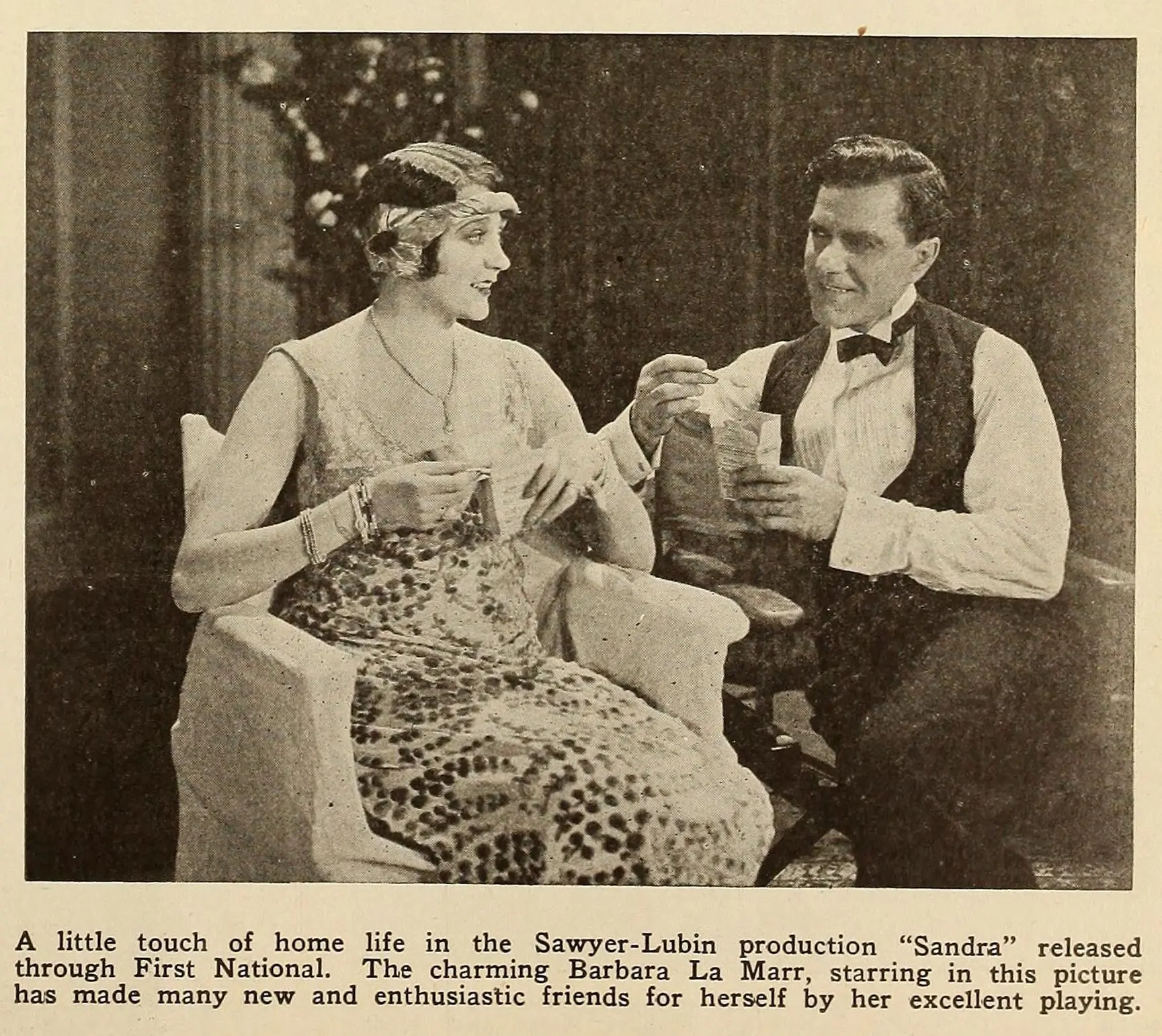
Even when compared to more traditional dramas like A Gentleman from Mississippi, Sandra feels startlingly modern. It avoids the easy sentimentality of Her First Kiss. Instead, it leans into the discomfort of duality. The screenplay by Arthur H. Sawyer and Pearl Doles Bell treats the 'exotic' Sandra not as a villain to be defeated, but as a suppressed truth that demands to be heard. This nuance is rare in silent cinema, which often preferred clear-cut morality over gray-scale psychology.
The production design of Sandra is a masterclass in symbolic storytelling. The Waring household is a fortress of symmetry and order—pale colors, soft fabrics, and a sense of suffocating stillness. Contrast this with the sequences where Sandra’s adventurous spirit takes flight. The sets become labyrinthine, filled with deep blacks and shimmering textures that reflect her internal chaos. It is a visual representation of the 'golden dreams' that haunt her, much like the thematic undercurrents of Golden Dreams.
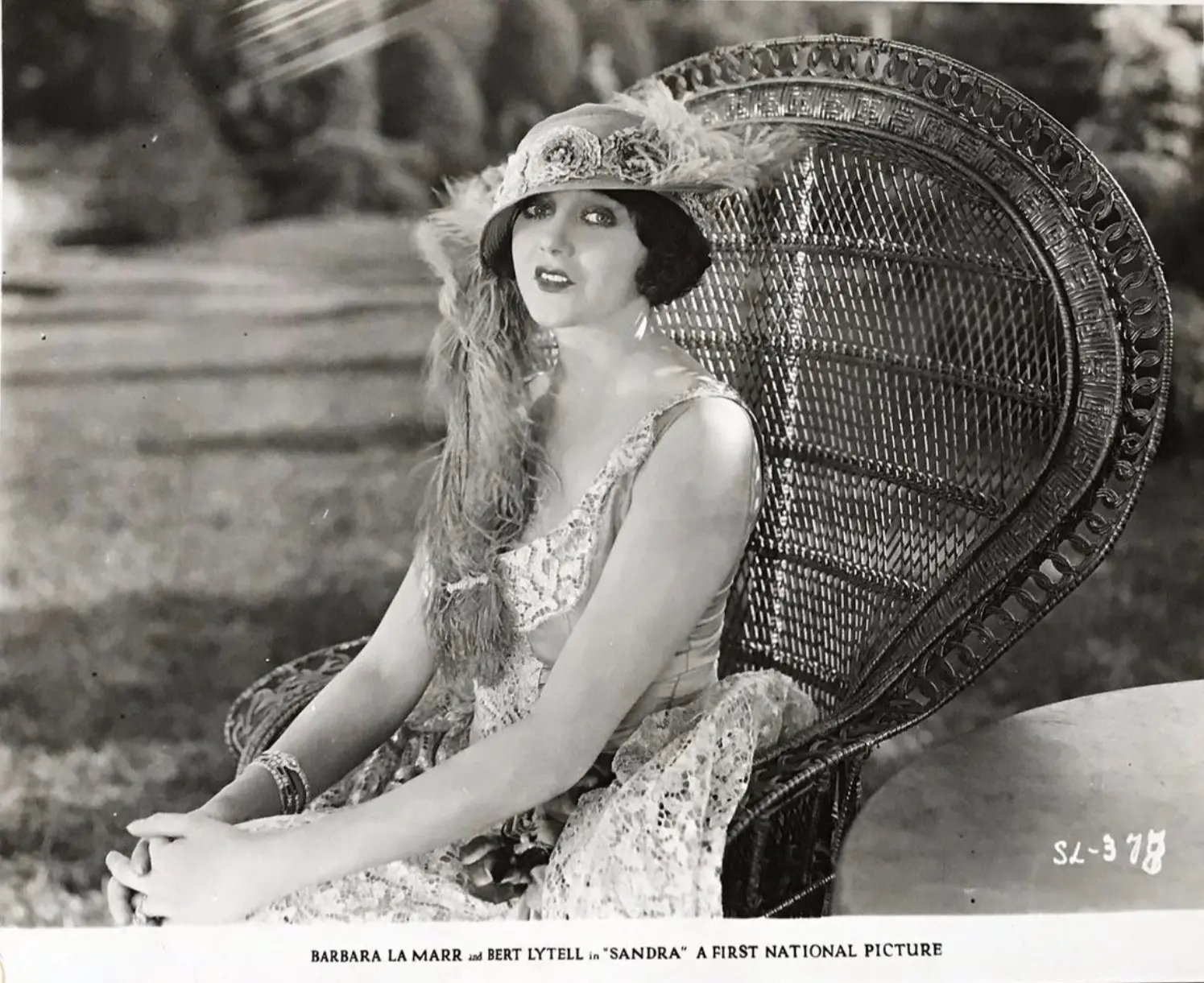
Director Arthur H. Sawyer utilizes the camera to entrap Sandra within the frame. There are numerous shots where she is positioned behind architectural elements—bedposts, window frames, or doorways—suggesting a woman imprisoned by her own domesticity. This visual motif of entrapment is far more sophisticated than the literal prisons found in Westerns like The Bargain. Here, the bars are made of social expectations and marital duty.
While modern audiences might be tempted to view Sandra through the lens of modern psychiatry, such as Dissociative Identity Disorder, to do so would be to miss the film’s poetic intent. Sandra is an allegory for the 'New Woman' of the 1920s. She is the tension between the Victorian past and the Jazz Age future. Like the characters in Nan of Music Mountain or The Halfbreed, she exists between two worlds, belonging fully to neither.
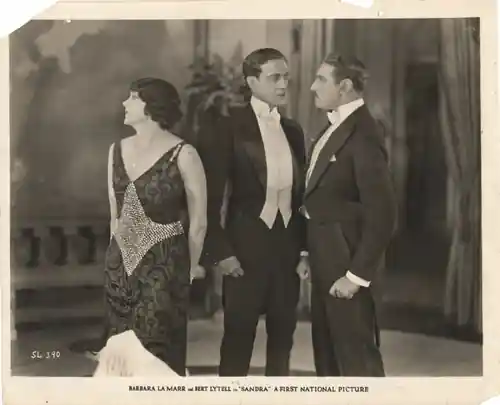
The film’s climax is not one of resolution, but of tragic acceptance. There is no 'cure' for Sandra because her duality is not a sickness; it is a response to a world that only allows her to be half a person. This existential dread is what elevates the film above contemporary peers like In Bad or the escapism of Robinson Crusoe Hours. It is a film that lingers in the mind, much like the performance of Barbara La Marr herself.
Sandra is a film that demands a contemporary re-evaluation. It is a sophisticated, daring work that utilizes the unique strengths of silent cinema—gesture, lighting, and symbolism—to tell a story that words might only dilute. Barbara La Marr gives the performance of her career, proving that she was far more than a beautiful face; she was a conduit for the anxieties of an entire generation of women.
For those accustomed to the more straightforward narratives of Blind Man's Holiday or the swashbuckling energy of Devil McCare, Sandra may feel slow or overly meditative. However, for the discerning cinephile, it is a treasure trove of psychological insight and visual beauty. It is a haunting reminder of the brilliance of La Marr and the untapped potential of the silent drama to explore the darkest corners of the human heart. It remains a staggering achievement in early psychological cinema, a film that refuses to offer easy answers to the complicated question of who we truly are when the lights go out.
"Sandra is not a woman divided by choice, but a woman shattered by the impossibility of being whole in a world that demands she be a shadow."
IMDb 6.3
1936
Community
Log in to comment.