Summary
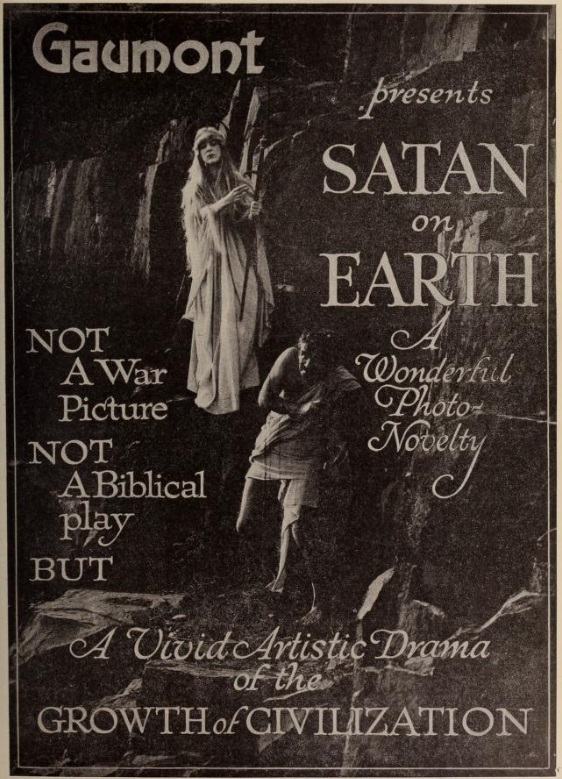
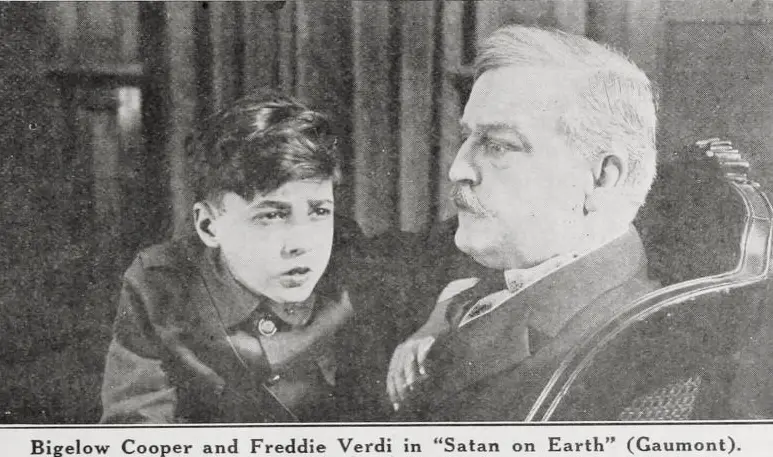
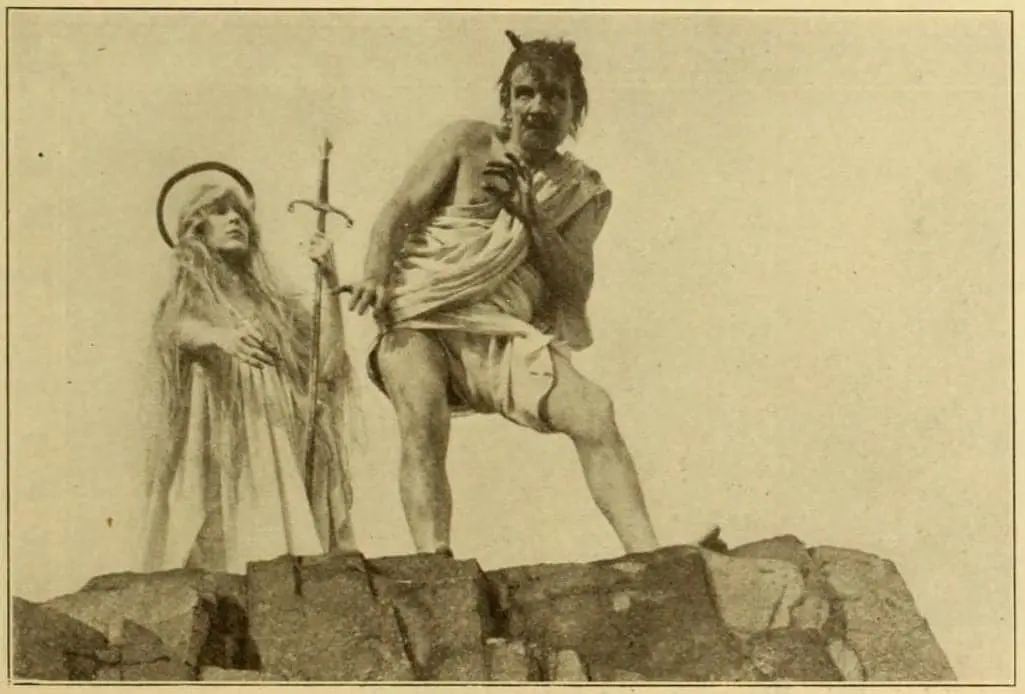
Satan on Earth unfurls as a panoramic chronicle, tracing the sinews of human civilization from the flickering embers of prehistory to the neon‑lit sprawl of the modern metropolis. The narrative, rendered with sumptuous visual poetry, positions the infernal antagonist not merely as a singular villain but as a pervasive, metaphysical force that gnaws at the edges of every epoch. In the opening tableau, primordial tribes wrestle with elemental chaos while a shadowy figure—Satan, cloaked in shifting guises—sows discord, prompting the first tentative steps toward communal cooperation. As agrarian societies blossom, the devil’s whisper morphs into bureaucratic corruption, infiltrating the nascent institutions of law and trade. The medieval chapter sees crusading zeal clash with demonic subterfuge, each cathedral stone erected under the watchful eye of an unseen adversary. The Renaissance erupts in a riot of color and invention, yet the infernal presence lurks behind the patronage of art, coaxing artists toward vanity and hubris. The industrial age arrives with soot‑laden skylines, and Satan, now a corporate titan, manipulates the machinery of progress to deepen the chasm between labor and capital. In the contemporary segment, the film juxtaposes digital hyperconnectivity with the timeless temptation of moral erosion, portraying smartphones as modern daggers wielded by an ancient foe. Throughout, Bigelow Cooper embodies the resilient human spirit, his gaze unwavering even as Freddie Verdi personifies the sly, ever‑present tempter. The story culminates in a climactic tableau where humanity, armed with collective memory and a renewed sense of purpose, confronts the darkness head‑on, suggesting that the arc of progress, though perpetually tested, ultimately bends toward light.
An absorbing and beautifully illustrated story of man's progress and civilization up to the present time in spite of Satan's efforts.
Review Excerpt
"
Satan on Earth Review
body {background-color:#000000; font-family:Arial,Helvetica,sans-serif; line-height:1.6; margin:20px;}
p {color:#FFFFFF; margin-bottom:1em;}
h2 {color:#C2410C; margin-top:2em;}
h3 {color:#EAB308; margin-top:1.5em;}
a {color:#0E7490; text-decoration:none;}
a:hover {text-decoration:underline;}
Visceral World‑Building and Mythic Scope
From the moment the opening credits dissolve into a charcoal‑smudged horizon, Satan on Earth announces its ambition with a v..."